

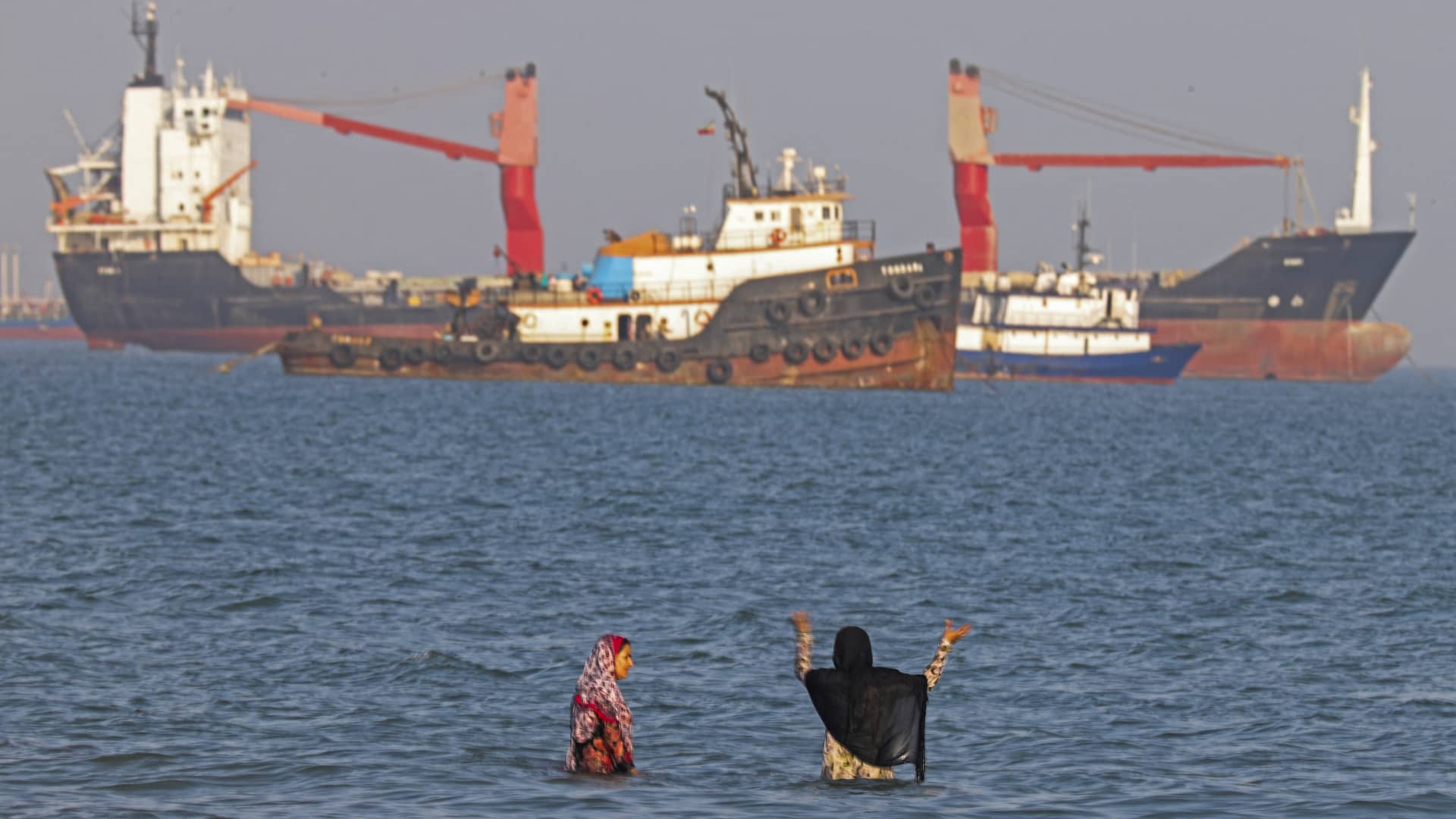

Analysts at trade data firm Kpler said on Monday that if the U.S.-Iran deal is implemented without major setbacks, shipping traffic through the Strait of Hormuz could increase to nearly 50% of pre-war levels within a month.
The U.S. and Iranian governments are expected to sign a deal in Switzerland on Friday to open Hormuz and lift the U.S. naval blockade of Iran.
Kpler analysts said in a research note that the number of ships sailing through Hormuz could rise to 40 per day, up from 100 per day before the US and Israel attacked Iran on February 28. Until Iran began attacking tankers in early March, about 20% of the world’s oil supplies passed through the strait.
Analysts said a fully loaded ship stranded in the Persian Gulf would pass through Hormuz first. There are an estimated 118 tankers in the Gulf, which could depart within 15 days.
Analysts said the surge in stranded ships leaving the region was a temporary event and should not be interpreted as a permanent increase in traffic. A key issue is how many ships will enter the Gulf once the backlog is cleared.

Matt Wright, chief cargo analyst at Kpler, said a large number of ships were waiting for the opening of Hormuz in the Gulf of Oman and the Arabian Sea. Wright said tankers entering the Persian Gulf could rise to 12 per day in the first 30 days of the U.S.-Iran deal, about 50% of pre-war levels.
Wright said more cautious shippers will wait to see how the first shipments go. Inspectors said they would consider re-entering the Gulf if the ship was not attacked and there were no mines. He added that once a ship begins sailing, insurance premiums begin to fall.
oil tanker company front line CEO Lars Barstad told CNBC that he believes “once the deal is signed, the vessels will start moving very quickly.” Frontline operates 80 ships around the world, with five tankers stranded in the Gulf.
But there are also risks that could jeopardize Holmes’ reopening. The United States and Iran appear to have different interpretations of the content of the agreement.
Iranian state media announced that ships could transit through Hormuz for 60 days without paying tolls. After that period, Iran and Oman will control the strait, state news agency Tasnim said.
However, Vice President J.D. Vance told CNBC on Monday that the United States expects Hormuz toll-free calls to continue in the long term.
It is unclear how big a threat the mines pose to ships passing through Hormuz. Although President Donald Trump has downplayed the issue, Secretary of State Marco Rubio told Congress earlier this month that Iran is digging landmines in much of the strait.
Global shipping industry body BIMCO warned on Monday that “the mine threat in the region remains a concern”. It warned ships that the security situation remained at high risk.
“Due to the lack of details and the overly optimistic reassurances we have provided so far, we believe that the security situation for the shipping industry remains precarious and it remains extremely dangerous for ships to begin transiting at this time,” said Jacob Larsen, Vimco’s chief safety and security officer.
