

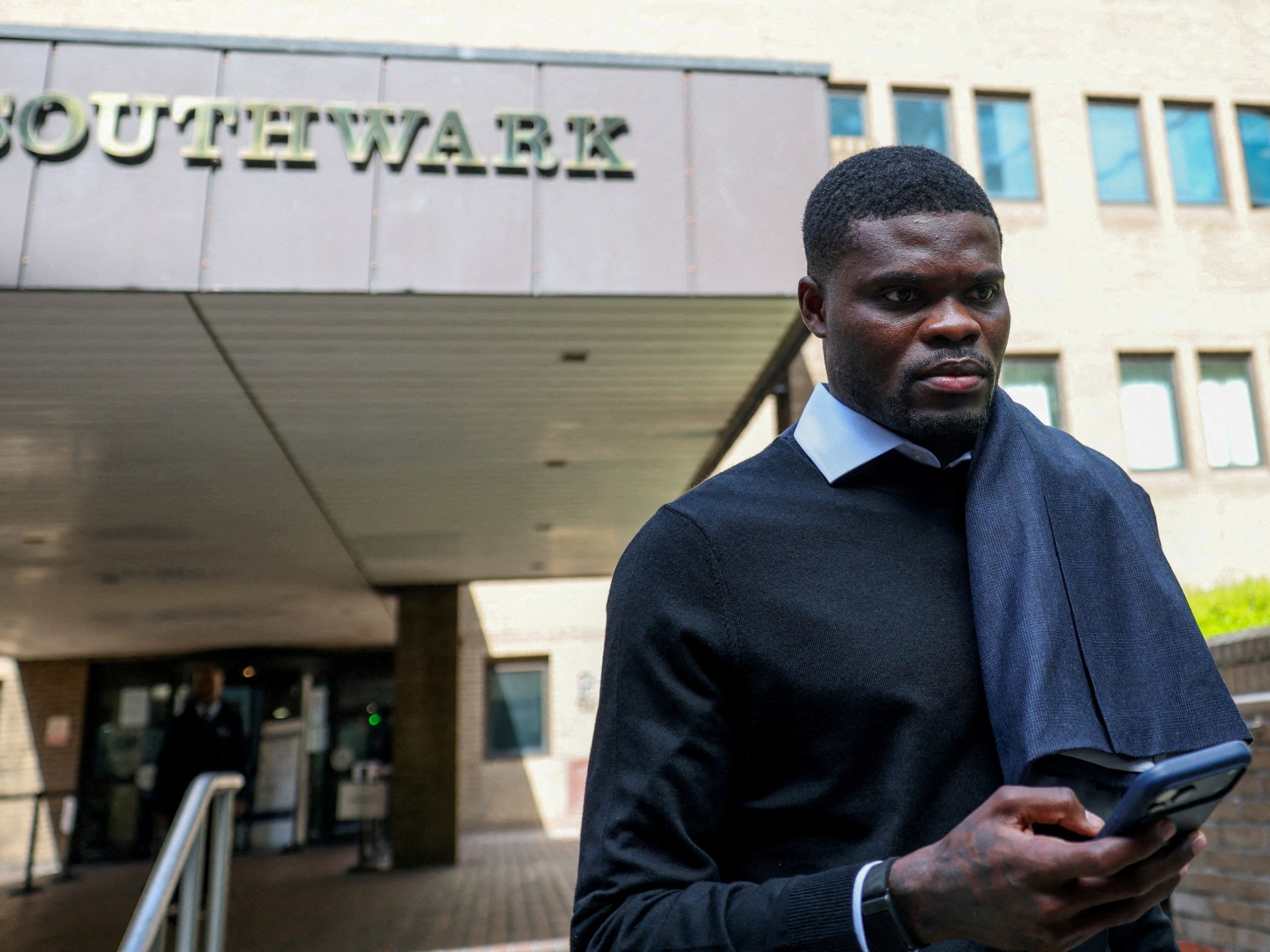

Thomas Partey will not be able to enter Canada for Ghana’s World Cup opener against Panama on Wednesday.
Published June 16, 2026
A Canadian court has dismissed the appeal of Ghanaian midfielder Thomas Partey after he was refused entry to the World Cup match against Panama.
The Canadian government last week refused to grant Partey, 33, a visa, prompting his lawyer to launch a last-minute appeal in federal court in Ottawa, which he lost on Tuesday.
The Black Stars will face Panama in a Group L match in Toronto on Wednesday.
In dismissing the appeal, Justice Roger Lafreniere wrote that the parties had sought an “unusual compulsory interlocutory relief” that would require Canada to “set aside legally recognized findings of inadmissibility and facilitate entry for certain events.”
Ahead of the verdict, Partey’s lawyer Makeda Bramwell told Reuters he would not appeal if the judge rules against him.
Former Arsenal midfielder Partey is facing rape and sexual assault charges in the UK. He denies the charges.
The U.S. government granted Mr. Partey a visa, but Canadian immigration officials said that under Canadian law, a foreign national could be considered inadmissible without a foreign conviction.
A spokesperson for Immigration, Refugees and Citizenship Canada said: “An applicant may be considered inadmissible to Canada if there are reasonable grounds to believe that the applicant has engaged in conduct that would result in inadmissibility.”
Ghana coach Carlos Queiroz said he was ready to play without Partey.
“Our plans are settled,” Queiroz told a news conference before the court’s decision was announced, adding that he would not comment on Partey, who faces rape and sexual assault charges in Britain. The Villarreal midfielder denies the charges.
“It is not my job to add further comments on nonsense issues,” Queiroz said. “My job is to play with the cards that are in front of me.”
Partey’s visa denial has sparked anger and frustration among fans of the national team throughout Ghana and the Ghanaian diaspora in Canada.
Akua Mensah, 45, a Canadian with roots in Ghana, said the Canadian government’s decision was disappointing.
