

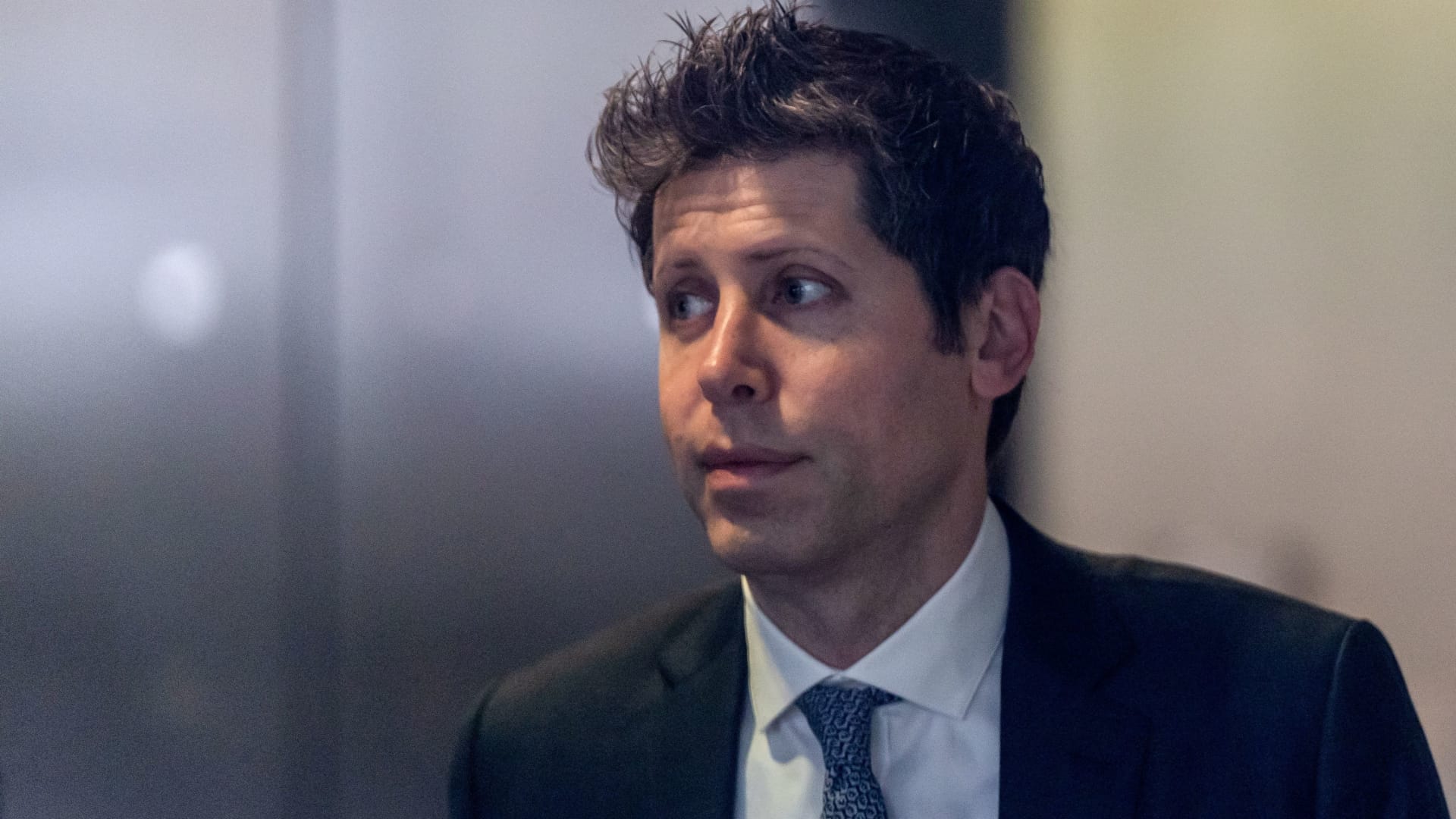
On May 12, 2026, OpenAI CEO Sam Altman arrived at the federal court in Oakland, California, on the day of the trial of Elon Musk’s lawsuit regarding OpenAI’s commercialization.
Carlos Barria | Reuters
Florida Attorney General James Usmeyer filed a lawsuit Monday against OpenAI and its CEO Sam Altman, alleging that the artificial intelligence company intentionally released unsafe products that could harm users.
The 83-page complaint alleges that OpenAI’s ChatGPT chatbot aided and abetted “fatal assaults” in mass shootings, drove vulnerable people to suicide, undermined users’ critical thinking skills, and addicted minors to tools that “feigned human sympathy.”
“This series of harms was caused by defendants’ relentless pursuit of winning the AI arms race and amassing vast amounts of wealth, despite knowing the dangers of ChatGPT,” the filing states.
In the lawsuit, Usmayer’s office seeks to hold Altman personally liable for harm to Floridians due to his actions as CEO, including his “complete disregard for the risks to human life,” according to the complaint. It also seeks to force OpenAI to comply with its obligations under the Florida Deception and Unfair Trade Practices Act.
OpenAI did not immediately respond to CNBC’s request for comment.
Florida is the first state in the U.S. to file a lawsuit against OpenAI, and Usmayer said at a press conference Monday that he expects other states to follow suit.
He said he filed the civil lawsuit because OpenAI and Altman were “putting children at risk and deceiving parents into believing this application is safe to use.”
“People have been hurt, parents have been deceived, and they will have to pay the price,” Usmayer said.
Usmayer previously launched a criminal investigation into OpenAI in April to determine whether the company was responsible for the 2025 mass shooting at Florida State University that killed two people.
The investigation, conducted after prosecutors reviewed chat logs between the shooter and ChatGPT, will continue, Usmayer said Monday.
Usmayer’s lawsuit is the latest example of OpenAI’s growing legal problems.
The company is being sued by seven families of victims of the Tumbler Ridge shooting in Canada in February. The families claim that the attackers used OpenAI’s ChatGPT chatbot to plan the attack, but that the company did nothing to stop it.
Altman apologized to the Tumbler Ridge community in an April letter, writing that “no one should have to endure a tragedy like this.”
OpenAI also faces a number of wrongful death lawsuits alleging that ChatGPT drove users into harmful delusions and, in some cases, suicide. In August, the company said it was “continuing to improve the way our models recognize and respond to signs of mental and emotional distress” and introduced several new safety features, including parental controls.
OpenAI was embroiled in another high-profile lawsuit last month with Elon Musk, who sued the company, Altman, and OpenAI President Greg Brockman, alleging that they backed away from their commitment to remain a nonprofit organization and conduct philanthropic work.
After a three-week trial that featured dramatic testimony from Musk, Altman and Brockman, an advisory jury deliberated and decided that it would take too long for Musk to file a lawsuit. The verdict was immediately adopted by Judge Yvonne Gonzalez Rogers in federal court in Oakland, California.
In a post on social network X, Musk called the decision a “calendar technicality.”
If you are having suicidal thoughts or are in distress, please contact the Suicide & Crisis Lifeline (988) for support and assistance from a trained counselor.
WATCH: OpenAI’s anticipated IPO presents an opportunity for retail investors: Redpoint’s Brescia

