

Beijing —
The man who crashed a plane into Beijing’s tallest skyscraper last week was a 66-year-old local resident who had expressed suicidal thoughts, Chinese authorities said Thursday, amid intense speculation about the pilot’s identity and motives.
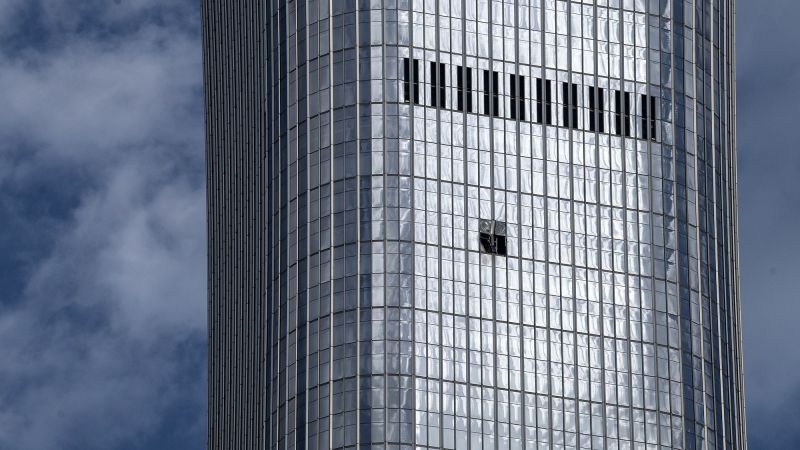
The crash occurred Friday night, when the small plane bypassed the world’s toughest aviation regulations and crashed into the 109-story China Communications Tower that dominates the capital’s skyline, killing the pilot and injuring 13 others.
The incident was heavily censored in China, and it took authorities almost a day to acknowledge the crash.
On Thursday, authorities released new details about the person flying the plane.
The pilot, identified only by his surname Liu, took off from a general aviation airport in northeast Beijing on Friday afternoon, initially flying with a companion in a two-seater Sunward SA60L Aurora passenger plane, according to a statement from the city’s Chaoyang district government.

Liu, who received his first pilot’s license in 2021, then deviated from the designated flight path on a solo flight, lost contact with the airport and crashed into the 528-metre (1,732-foot) China Telecommunications Tower in the capital’s central business district, which is home to major companies and foreign embassies.
Officials said Liu was a divorced self-employed man who lived alone and suffered from chronic insomnia and anxiety, citing multiple entries in his diary about “ending his life.” The statement said investigators concluded that the incident was an incident that endangered public safety and was caused by personal reasons.
None of the 13 injured had life-threatening injuries, and one has already been discharged from the hospital.
Friday’s shocking crash sent shards of glass and aircraft debris onto the road hundreds of feet below as office workers departed for the weekend, sparking panic in the heart of one of the world’s most fortified cities and raising questions about Beijing’s air defense system.

After a while, it was as if nothing had happened.
All references to the incident and its shocking footage were swiftly removed from Chinese social media. State media, including state broadcaster CCTV, whose headquarters are across the road from the accident scene, initially made no mention of the incident.
