


Donald Trump believes economic pain will do what weeks of air strikes could not. This means breaking Iran’s will and forcing it to make concessions. But some experts say this may be a misreading of Iran’s standard of suffering.
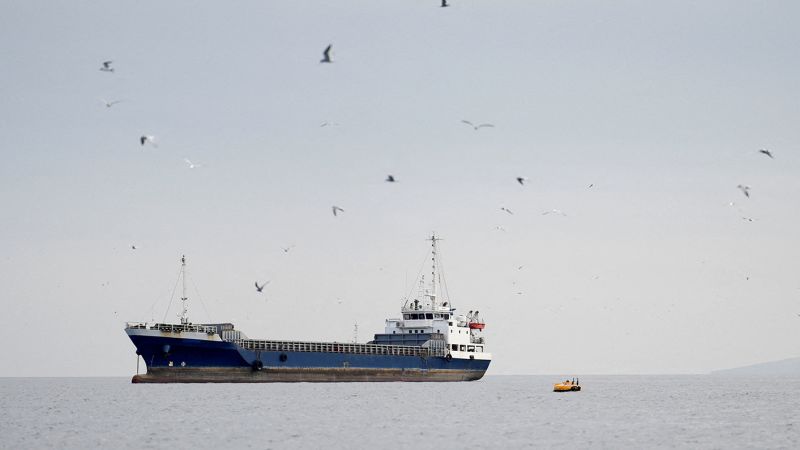
The blockade began at 10 a.m. ET yesterday after weekend peace talks in Pakistan ended without a breakthrough. Iran’s Islamic Revolutionary Guards Corps (IRGC) has vowed to retaliate, and Iranian officials have warned of ripple effects on the global economy, including at the expense of American consumers.
“Iran has several options to offset the economic impact of the U.S. economic blockade, but the overall impact is uncertain,” Hasan al-Hasan, senior fellow for Middle East policy at the Bahrain International Institute for Strategic Studies, told CNN, adding that Iran “could seek to expand oil and gas exports through alternative routes that bypass the Strait of Hormuz.”
Alhassan said this could include gas exports via pipelines to Iraq, Turkey and Armenia, as well as oil exports via the Neka oil terminal in the Caspian Sea.
“Iran could also increase fuel smuggling through its long land border with Pakistan or blend its oil with Iraqi oil to evade the blockade, as it has done in the past,” al-Hassan said.
Additionally, Iran could take a military route, such as launching attacks on U.S. naval vessels or persuading Yemen’s Houthis to try to blockade the Bab el-Mandeb Strait, al-Hassan told CNN.
In both cases, the United States is opening a new chapter in this war by blocking Iranian ports, testing Iran’s pain threshold in multiple directions.
