

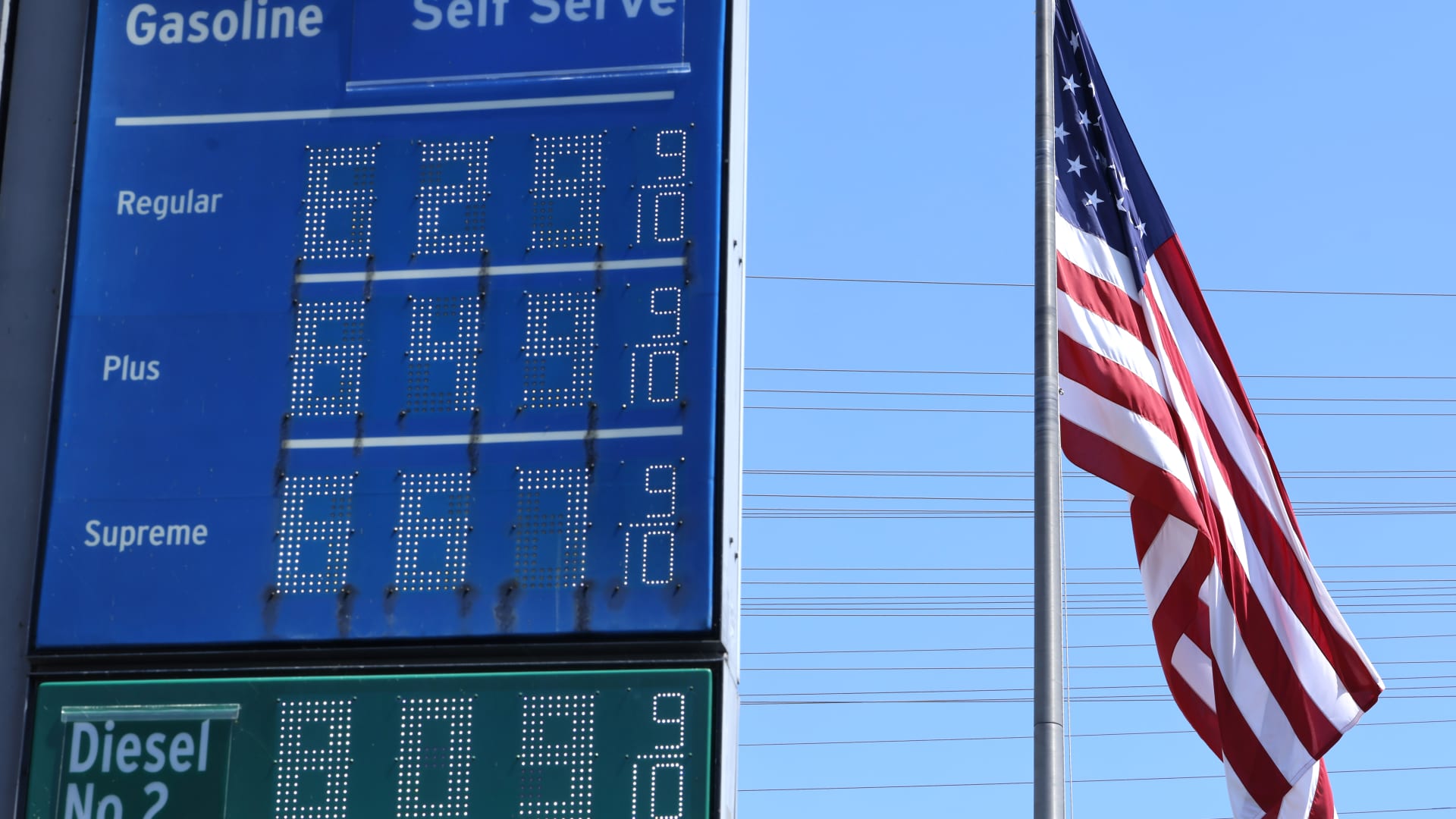

Global energy prices are rising as traffic through the Strait of Hormuz is more than 90% lower than it was before the Iranian war broke out on February 28. Domestic prices are also rising, particularly in California, although the US remains somewhat insulated.
The national average for a gallon of regular gas on Monday was $4.13, compared to $5.89 in California, according to AAA. Diesel prices in the state hit a record high of $7.75 per gallon on April 9th.
Gasoline prices in California are typically among the highest in the nation, in part due to the state’s stricter fuel requirements. But pipeline connections to the oil- and fuel-rich Gulf are also limited, meaning supplies must be sought overseas. Almost 75% of the state’s crude oil is imported, and imports also strengthen supplies of gasoline and jet fuel. Some of these products come from South Korea and India, both of which are currently suffering from inventory shortages due to the loss of oil in the Middle East. South Korea introduced fuel export restrictions in March.
“We’re concerned about supply on the West Coast,” Andy Walz, Chevron’s president of downstream, midstream and chemicals, told CNBC on S&P Global’s CERAWeek on March 25. “Asia is one of the first countries to feel the pain of the loss of oil supply in the Middle East and the Gulf, and California is used by Asia. China, South Korea and India will not send crude to California unless they compensate for shipping costs, so they will feel the pain initially on price,” he said.
“And the second stage of that crisis is that they won’t be able to get the products they want or need. In California, reliable security of our energy supply is critical to our national and economic security,” Walz added.
To learn more about California’s energy struggles, watch the video above.
