

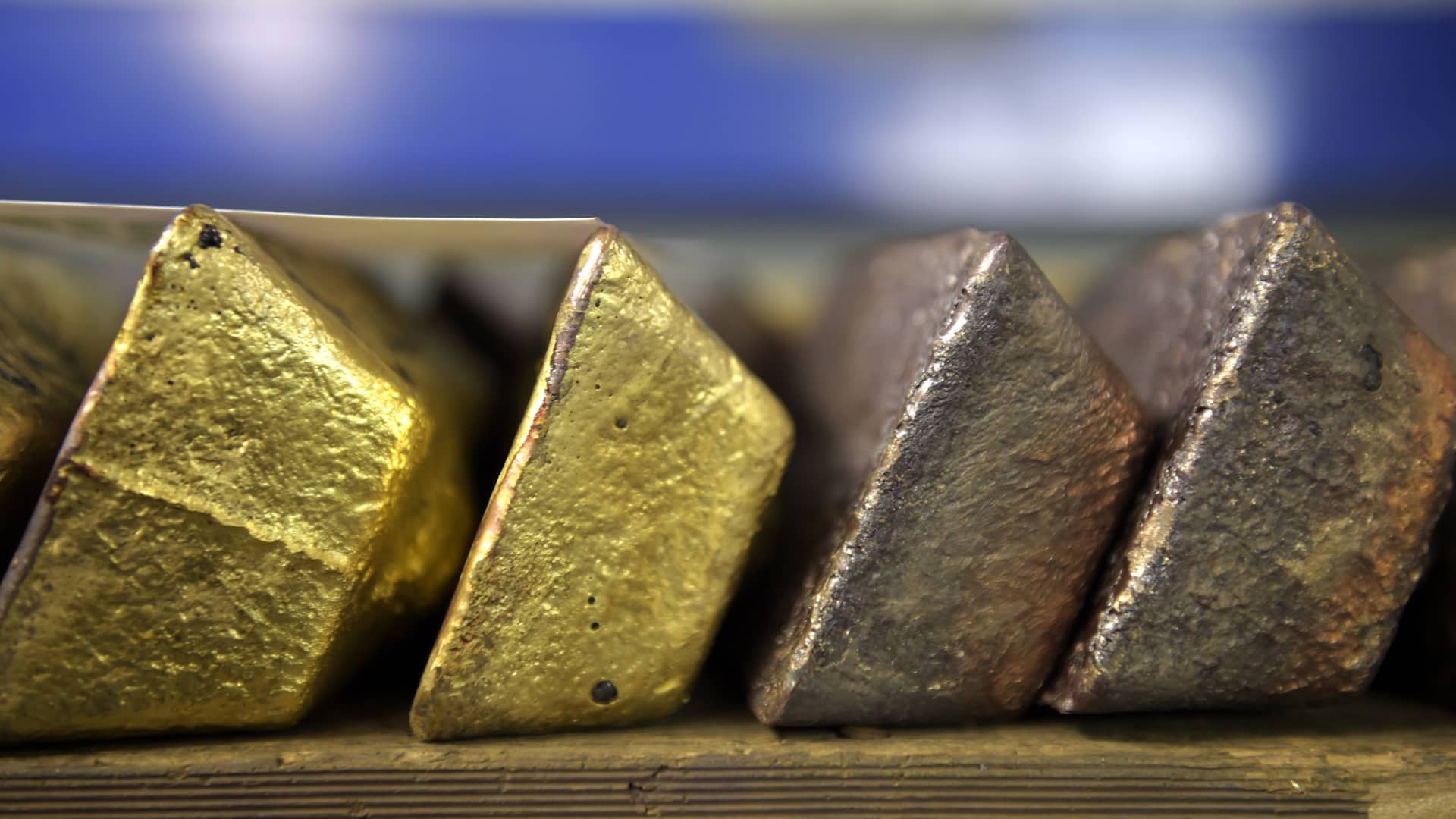
Investors who enter precious metals trading are happy with the profits, but those profits are also likely to come with a number of tax complications. On Friday, silver futures for March delivery rose above $100 an ounce, and gold futures rose to $4,989.90 an ounce. Contracts for both precious metals reached intraday highs. @GC.1 1Y Mountain Gold Futures Over the Past Year Interest in silver and gold has surged from investors seeking relative safety in turbulent times, such as the “Sell America” trade that began earlier this week. Foreign central banks are also increasing their gold reserves. As a result, retail investors are buying ETFs focused on precious metals. As of last Friday, SPDR Gold Shares (GLD) had received over $174 million in new capital, and iShares Silver Trust (SLV) had received over $30 million in new capital. But while ETFs provide retail investors with easy access to gold and silver, they can also pose problems at tax time. “There are many different ways to get involved in commodities today,” said Brian Kearns, a certified public accountant and certified financial planner with Haddam Road Advisors in Evanston, Illinois. “Everyone is unique. What ETFs do they own and how do they manage them?” Differences in Structure, Differences in Treatment The tax treatment you face for holding a precious metals ETF depends on the structure of the fund. If you own a commodity ETF that includes physical assets and sell it after holding it for more than a year, you could generate long-term capital gains of 28%. This is the same rate that applies to collectibles, including physical silver and gold bars. By comparison, if you sell other assets after a year or more, you will be subject to capital gains rates of 0%, 15%, or 20%. Here’s what metals ETF owners should consider: If you regularly trade these funds in your brokerage account, your gains will be taxed at ordinary income tax rates, which can be as high as 37%. “If you hold it for a long time, that gain has its own tax treatment,” said Tim Stephan, CPA, CFP and director of advanced planning at Robert W. Baird & Co. “This is difficult to calculate by hand, so do-it-yourselfers should be prepared for top rates of 28%.” Funds that hold physical assets may also periodically sell some of their holdings to cover expenses and redemptions. “When a fund sells its holdings, it makes a profit or a loss, and that goes back to you as an investor,” Stephens said. “Some of the trades that take place within an ETF have tax implications.” Turnovers within a fund may seem small to individual investors, but they can be onerous to those who aren’t used to seeing them, Steffen said. When tax season begins, investors may finally fill out the Form 1099 they receive from their brokerage firm. ETF Futures Contracts Commodity ETFs can also hold futures contracts as underlying assets. These funds are structured differently than funds that hold physical assets. Futures-focused ETFs can be structured as partnerships. This means that investors will receive a Schedule K-1 showing their income and loss percentages. Investors in a partnership cannot file an income tax return until they receive a Schedule K-1. Additionally, these documents may not be filed until late spring, delaying timely filing. “Tax treatment and reporting will depend on what the product actually holds, such as physical metals, futures-based structures, or commodity-related stocks, each of which can lead to different tax treatment,” said Heather Knight, vice president and national brokerage coach at Fidelity Investments. Considerations for Playing Metals If you want to get excited about precious metals, take a closer look at the makeup of the ETF you plan to use before you buy. Taxes are just one factor to keep in mind. Investors should also be aware of how a fund is structured, its underlying holdings, and whether the fund is held in a taxable or tax-deferred account. “To avoid surprises at tax time and keep your portfolio aligned with your broader tax strategy, know upfront what you own, how it’s structured, how it’s reported, and where it’s held,” Knight said. Correction: Previous version incorrectly listed weekly flows to SLV and GLD ETFs.
