

‘Chocolate fration’ is causing bitterness to chocolate lovers all over the world.
Big-name brands like Lindt and Hershey’s increased their prices by double-digit percentages last year. The main cause of inflation is the rise in cocoa prices, which hit a record high in 2024 when the crop in West Africa, which accounts for 80% of the world’s cocoa production, was hit by a drought exacerbated by climate change.
Since then, prices have fallen dramatically but are still well above where they were five years ago, and experts say market volatility is likely to continue. Singapore-based startup Prefer aims to ease the burden on consumers by producing cocoa powder without cocoa.
“Quite simply, you can create cocoa flavors and ingredients without using cocoa beans,” says Jake Barber, who co-founded the food tech company in 2022.
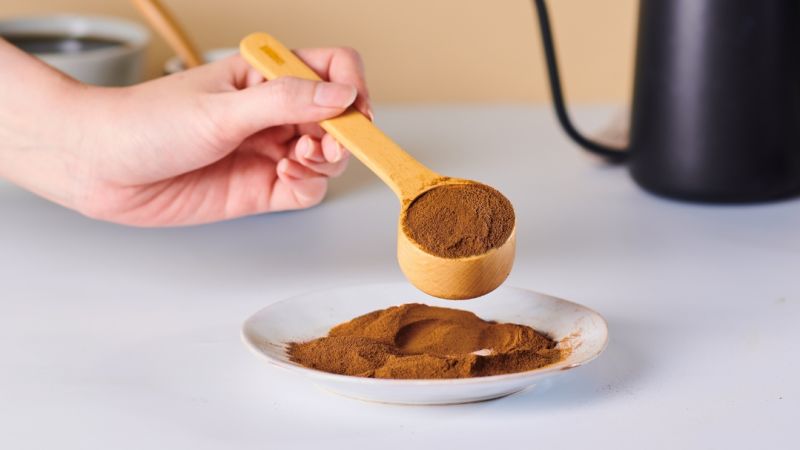
PreferChoc is produced by fermenting and roasting seeds and grains. It can be used for a variety of purposes, from drinking chocolate to baking and confectionery.
Belber hopes his company’s products, including coffee substitutes that don’t contain coffee beans, another product whose prices are soaring due to bad weather, will allow consumers to continue enjoying foods threatened by climate change.
Berber sees its main market as supplying major chocolate manufacturers to produce blends of PreferChoc and traditional cocoa powder.

“Acceptance has actually been very strong…particularly from mass-market consumers where price is very important,” Barber says. He claims that “if the content is between 30% and 50%” of PreferChoc in hybrid chocolate products, there will be no change in flavor.
Berber plans to commercially launch PreferChoc in 2026. He points to the company’s coffee, which will hit the market in 2025 and is currently available in Singapore, Vietnam and the Philippines, as showing the potential for cheaper alternatives.
“We can reduce the cost of coffee by about 50% for even the world’s largest coffee company,” Barber says. “We believe we can help chocolate makers reduce their cocoa powder costs by up to 50%.”
He added that PreferChoc also has sustainability benefits.
The production of dark chocolate and coffee has a large carbon footprint, and Berber said that Prefer’s proprietary lifecycle analysis of coffee showed that its production produces almost nine times less carbon dioxide equivalent gas emissions than traditional coffee, and Berber expects to see similar emissions reductions with its chocolate.
In some regions, cocoa production can also promote deforestation. Research has shown that in Ivory Coast and Ghana, the world’s largest producers, cocoa cultivation has reduced forest loss in protected areas by more than 37% and 13%, respectively.
Milte Gosker, managing director for Asia Pacific at the Good Food Institute (GFI), which promotes sustainable food systems globally, said producing cocoa ingredients through fermentation “has the potential to reduce some of the environmental impacts associated with growing cocoa ingredients.”
She describes the fermentation-based foods sector as “a huge opportunity to make more food with fewer natural resources.”
“Bioreactors used to produce fermentation-based foods are very space efficient,” she added. “As facilities grow larger, fermentation can produce tons of biomass every hour.”
Berber says he can’t reveal the ingredients used to make PreferChoc because they’re still in development, but he explains that they’re similar to what’s used in Prefer’s coffee: rice and chickpeas. He added that the company does not yet know whether there are any nutritional differences compared to traditional cocoa or coffee, as regulators have deemed the ingredient “not novel.”
“We’re using food system staples. The ingredients are really scalable and[using them]doesn’t change price or availability,” he says.

Other companies making chocolate alternatives that do not use cocoa beans include Germany’s Planet A Foods, which uses sunflower seeds, oats and other ingredients, and Britain’s Nucoco, which uses fava beans.
Gosker highlights the Asian market as an area of particular opportunity for fermentation-based food alternatives such as PreferChoc.
“Given the long history of traditional fermentation as a production method in a variety of Asian cuisines, we are optimistic that consumers will be drawn to products made through fermentation if they hit the mark in terms of taste, texture, price and nutrition,” she says.
“Asia’s technology hub has also served as a launchpad for many innovative limited-run products made through fermentation…” she said, adding that in 2022, Singapore became the first company to grant regulatory approval to Solar Foods, a Finnish company that feeds microorganisms with carbon dioxide, hydrogen and oxygen to produce proteins.
However, she said further government and private investment in the sector was “urgently” needed, particularly to fund research to better understand consumer perceptions of fermentation-based alternative foods and the manufacturing infrastructure needed to produce them.
“Neither precision fermentation feedstocks nor biomass feedstocks have been deployed at scale, so we don’t yet have data to show which feedstocks and products (if any) will ultimately garner significant consumer interest,” she says.
“Scaling up production will require significantly increased investment in fermentation infrastructure in Asia Pacific,” she added. According to GFI research, existing fermentation bioreactor capacity is primarily concentrated in Europe (47%) and the United States (34%).
Prefer has raised $7 million in private and public investment but has yet to turn a profit. Berber said it is considering raising more funds this year to build a factory to expand production.
He also wants to expand into production of other ingredients facing supply chain disruptions, such as vanilla and hazelnuts.
Berber emphasizes that he wants to work with the chocolate industry, not against it. “Consumers aren’t looking for alternatives to coffee and chocolate; they’re dissatisfied with more expensive coffee and chocolate,” he says.
“The way to solve this problem and move more volume, and therefore create a bigger impact, is to create a hybrid product that tastes the same but costs less.”
