

On April 16, 2026, Chairman of the Joint Chiefs of Staff Dan Cain speaks at a press conference regarding the Iran war with a map showing the blockade line of the Strait of Hormuz in the background at the Pentagon in Washington, DC, United States.
Nathan Howard | Reuters
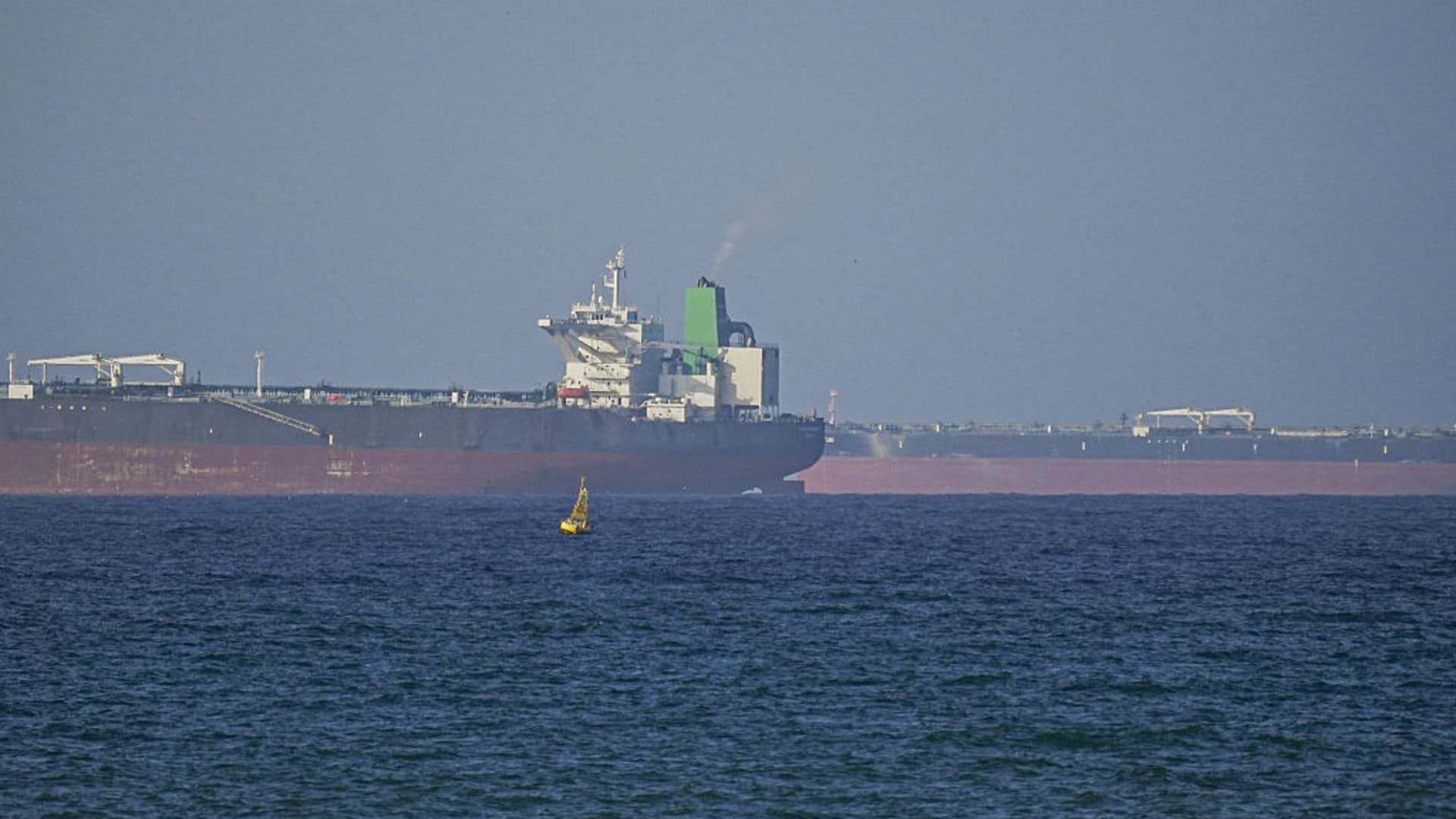
Oil tanker traffic through the Strait of Hormuz came to a near halt on Thursday as tensions between the United States and Iran remained high.
According to LSEG data, only two vessels were observed passing through the sea lane. According to data, the tanker “Race” left the strait towards India and entered the Gulf of Oman. The cargo ship Neshat had crossed the strait and appeared to be bound for Iran.
The US blockade of Iranian ports began on Monday. According to U.S. Central Command, the Navy has forced 14 ships to change course as the operation enters its fourth day. Meanwhile, Iran has threatened to retaliate by cutting off traffic in the Persian Gulf, Gulf of Oman, and Red Sea.
Earlier this week, at least two large crude oil carriers, RHN and Alicia, crossed the strait into the Persian Gulf. VLCCs are huge tankers that can transport approximately 2 million barrels of oil.
Tanker traffic through the strait plummeted during the war, causing the largest oil supply disruption in history. Before the war, about 20% of the world’s oil supply passed through sea lanes.
