

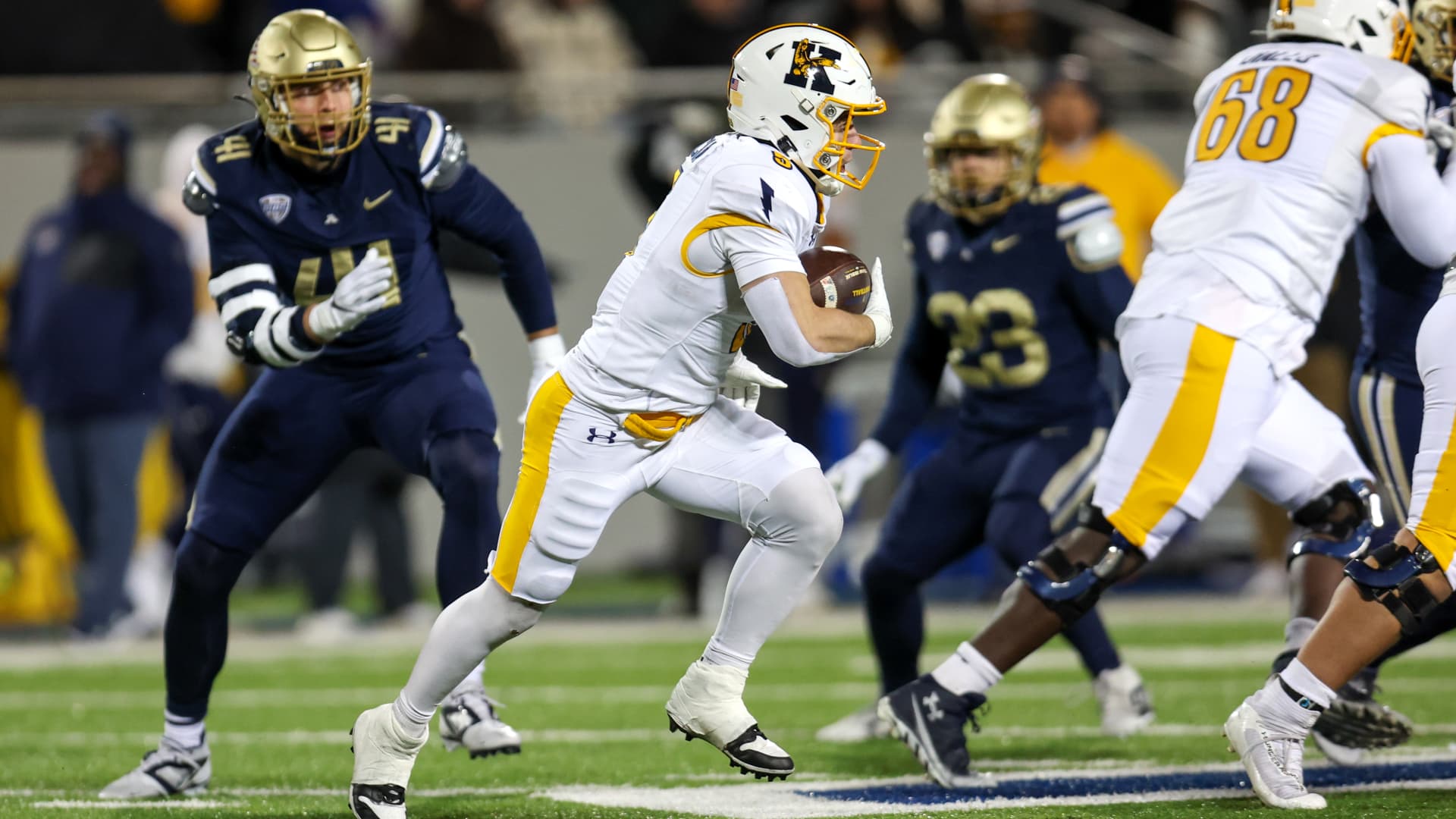
According to NCAA data, less than 2% of NCAA athletes are drafted into professional sports.
icon icon getty images
A bipartisan committee on Capitol Hill scrutinized the role of private equity in youth sports Tuesday, a potential sign that Congress may be inching closer to intervening.
The hearing, titled “The Field of Fees: The Role of Private Equity in the Commercialization of America’s Youth Sports,” came as Wall Street continues to expand its presence in youth sports. Lawmakers from both parties are expressing alarm at this trend, while also seeking solutions to avoid raising the cost of youth sports participation.
“In some markets, consolidation increases costs for families while limiting access to more affordable, community-based options,” said Rep. Kevin Kiley, chairman of the House Early Childhood, Elementary and Secondary Education Subcommittee. “The result is clear: the participation gap widens.”
“The simple reality is that too many children are being priced out. It’s not that they lack talent or determination, it’s that their families simply can’t bear the increased costs,” said Kiley, an independent from California who caucuses with Republicans.
Kiley chaired the hearing three weeks after former New York Giants quarterback Eli Manning’s private equity firm Brand Velocity Group announced it would acquire RCX Sports, the company that manages licenses for professional sports leagues’ official youth sports programs. Kiley said that while some private capital is helping expand access, the committee is concerned about “certain practices that reduce competition, drive up costs, and limit access for families.”
“Simply put, we need to encourage models that expand opportunity while discouraging practices that leave parents with fewer choices and higher bills,” Kiley said.
The Aspen Institute estimates that youth sports is now a $40 billion industry in the United States. Private equity has been in the spotlight, with countless large-scale acquisitions taking place in recent years. In 2023, BPEA EQT, then a private equity firm, acquired sports education institution IMG Academy for $1.25 billion. KKR acquired apparel maker Varsity Brands in 2024 for $4.75 billion.
Rep. Suzanne Bonamici, D-Ore., also expressed concern about the increased investment.
“Youth sports are just the latest example of how unchecked market power can make everyday opportunities less accessible to families,” Bonamici said.
He suggested bridging the gap by considering greater transparency around fees and business practices, stronger antitrust enforcement, and increased public investment in community recreation and school-based sports programs.
Rep. Burgess Owens (R-Utah), a former professional football player, expressed concern that private equity investments in youth sports could be focused on investor profits rather than youth opportunities.
“Investing is important, but only when the mission is about the kids, not the investors,” Owens said. “We’re seeing too much. If we don’t get this right, we’re going to lose the soul of our nation.”
Owens said some investors are “investing the right way,” but said Congress needs to keep out the “bad guys.”
Brian Finnerty, founder of High Velocity Sports Group and a witness at the hearing, said the private equity investment helped create a “community sports center focused first and foremost on serving local families.”
“I have seen responsible investing strengthen communities by expanding access, improving facilities and creating opportunities for children,” he said. “I’ve also seen business models that prioritize economic exploitation over the development of children…I don’t think the question is whether private capital belongs in youth sports. I think the question is whether private capital remains accountable to the mission of youth sports.”
