

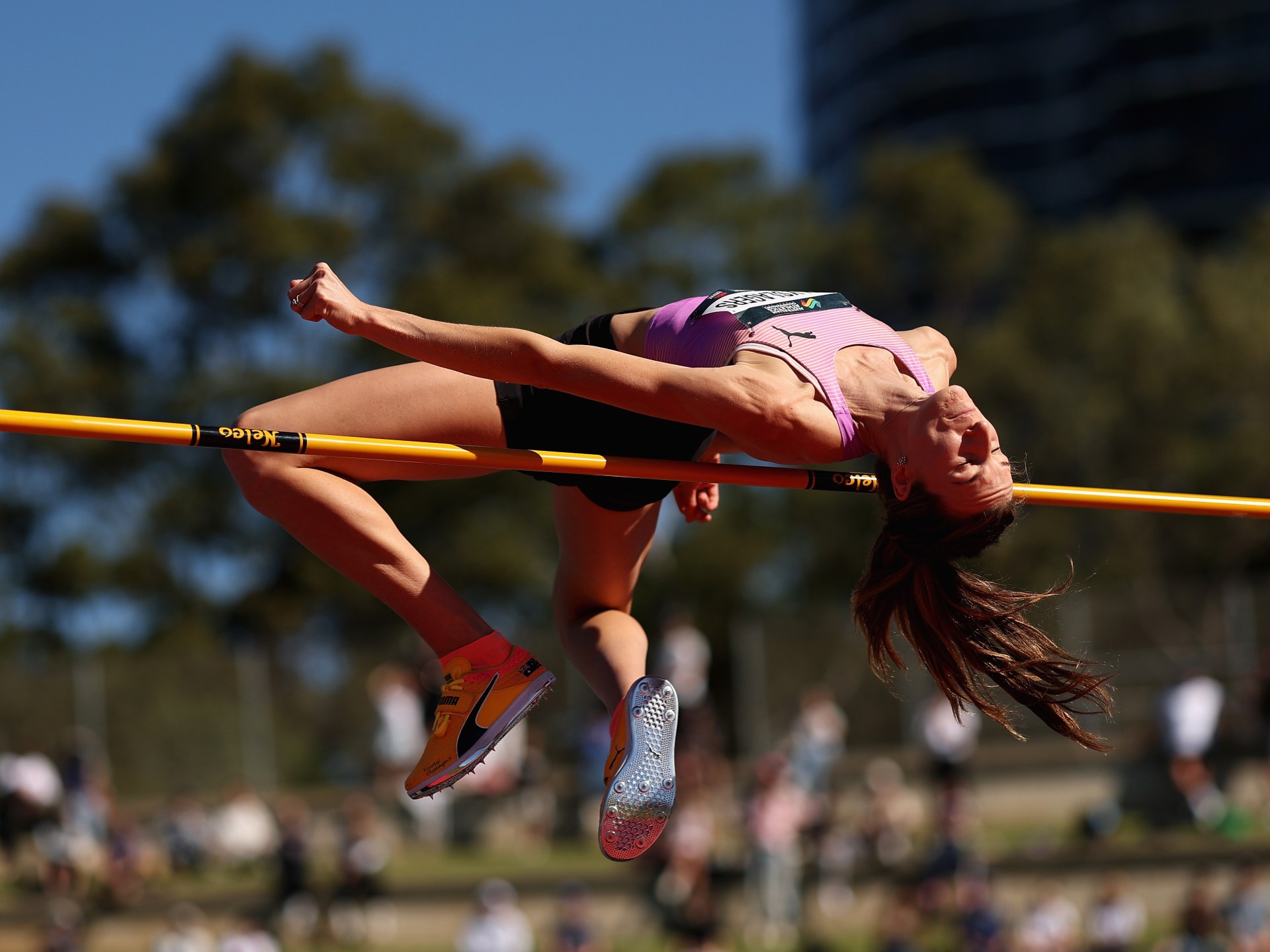
These guidelines are based on feedback from athletes that certain camera shots can cause discomfort or distraction.
The European Athletics Federation and the European Broadcasting Union (EBU) have introduced guidelines aimed at preventing the sexualization of female athletes through the use of camera angles and replays.
European Athletics President Dobromir Karamarinov said on Wednesday: “The development of filming guidelines is an important step towards eliminating harmful depictions of women in sport, while maintaining the highest levels of storytelling and technical excellence.”
The guidelines, titled “Raise the Standard,” follow feedback from athletes that certain camera shots can take attention away from performance and cause discomfort and distraction.
Broadcasters are advised to avoid long close-up shots of specific body parts, low-angle views taken from behind or below the athlete, and slow-motion replays that do not aid in understanding sports movements.
The guidelines aim to ensure coverage continues to focus on athletic performance and reduce the risk of footage being taken out of context and inappropriately shared online.
The organizations also encouraged production teams to use wider camera angles to capture the full range of athletes’ movements and performances.
Former world long jump champion Ivana Spanovic said broadcasters need to use innovative camera angles, such as aerial shots, and educational graphics to explain different aspects of athletic performance.
“Our sport offers many opportunities to showcase the beauty of technique and movement, such as showing slow-motion shots that emphasize technical precision, such as the moment of take-off or the perfect stride,” the Serbian added.
The guidelines share animated visuals of high jump, pole vault, long jump, triple jump, and running events shot at “plus” and “minus” angles, along with accompanying explanations, each marked with a checkmark or a cross.


For example, in the high jump, “low camera angles below the athletes are likely to produce dangerous images,” the guidelines state, adding that “slow motion replays of athletes clearing the bar may reduce technical acumen and produce dangerous images.”
The guidelines also explain that although certain shots are zoomed in, replays provide nothing to commentators or viewers.
They also discussed how to effectively and respectfully capture athletes’ emotions, celebrations, and interactions with coaches.
EBU Sport Executive Director Glenn Killane said: “The sexualization of female athletes through camera angle choices and editing choices continues to be a significant concern in many sports broadcasts.”
“Hover shots of bodies, low-angle cameras capturing explicit scenes, and excessive slow-motion replays with no technical or storytelling purpose are among the problems observed in media coverage of women’s track and field events today.
“These choices have serious implications. They risk shaping viewer perceptions and perpetuating harmful stereotypes by distracting from the incredible achievements and technical skills of female athletes,” he added.
The document is available to all broadcasters and “we hope that these guidelines feel less like a set of restrictions and more like the start of a conversation between broadcasters, directors, camera operators and athletes that we can continue together.”
