

Published July 2, 2026
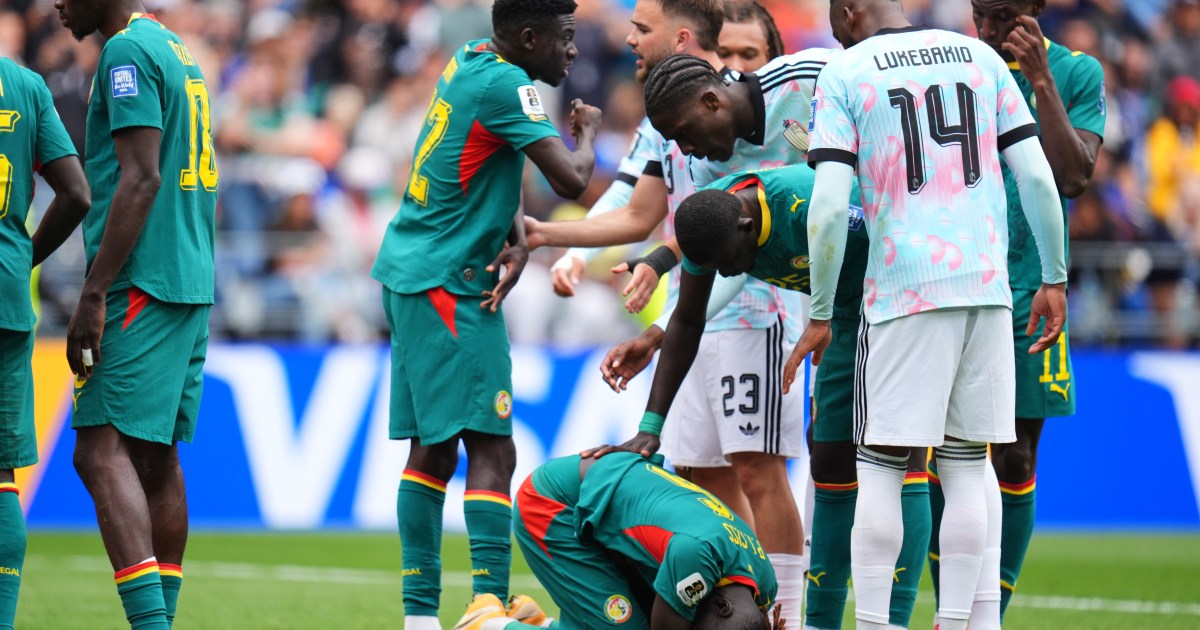
The penalty awarded to the Senegal national team in the final minute of Wednesday’s game against Belgium caused a huge controversy, leading to the Senegal national team being eliminated from the last 32 of the 2026 World Cup. It was a tough turn for the Teranga Lions, who went from leading 2-0 to losing 3-2.
Honduran referee Said Martínez awarded a penalty after the second period of extra time following a VAR review after Senegal’s Lamine Camara challenged Belgian captain Youri Tielemans, leveling the score at 2-2 and sending the match to penalties.
The Archivo VAR platform, which specializes in referee decision analysis, announced that VAR had confirmed that Tielemans was the one who intervened excessively during the match and caused the contact by extending his foot in front of Kamara.
The platform, through its ‘X’ account, added that the incident did not justify VAR intervention, explaining that it was the Belgian player who forced the contact altogether and that the situation did not amount to the necessary clear error to justify the referee’s consideration of the decision.
Recommended stories
list of 4 itemsend of list
The decision sparked a wave of controversy on social media, with one fan writing: “This is 100% robbery. Senegal is being robbed. What is the penalty for this? Belgium does not deserve to experience corruption.”
Sports content creator Suniko blamed the result on “match-fixing” of the match.
“It’s match-fixing! Senegal should storm the pitch now. Leave the pitch and go home. This is match-fixing!”
Another sports fan wrote: “Sorry, this was never a penalty. Kamara went to clear the ball and it was Tielemans who got in the way. Senegal should have lost the ball and Belgium should have been eliminated.”
Spanish sports journalist Manolo Lama commented: “They stole the African Cup of Nations from them and now they are trying to steal all the solidarity with Senegal at the World Cup as well.”

Egyptian journalist Mohamed Saeed linked the incident to what happened in the 2025 African Cup of Nations final against Morocco, writing: “You can feel that the penalty awarded against Senegal in the last seconds was a harsh lesson and a difficult test. After the scene in the African Cup of Nations final, I think this scene could have been repeated if there had not been a change in the rules regarding withdrawals.”
Another sports fan, Fares Ahmed, wrote that soccer “teaches lessons” and the result brought back memories of Senegal in the Morocco tournament.
“They took advantage of the tournament’s vulnerable position and the organizers’ need to make it a success and used it to exert pressure,” Ahmed wrote. “Today’s game against Belgium was a repeat of almost the same scene: a penalty in the final minute, an appeal and a lack of confidence in the decision, but this time there was no threat of withdrawal, because in a tournament of the size of the World Cup you can’t risk a penalty like that.”
One follower drew a connection between the two tournaments, writing about “X”: “When there was a clear penalty in the Morocco final, they rebelled against the decision and tarnished the reputation of African football, simply because the competition was in Morocco. But when they were given an unclear penalty that eliminated them from the World Cup, they remained silent, because this time it was the West.”

After a dramatic penalty was awarded, Tielemans came forward and took the penalty, scoring Belgium’s third goal and capping off an unexpected comeback that eliminated the Lions of Teranga.
But back on the pitch, Senegal played for 85 minutes. The African team maintained a two-point lead and almost secured a place in the World Cup’s last 16.
Within five minutes it fell apart and the players felt it.
“We were at the center of writing a beautiful page in the history of world football,” said defender Krepin Diatta. “And we have to accept that we failed in our mission.”
Senegalese national team midfielder Habib Diarra spoke. “The first half was good, but it wasn’t enough. The game lasts 90 minutes and we are beaten. It’s very tough. I don’t know what to say. When you’re on the pitch, you have to give your all and we didn’t do that. We only have ourselves to blame.”
