

Database provider ClickHouse’s annual revenue run rate exceeded $250 million, triple its business last year, co-founder and president of products and technology Yury Izrailevsky told TechCrunch. Isralewski expects sales to reach high nine digits by the end of the year.
ClickHouse was valued at $15 billion in January following a $400 million Series D funding round led by Dragoneer Investment Group. The latest valuation implies a significant multiple of more than 60 times annual earnings.
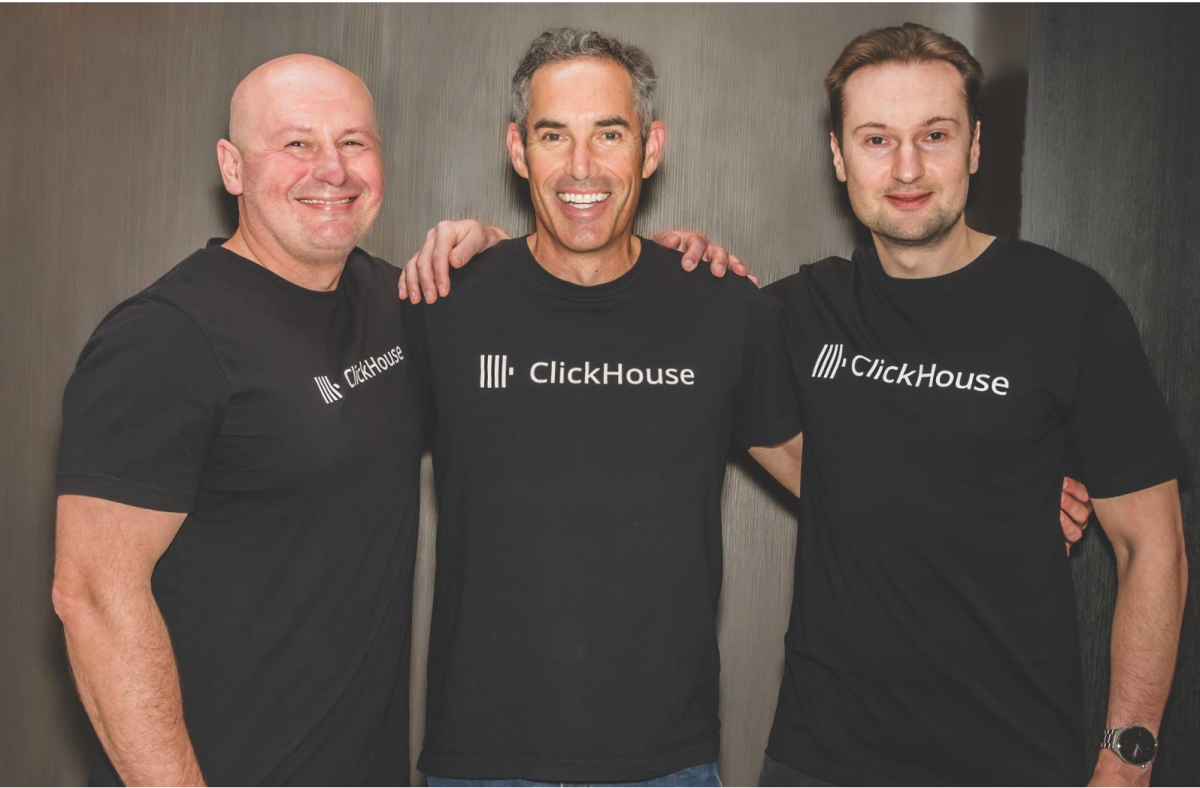
Izrailevsky (pictured left) said the less-than-five-year-old company could go for an IPO within the next few years due to its rapid revenue growth and premium valuation. ClickHouse joins a small but growing list of tech startups hinting at plans to go public, as SpaceX’s historic June debut is expected to widen the IPO window, followed by long-awaited listings by OpenAI and Anthropic later this year.
Last fall, the startup hired Jimmy Sexton, a former investor relations officer at Snowflake, one of ClickHouse’s main competitors, as chief financial officer. Bringing in a CFO is often seen as a sign that a company is preparing for the public markets.
The company has already acquired six startups, including Langfuse, which helps developers track and evaluate the performance of AI agents. Mr. Izrailevsky suggested that ClickHouse plans to continue its acquisitions, aiming to acquire startups (usually open source) that are “relatively young but exhibit very promising technologies” that complement the company’s core product suite.
The technology behind ClickHouse was originally developed within Russian search giant Yandex 17 years ago, but was spun out as an independent startup in 2021.
ClickHouse has over 4,000 customers, including Anthropic, Meta, Capital One, and Decagon.
The startup’s open-source database is designed to handle the large datasets needed by AI agents. ClickHouse makes money by selling managed cloud services. Izrailevsky argued that the commercial product will ultimately cost customers less than self-maintaining an open source version. It’s “a little counterintuitive, but it’s also a huge tailwind for us,” he says.
If you buy through links in our articles, we may earn a small commission. This does not affect editorial independence.
