

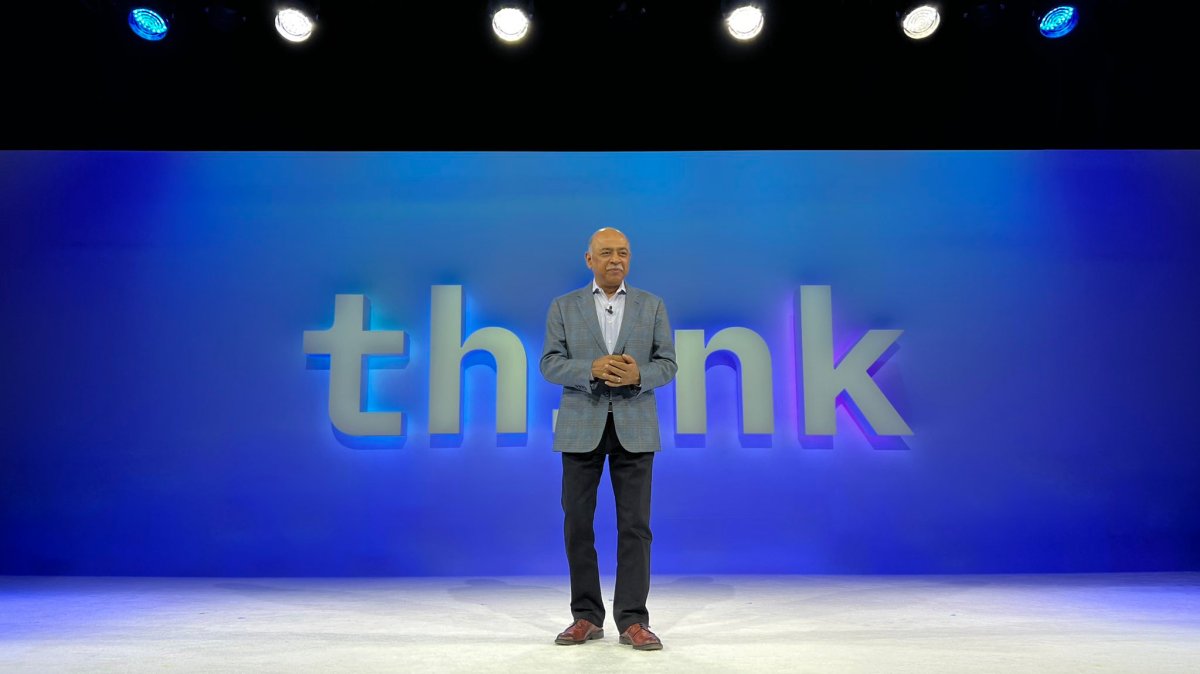
On Wednesday, IBM officially reported its earnings, and the news was just as bad as everyone expected.
The 115-year-old company still generates huge amounts of cash, with sales of $17.2 billion, gross profit of $9.9 billion, profit margins of about 58%, and net income of $2.2 billion for the quarter, but its results were well below Wall Street expectations.
It was a failure so bad that IBM CEO Arvind Krishna and the board took the unprecedented step of warning investors in advance and tipping everyone off that profits were “worse than we expected.”
He published a “letter to investors” last week, sharing preliminary results. It warned that earnings in its most important “infrastructure” division were the worst and said profit margins would also take a hit. The company’s stock price instantly plummeted 25%, the largest single-day drop ever. Until then, the stock had performed well under Mr. Krishna’s six years of leadership, boosted by the AI data center boom.
IBM also lowered its full-year growth forecast on Wednesday, meaning this terrible quarter will affect the rest of the year. Who is the culprit? IBM’s cash cow mainframe business fell 42%.
As CFO Jim Kavanaugh explained on his quarterly call with investors, this is a cascading problem because IBM generates $3 in software revenue for every $1 of mainframe hardware it sells.
But the CEO and CFO insisted on the phone that this was temporary and that everything would be better soon.
What happened, they said, was that “dozens” of customers who had planned to purchase new mainframes during the quarter chose not to do so. It may not sound like there are that many customers, but mainframes are systems that cost anywhere from hundreds of thousands of dollars to millions of dollars, and maintenance contracts and software add up to millions more.
The same AI boom that lifted IBM’s ship also sank it.
Instead of purchasing new mainframes, these customers purchased other hardware, Krishna explained. We were facing astronomical 15% to 30% cost increases for data center equipment and PCs.
“When they were faced with that problem, they decided to shift their budget to areas where such extreme prices are occurring,” Krishna said.
Enterprise hardware makers such as Dell and HP have warned that the boom in AI construction is forcing them to raise prices as the cost of components such as memory increases. Apple says the same thing.
But Krishna promised that those customers will still eventually buy new mainframes with new software contracts. In fact, some companies have already done so this quarter, he said. “We don’t see any evidence that clients are moving away from mainframes,” he said.
We’ll have to wait and see. But the technology industry has been predicting the end of the mainframe for decades. Maybe even AI can’t kill it.
If you buy through links in our articles, we may earn a small commission. This does not affect editorial independence.
