

LGBTQ+ consumers are increasingly shifting their loyalty to brands based on a company’s diversity, equity, and inclusion policies, according to a new study from the Human Rights Campaign Foundation.
The survey results released Wednesday found that nearly 72% of LGBTQ+ consumers say they have purchased fewer products from companies they perceive as having a “decreased commitment to diversity and inclusion.” Additionally, nearly 70% said they have at least sometimes refused to buy from such companies.
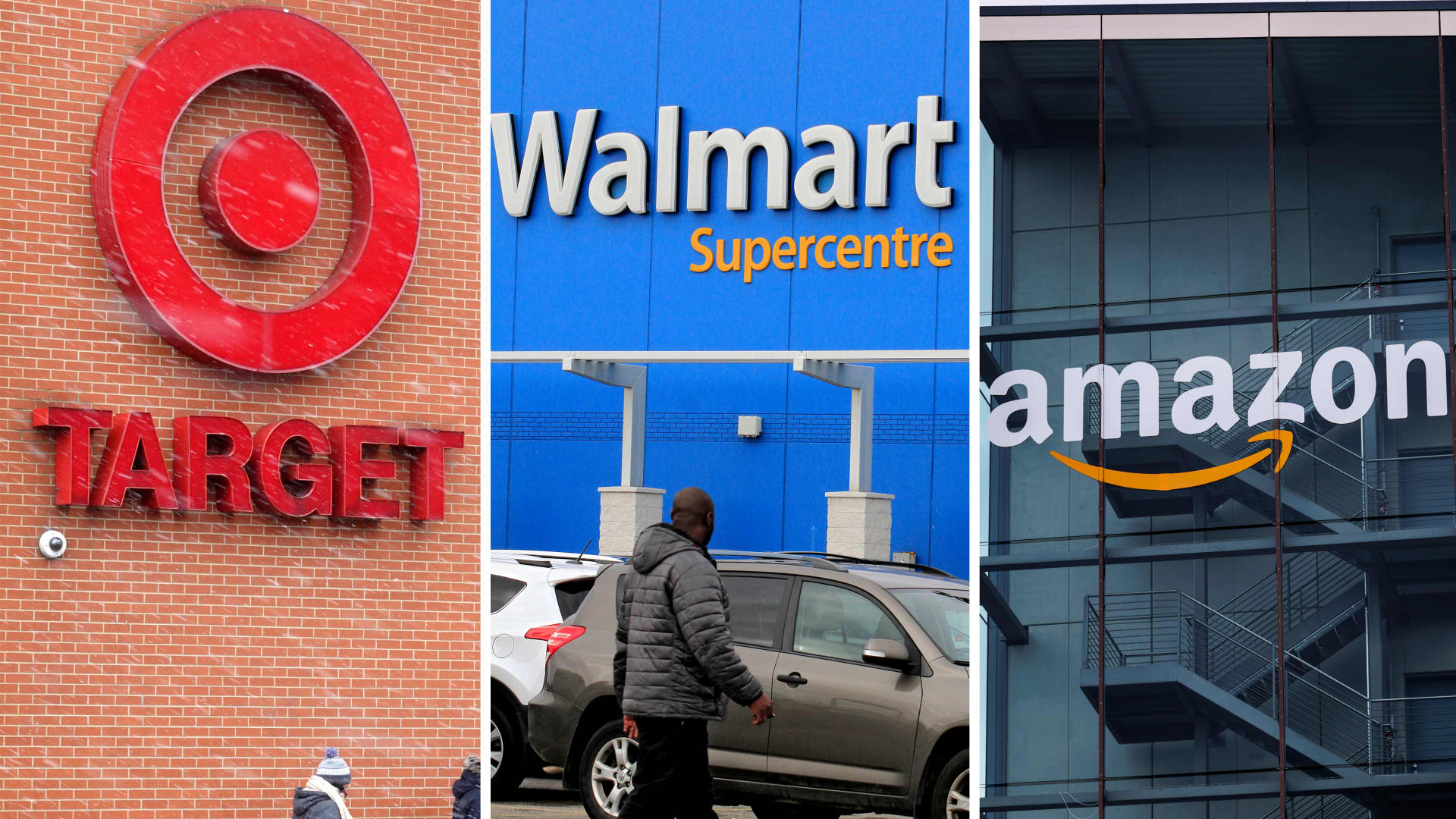
The five companies that respondents said most frequently engaged in spending cuts are: target, walmart, AmazonChick-Fil-A, home depot.
Meanwhile, HRC’s research also found that nearly 70% of LGBTQ+ consumers would reward companies they see as supporting diversity and inclusion. costco, appleBen & Jerry’s, delta airlines and kroger were the five companies most frequently cited for increased spending.
“Consumers don’t expect perfection from brands; they want transparency and clarity about where they stand,” said Jonathan Lovitz, a spokesperson for the Human Rights Campaign.
“There’s a gap that needs to be bridged between your perception and what you’re doing inside,” he says.
The HRC survey was conducted online between September 29 and October 27 among approximately 15,000 U.S. adults, including approximately 10,000 LGBTQ+ respondents and 5,000 non-LGBTQ+ respondents.
The survey comes as a growing number of companies are scaling back their diversity efforts, changing their public DEI programs and ending their participation in the organization’s annual Corporate Equality Index. Earlier this year, HRC reported a sharp decline in participation in the index, a benchmark that has long measured workplace policies and benefits for LGBTQ+ employees. Participating Fortune 500 companies decreased by 65% from 377 in 2025 to 131 in 2026.
The National LGBT Chamber of Commerce estimates that LGBTQ+ consumers contribute more than $1.7 trillion to the U.S. economy.
In response to the investigation, Amazon told CNBC that it promotes opportunities for its employees and serves a diverse customer base.
“We continue to support and provide opportunities for our employees to grow, thrive and connect within our company and with our communities,” a company spokesperson said.
Other companies mentioned in the investigation did not immediately comment.
A customer walks past a Pride Month product display at a Target store on May 31, 2023 in San Francisco, California.
Justin Sullivan | Getty Images News | Getty Images
U.S. shoppers are increasingly taking action for or against companies based on DEI policies. Target, for example, has faced consumer backlash from both sides of the political spectrum over its approach and was the most cited company among survey respondents who said they had cut spending.
Self-proclaimed Republicans cut spending at Target in the summer of 2023 following controversy over the retailer’s Pride Month product displays, according to spending data from Consumer Edge. In early 2025, the self-proclaimed Democrat also saw a drop in spending after the company scaled back several DEI initiatives.
However, in its most recent quarter, the retailer reported positive same-store sales for the first time in five quarters.
Target also continues to maintain publicly visible LGBTQ+ partnerships, including serving as Platinum Sponsor of the 2026 New York City Pride Celebration.
According to the HRC survey, Costco was the company most often cited by consumers as having increased their spending. The company remains one of the most vocal defenders of diversity initiatives, and earlier this year, shareholders overwhelmingly voted against a proposal that would have required the company to assess the risks associated with its DEI programs.
“The companies that had the longest and most trusted relationships with customers in the[LGBTQ+]community didn’t change anything about what they were doing and stayed consistent,” Lovitz said.
In the months after the vote, Costco had the strongest year-over-year spending growth among consumers who identify as Democrats, according to data from Consumer Edge.
