

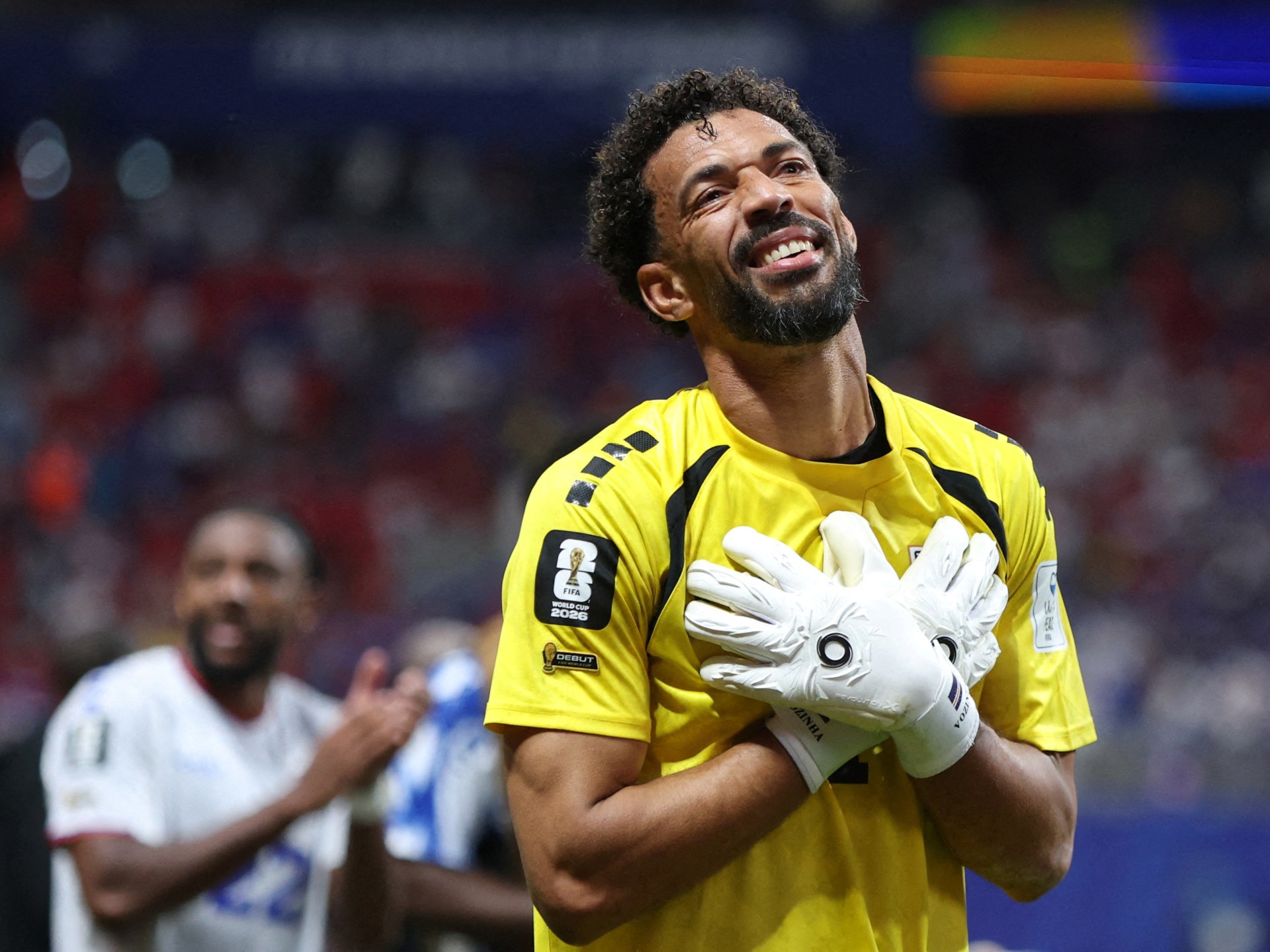

Ana Candida Evola was unable to attend her son’s game, which ended in a scoreless draw, due to the cost of a U.S. visa.

Published June 17, 2026
The minority leader in the U.S. House of Representatives has asked Secretary of State Marco Rubio to allow the mother of Cape Verdean goaltender Vosinha to enter the country and watch her son play in the World Cup.
Ana Candida Evora was unable to travel to watch her son’s star team play in a scoreless draw against Spain because of the cost of paying a deposit for a U.S. entry visa.
Recommended stories
list of 4 itemsend of list
Cape Verde was included in January on a list of dozens of countries whose citizens must post bail of up to $15,000 to enter the United States under regulations introduced by President Donald Trump’s administration aimed at curbing visa overstays.
Last month, the Washington government announced it would remove requirements for World Cup ticket holders, saying it wanted to facilitate “legitimate travel to the upcoming World Cup tournament.” By then, however, the Evora had already given up on the 6,400 km (3,900 mile) journey to Atlanta due to the high cost.
“I wanted to travel and go to the games, but that wasn’t possible,” she said.
His inability to travel to the United States to watch his son’s World Cup heroics sparked a strong backlash.
“No mother should miss the opportunity to watch her child make history,” House Democratic Leader Hakeem Jeffries said on social media.
“I have asked Secretary of State Marco Rubio to do everything in his power to be able to attend the next game on Sunday.”
State Department officials said there is no record of Evora applying for a visa, but that his relatives are eligible for visa bond waivers. The official said the Washington government was “actively reaching out to the athlete’s family to assist with the visa process.”
“I want her to be here.”
Cape Verde goalkeeper Vosinha stunned the world in his World Cup debut on Monday, shutting out Spain’s formidable attackers. The player, whose real name is Josimar Diaz, broke down in tears at full time.
His feelings were due to his mother not being able to travel to see his heroic acts in person, he later told reporters, citing visa issues.
“Also, mom, I couldn’t come here because of my visa. I didn’t have the money for my visa in time, so I want you to come here,” he said.

The early stages of the tournament were plagued by immigration issues, with Somali referee Omar Altan banned from entering the United States to officiate a World Cup match.
Many of Iran’s behind-the-scenes staff were also denied U.S. visas, and strict travel requirements were imposed on the team, which was based in Mexico.
Mario Semedo, president of the Cape Verde Football Federation, said the high cost of travel, accommodation and tickets for small countries participating in the World Cup was also a problem for those wishing to take part in the tournament.
“It’s not easy for Cape Verde residents to go to the World Cup. Airfare, accommodation and match tickets all cost a lot of money,” he told Reuters.
“There are certainly ways to create conditions that allow supporters to travel while addressing immigration concerns. For example, if a player’s family wants to attend a tournament, every effort should be made to facilitate that.”
