

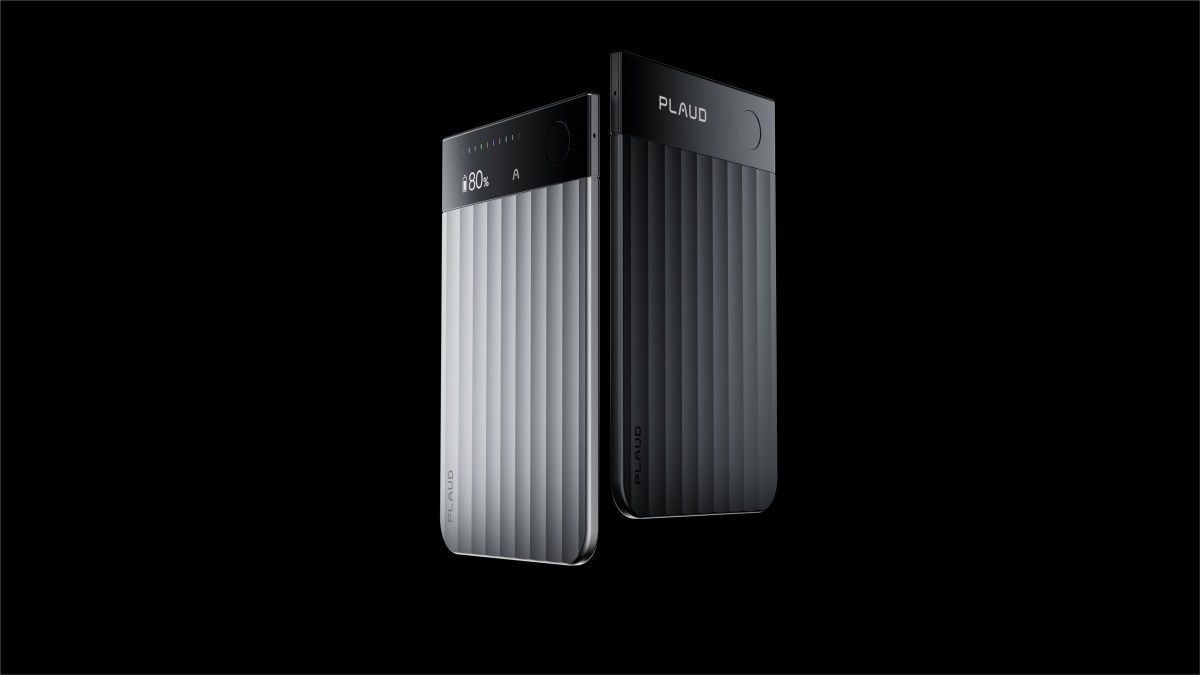
When it comes to AI hardware, there aren’t many success stories to draw on. Plaud, which creates an AI-powered note-taker, aims to become an AI-powered note-taker for professionals who frequently meet. The company said it has sold more than 2 million of its devices, including Plaud Pins and a credit card-style gadget that sticks to the back of your phone. The company also said its subscription business has an annual revenue run rate of over $100 million.
Proud noted that many AI companies often rely on digital documents or prompts entered from memory. The claim is that screen-less devices can help people have real-life conversations and later recall important points along with summaries and action items.
“Most AI companies have scaled through software behind the screen. We chose a different path. The conversations that actually move things forward don’t happen on the keyboard. We built an interface for a post-screen world, and the market validated it,” said Nathan Xu, co-founder and CEO of Plaud.
Last year, the company launched the $179 Plaud Pro, and this year added the new Plaud Pin S at a similar price. In addition to hardware, the company is also accelerating software development. Earlier this year, it released a desktop app that lets you take granola-style notes via system audio for online meetings. Last month, it also introduced Plaud Teams, which has shared memory, to target companies.
Plaud users receive 300 minutes of transcription for free with the purchase of hardware. However, if you have many meetings in a day, your free limit can run out quickly. For additional time and other features, users can opt for monthly, annual, or add-on plans. Xu told TechCrunch that the company’s revenue is largely driven by nearly 50% of device users upgrading from Basic to Pro or Unlimited plans.
The company does not yet sell standalone software subscriptions. This means that users who own Plaud devices are typically the ones purchasing paid plans.
There are many competitors in the meeting note-taking hardware market, including accessory company Anker, Transsion-backed Vaim, Sequoia China-backed Vibe, and YC-backed Pocket.
If you buy through links in our articles, we may earn a small commission. This does not affect editorial independence.
