

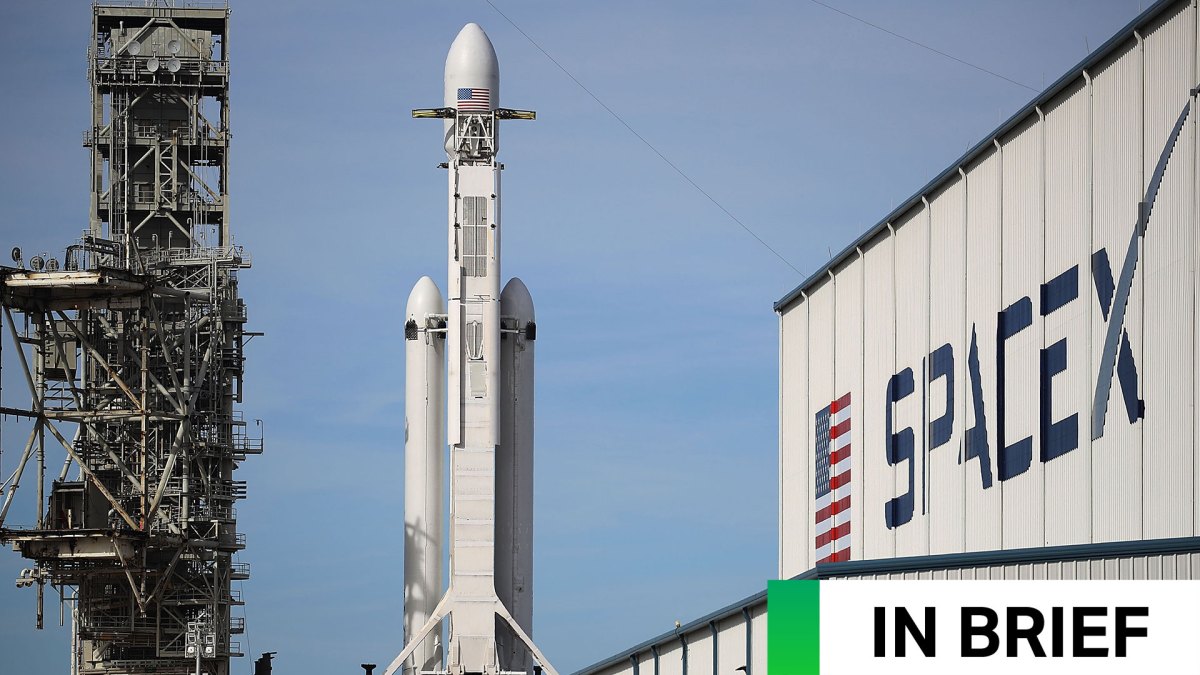
SpaceX will make its public debut on Friday, but some investors who have backed the company through a special purpose vehicle (SPV) still don’t know how much stock they’re entitled to, or whether they’ll be able to get any at all.
Investing through SPVs, where multiple parties pool their funds to invest in a single company, has been around for some time. But SpaceX represents an unprecedented case of an IPO that combines multiple layers of these vehicles. Demand for SpaceX allocations has increased so much in recent years that SPV investors occasionally create new SPVs from their holdings, building stacked structures four or five tiers deep in some cases.
SpaceX will be the first major test of the legitimacy of multi-tiered SPVs. In recent months, Anthropic and Anduril announced they would ban these structures.
Nearly a dozen SPV managers and secondary market investors who spoke to TechCrunch said backers of lower-tier vehicles may find they own fewer shares than they thought, or in rare cases, may receive no shares at all.
In most cases, these investors won’t know how many SpaceX shares they actually own until the company’s gradual lock-up, which is expected to be in place for about four months, begins to lift. Sources told TechCrunch that SPV management will not begin distributing shares to investors in these vehicles until the investors themselves can access the shares. Lock-up agreements prevent insiders, such as employees, their friends and family, and venture investors, from selling shares for a certain period of time after an IPO to prevent excessive selling pressure on the shares.
First-tier SPVs have 30 days to distribute shares to investors, said Justin Earnest, founder and managing partner of Sabertooth Capital, which invests primarily in first-tier SPVs. As a result, the next tier may not get any equity for perhaps as long as 30 days, and the vehicles below them will have to wait even longer before offering equity to their own backers. Earnest estimates that the lower SPV tiers may have to wait eight to nine months before final payment.
One secondary investor, who requested anonymity, told TechCrunch that some investors in “messy” multi-layered SPVs would be surprised to learn that some of the shares they are acquiring will be “eroded by fees” charged by the SPV.
Ideally, the SPV manager will communicate with investors in the vehicle from the IPO day. “The problem is that there is a communication train where each person only knows what is going on at the layer above them,” said the secondary investor.
This means that the ownership structure of these vehicles has become so complex that even well-intentioned SPV sponsors can accidentally mislead investors.
The biggest concern for downstream SPV investors is that they may not be able to acquire a stake in SpaceX.
Sestante Capital manager Giovanni Pennetta was recently sentenced to four years in prison for fabricating access to non-existent quotas at defense technology company Anduril.
The concern, of course, is that Pennetta is not the only deceptive sponsor. Investors at the bottom of these structures essentially had to make sure that all the managers above them were legitimate. However, given the complex structure of these transactions, some buyers may not have vetted the entire chain.
“A friend tipped me off. They bought SpaceX through a two-tier SPV in 2021. The profits should be worth the fees. The only problem is the SPV manager is no longer responding to emails or phone calls,” Nick Davidoff, founder of venture firm Davidoffs Venture Collective, posted on X last month. He wrote that investors had not heard from the SPV manager for a year.
Idan Miller, managing partner of the secondary market Unicorns Exchange, believes several other bad actors will be revealed once the lockup expires.
“Once the stock lock-up is lifted and these SPVs start selling stock, some of the vehicles will turn out to be fraudsters or fraudsters,” Miller told TechCrunch.
If you buy through links in our articles, we may earn a small commission. This does not affect editorial independence.
