

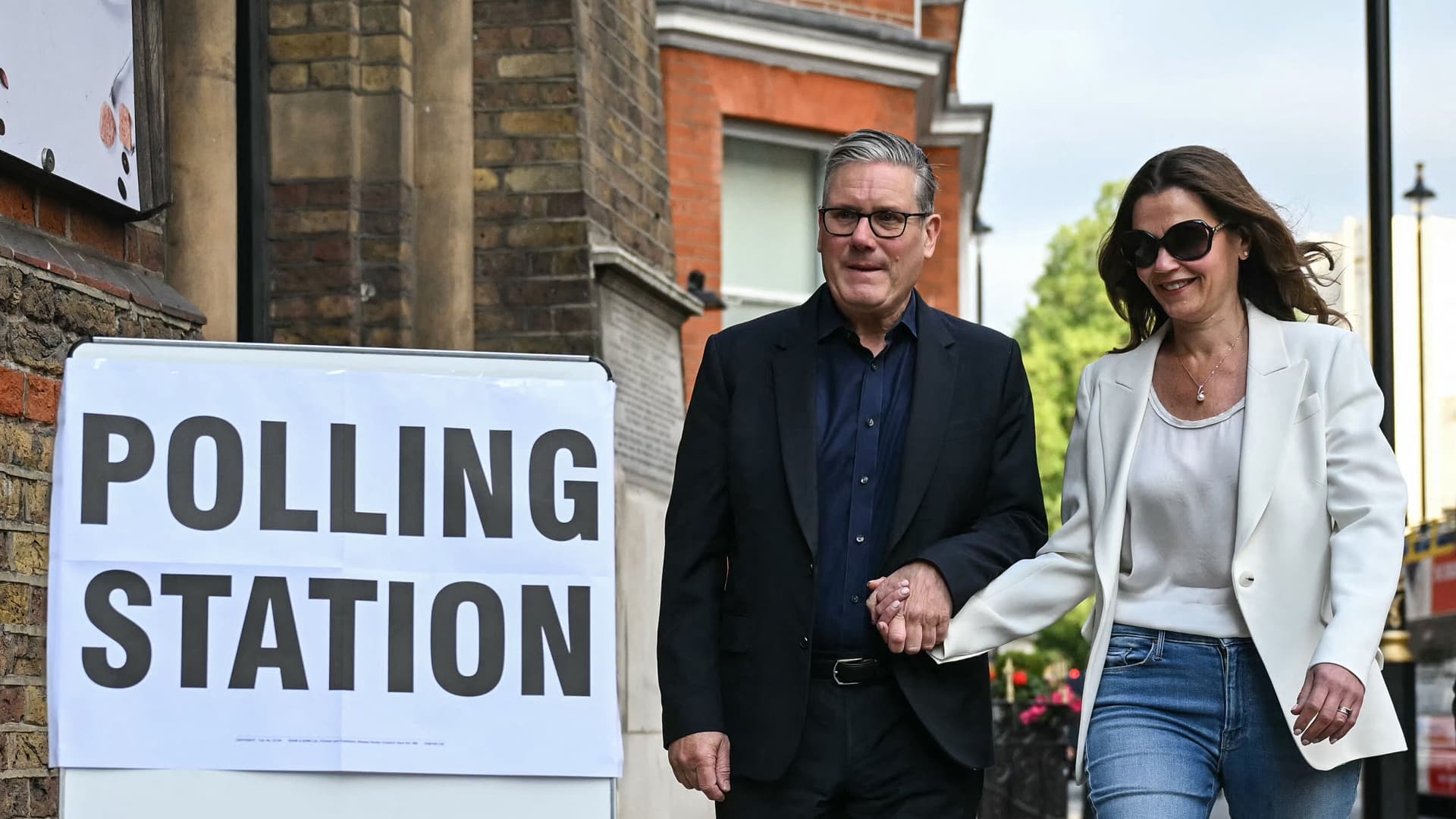

As cost-of-living pressures once again dominate political debate, with opinion polls pointing to a backlash against the ruling Labor Party, Britons await the final results of local elections across the UK.
Early parliamentary election results show a significant victory for Reform Britain at the expense of Labor and the Conservative Party, as predicted by major opinion polls.
Conflicts in the Middle East are driving up oil prices, disrupting shipping routes and raising energy, transportation and food costs.
For households, rising inflation means pressure on mortgages, rent and food costs. Businesses may face rising energy and transportation costs, squeezing profit margins and making it harder to invest and hire.
“The real shock to businesses will be the uncertainty and the cost of borrowing,” said Jack Mean, chief UK economist at Barclays.
“Those two things really drive a company’s investment decisions because the uncertainty, both internationally and domestically, means they’re a little bit more cautious about making long-term decisions.”

This pressure forced Westminster to respond. Chancellor Keir Starmer has outlined a five-point plan that includes cutting energy bills by more than £100 per household, extending fuel duty cuts until September and £53m for heating oil support.
Johnny Marshall, chief economist at the Resolution Foundation, said: “Utility bills are a huge part of household budgets, and many households, particularly on low incomes, are still suffering the final stages of the last cost-of-living crisis, in which energy bills were at the heart of the crisis… so any further rise in utility bills would be very unwelcome.”

For the Bank of England, the political pressure is a reminder of what is at stake if inflation takes hold.
“Sustained inflation is damaging to everyone and damaging to all households, so our job is to get back to price stability, which is the 2% target,” Bank of England Governor Andrew Bailey said in an interview last month.

This has changed the outlook for UK interest rates. Before the Iran war began, markets were pricing in the possibility of rate cuts this year. Those hopes have now all but been stripped away, with the Bank of England indicating it is prepared to raise interest rates if necessary.
“If this situation becomes entrenched and entrenched and persists, we’re going to have to respond because that’s our job and that’s how we get inflation back on target,” Bailey said.
And voters are paying attention.
More than six in 10 voters say the cost of living is the single biggest issue deciding their vote in this local election, according to an Ipsos poll, highlighting how economic pressures are currently driving political change.
—CNBC’s Cameron Marshall contributed reporting.
