

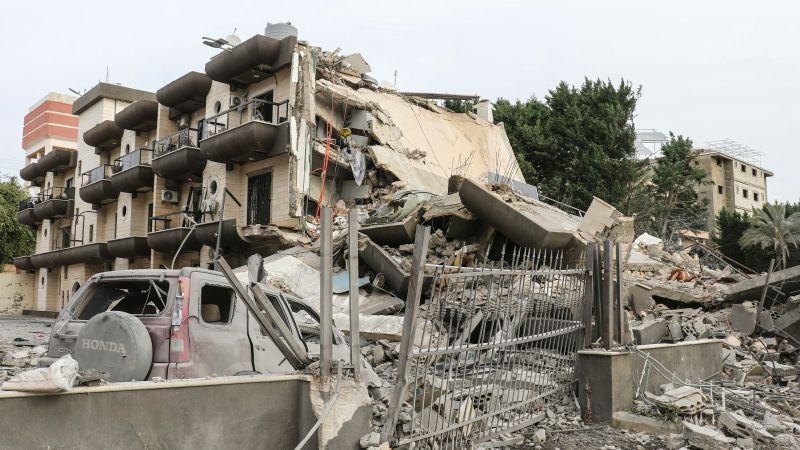
The ceasefire provides Lebanon with some respite, but it will take time to recover from the devastation.

CNN’s Nada Bashir reported from Beirut.
The Israeli government said it was targeting fighters and infrastructure of the Iranian-backed Lebanese militant group Hezbollah, which has been in conflict with Israel for decades. The aim, according to Israeli Prime Minister Benjamin Netanyahu, is to make his country’s northern borders safer. But across Lebanon, civilians are bearing the brunt of a conflict that flared up again when Hezbollah began firing on Israel at the start of its war with Iran.
The Lebanese government, including Hezbollah’s political representatives, has also moved to put pressure on the group, outlawing the militia and ordering security forces to remove all non-state weapons from the capital, Beirut. But Hezbollah officials insist that Hezbollah, rather than a weak national army, is the only force capable of defending Lebanon from an Israeli attack or possible occupation of the south.
Lebanon’s Ministry of Health said more than 2,000 people had been killed and 7,000 injured in just six weeks, including at least 172 children and 91 health workers. Israeli airstrikes have killed and injured civilians sheltering in their homes, workplaces, and even in makeshift shelters.
Read more about Lebanon’s humanitarian crisis.
