

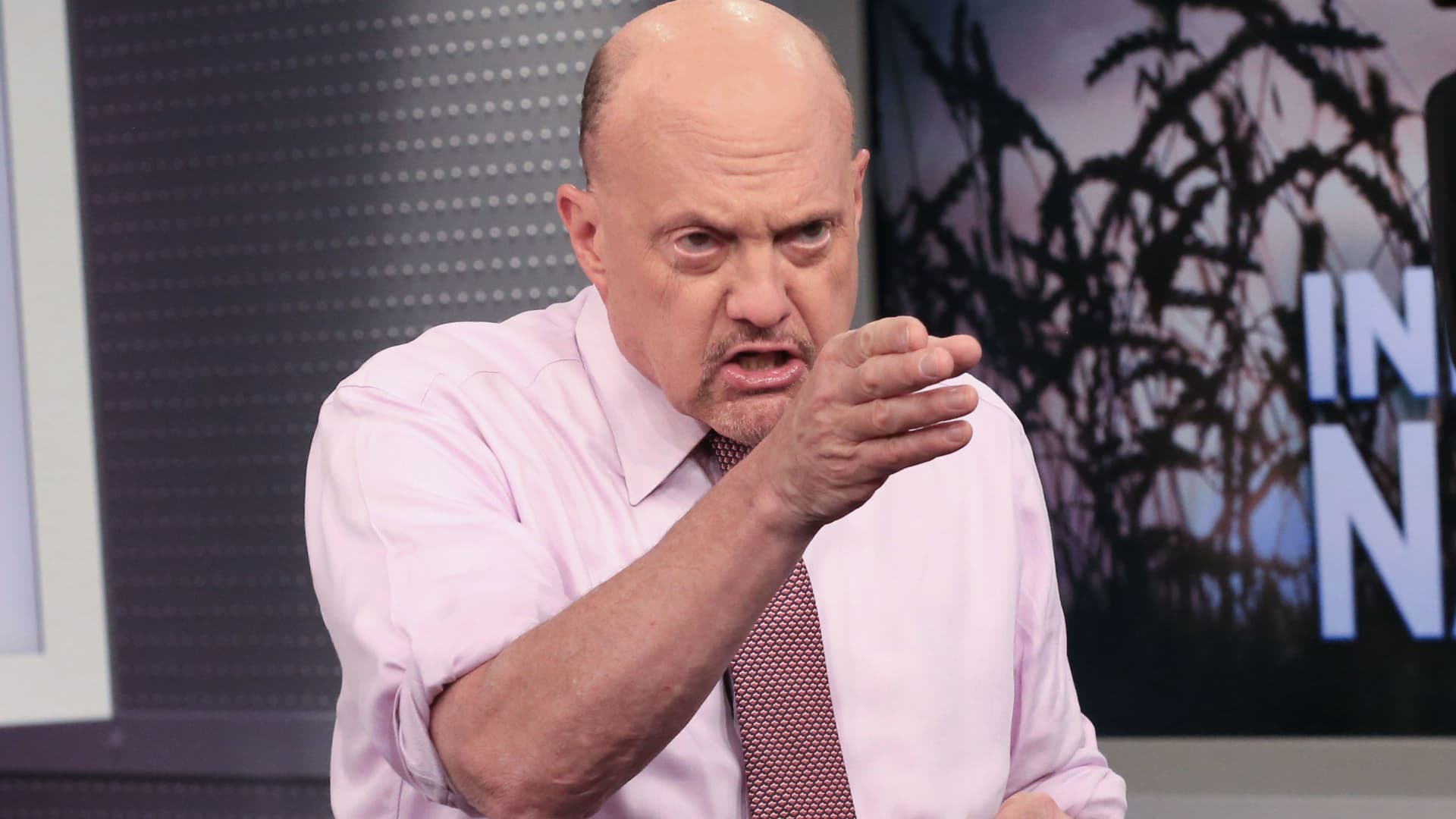

CNBC’s Jim Cramer said investors shouldn’t get complacent that the market is at the bottom just yet because the real driver of this market is interest rates, not geopolitics.
Cramer noted on Monday that the S&P 500 index may have bottomed last Monday, March 30, but stressed that the tipping point was “not about stocks per se” during the “mad money” period. Rather, he noted, it was driven by interest rates. Bond yields fell sharply after Federal Reserve Chairman Jerome Powell suggested in a speech at Harvard University last week that the central bank would not raise interest rates despite rising oil prices.
“How important Chairman Powell’s comments were,” Cramer said, pointing to the impact on bonds, oil and, most importantly, stocks.
Changes in expectations helped stabilize stock prices even as tensions in the Middle East escalated. Cramer stressed that headlines about Iran, oil prices or possible disruption in the Strait of Hormuz did not drive last week’s rally; interest rates did.
He pointed to vulnerabilities in interest rate-sensitive sectors such as housing, banks and utilities, warning: “If interest rates had gone up, we would have started a bear market of considerable size.”
To be sure, the market still faces significant risks, Kramer said. Inflationary pressures remain high, geopolitical tensions persist, and companies may soon start issuing weaker outlooks as earnings season gets into full swing.
He said the real test will come when more companies report their results in the coming weeks. Although this week is relatively light, earnings could reveal the true economic impact of rising energy costs and continued uncertainty.
Bottom line: “Even in wartime, the bond market is in charge of the stock market,” Kramer said.

