


Three weeks after the U.S. attack on Iran, respondents to a CNBC Fed survey expect oil prices to remain high for months, inflation to rise and economic growth to take a slight hit.
But they think there’s still a chance the Fed will cut rates this year.
Thirty-two respondents, including fund managers, analysts and economists, predict on average that the price of oil will be $88 per barrel in six months. If that happens, the consumer price index will rise by 0.5 points and the growth rate will fall by 0.3 percentage points. The probability of a recession in the next 12 months rose eight points to 31%. Although up, it is still well below the 53% level of concern after April’s Liberation Day tariffs.
“My predictions depend on whether oil shipments through the Strait of Hormuz resume within the next month,” economist Robert Fry said. “If that doesn’t happen, oil prices will rise even higher and I would be predicting a recession.”
The survey found that 44% thought the strait would remain closed for less than a month, while 38% said it would remain closed for longer.
On average, respondents expect the Fed to cut rates 1.8 times this year, a more dovish outlook than the Fed futures market, which is pricing in just one rate cut. A possible explanation for this difference is that many economists view the rise in oil prices as temporary and more likely to lead to economic downturn than sustained inflation.
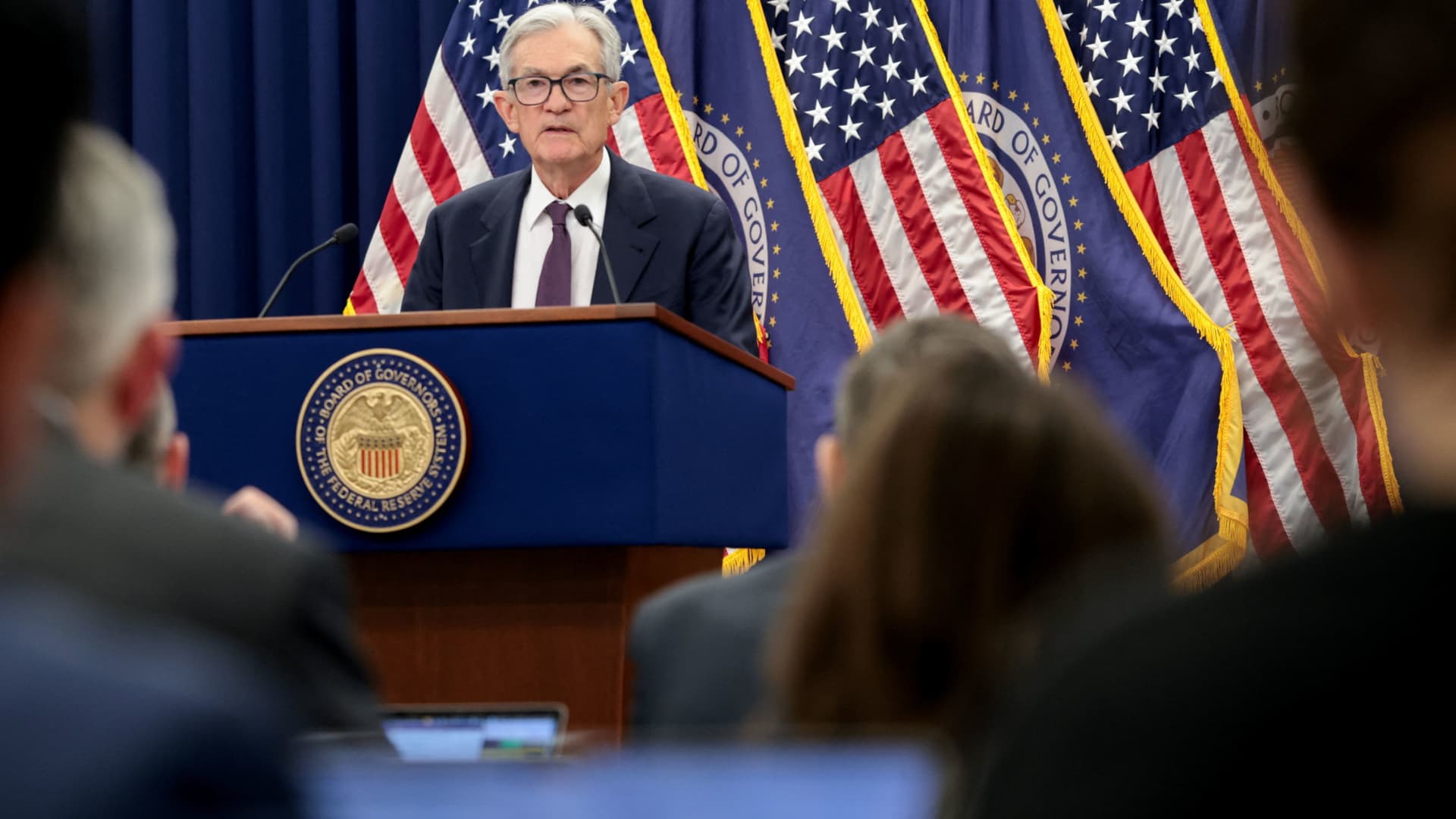
The Fed’s two-day policy meeting concludes on Wednesday, with the central bank widely expected to keep interest rates unchanged within a range of 3.5% to 3.75%. The Fed was on the sidelines at its last meeting in January, after cutting interest rates three times in 2025.
Economist Steve Blitz said: “Higher oil prices are not inflation, but rather a risk of further declines in oil prices.” “The Fed will be wary of easing rather than tightening. All of this gives Warsh room to cut rates in June.”
Economic impact of oil
For now, the impact is believed to be minor. The GDP forecast is 2.1%, down from 2.4% in January’s survey and on par with last year. The forecast for 2027 is a tenth higher at 2.2%. This year’s unemployment rate is expected to remain relatively stable at around 4.5%.
Predicting inflation is even more difficult for the Fed. The headline CPI rose to 2.9% and is expected to settle at 2.7% next year, suggesting inflation will remain above target for another two years. More importantly, 82% of respondents believe it is very likely or somewhat likely that core inflation will rise due to higher oil prices, and the Fed is following this more closely to guide policy.
“There are so many variables that the Fed’s best bet is to do nothing right now,” said John Donaldson, director of fixed income at Haverford Trust. “There’s only a 50-50 chance that the right course of action is the right one.”
“There will be a lot of ‘I don’t know’ and ‘we’ll have to wait and see’ type comments from Mr. Powell at the press conference,” added Peter Boockvar of One Point BFG Wealth Partners.
Concerns about private credit
The S&P 500 is expected to end the year up about 4% from current levels to just above 7000, but will rise even higher next year to 7627, or about 14%.
The Iran war, rising oil prices, and inflation top the list of major concerns, but there are also concerns about private credit. Two-thirds of respondents said they were somewhat concerned that private credit problems could drag on growth, and 69% said they could lead to broader systemic risks.
In the survey, which began asking questions in October, when asked about the overall level of systemic risk in credit markets, 75% said the best measure was that it was “moderately rising.”
