

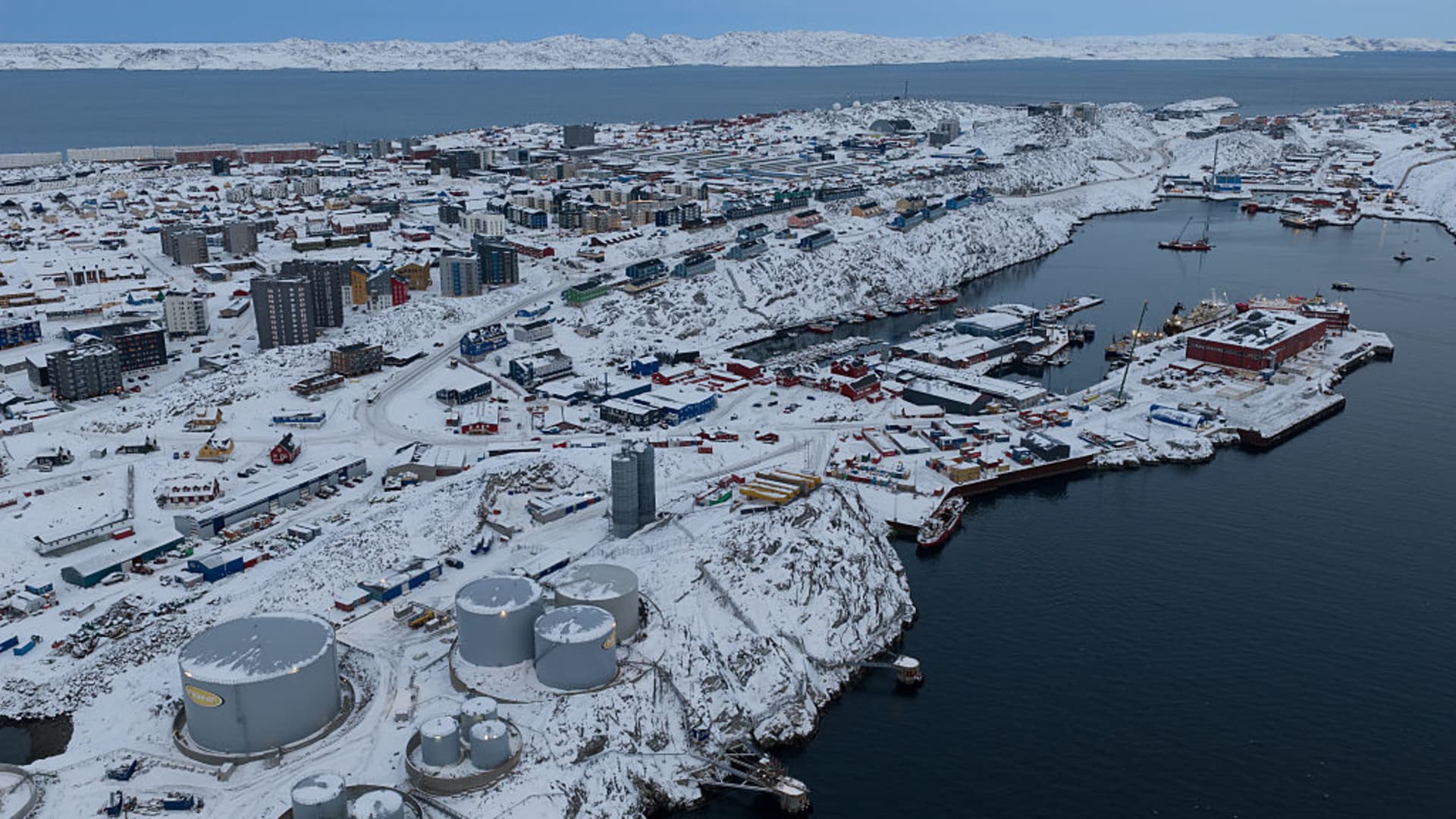
Artificial intelligence is driving the United States into a high-stakes quest for supremacy, with far-reaching implications. Fierce competition isn’t just about the battle for the best technology or the brightest innovations. In this new Cold War, primary goods are the front line. Specifically, the focus is on minerals that serve as key inputs for electric vehicles, defense systems, and other advanced technologies. China has long dominated this field, but the United States is racing to catch up. The Trump administration has made critical minerals a focus of its agenda, even announcing this week a stockpiling initiative called “Project Vault” for elements it deems essential to national security. This follows headlines last month about the U.S. detention of Venezuelan President Nicolas Maduro and President Donald Trump’s threats against Greenland, both countries with large untapped reserves of critical minerals. The rise of winner-take-all thinking will force an interventionist approach to foreign policy and create new market opportunities. “AI is a great competition that the West absolutely needs to win,” Darrell Cronk, head of investment in Wells Fargo’s wealth and investment management division, told CNBC. “The simple fact is that countries with superior intelligence can dominate.” “In some cases, there is no second place,” Cronk continued. “And I think the United States and the Western Hemisphere are thinking about how to win that competition if they want democracy and its priorities to matter in the coming 21st century.” “Geopolitics, Geography, Geology” Critical minerals are already at the center of the escalating conflict between the United States and China. When it comes to AI leadership, the United States is leading the way when it comes to semiconductor manufacturing. To protect this position, the company has established strong export controls to Beijing for more advanced chips, including Nvidia’s H200. Throughout last year, China responded by restricting exports of rare earths and related technologies essential to its auto and defense industries. Although a trade ceasefire late last year suspended some regulations, the event exposed potential weaknesses in the U.S. supply chain. Rare earths are a group of 17 elements that are important raw materials for a wide range of products, but they’re actually not all that rare. However, they are difficult to find in economically viable deposits, and extraction and processing are also difficult and time-consuming. China is responsible for approximately 70% of the world’s rare earth mining. Knowing where these key factors are located is important to understanding why some regions have become political hotspots. Wells Fargo’s Cronk cited the following areas of interest for the U.S., China and Russia: U.S.: Colombia, Mexico, Canada, the Panama Canal, Venezuela and Greenland, plus China: Taiwan, the significant presence Beijing has built in the so-called lithium triangle of Chile, Argentina and Bolivia, plus Russia: Ukraine, the Arctic “I think in 2026 we need to pay attention to geopolitics. Geography and geology,” Cronk said. Investment Implications Stock markets have largely ignored this year’s alarming headlines, as historically geopolitical shocks rarely have a lasting impact on stocks. Investors remain optimistic, confident that fiscal stimulus, easy monetary policy, and strong profit growth will continue the bull market into its fourth year. But that doesn’t mean stocks are completely unaffected. Major average stock prices fluctuate widely within the day, and the VIX index, known as Wall Street’s fear index, briefly exceeded 20 handles last month. Broadly speaking, investors expect continued volatility this year. This has shifted focus to parts of the market that investors suspect are more attractively valued and less susceptible to any backlash. International stocks are also becoming more popular. Meanwhile, support is growing for the idea that investors should focus more on alternative investments, including commodities. Wells Fargo’s Cronk said investors should stick to investment vehicles that offer direct exposure to commodities rather than companies to benefit from the purest exposure to themes. But others on Wall Street expect other companies tied to miners and commodities to outperform as well. Rare earth miners soared on Tuesday after announcing significant mineral reserves. However, those stocks fell on Wednesday after reports that the United States is planning to set minimum prices for critical minerals with Mexico, the European Union and Japan. The group has already outperformed this year. The VanEck Rare Earths and Strategic Metals ETF (REMX) is up more than 15% this year. MP Materials, which operates California’s Mountain Pass mine, has soared more than 14% since the beginning of the year. U.S. rare earth reserves have nearly doubled. Larry McDonald, author of the Bear Traps report, said he prefers natural gas companies with physical assets on the ground, such as Chevron and ExxonMobil. He said he favors uranium among commodities and is seeking exposure to uranium through the Sprott Uranium Fund (SRUUF). The fund gained more than 6% in 2026. Even after the recent historic selloff, the outlook for precious metals remains positive. JPMorgan strategist Gregory Shearer raised his year-end target for gold to $6,300 an ounce, about 33% above early Monday trading levels. Retail traders also bought silver’s bulls, but losses still widened this week.
