

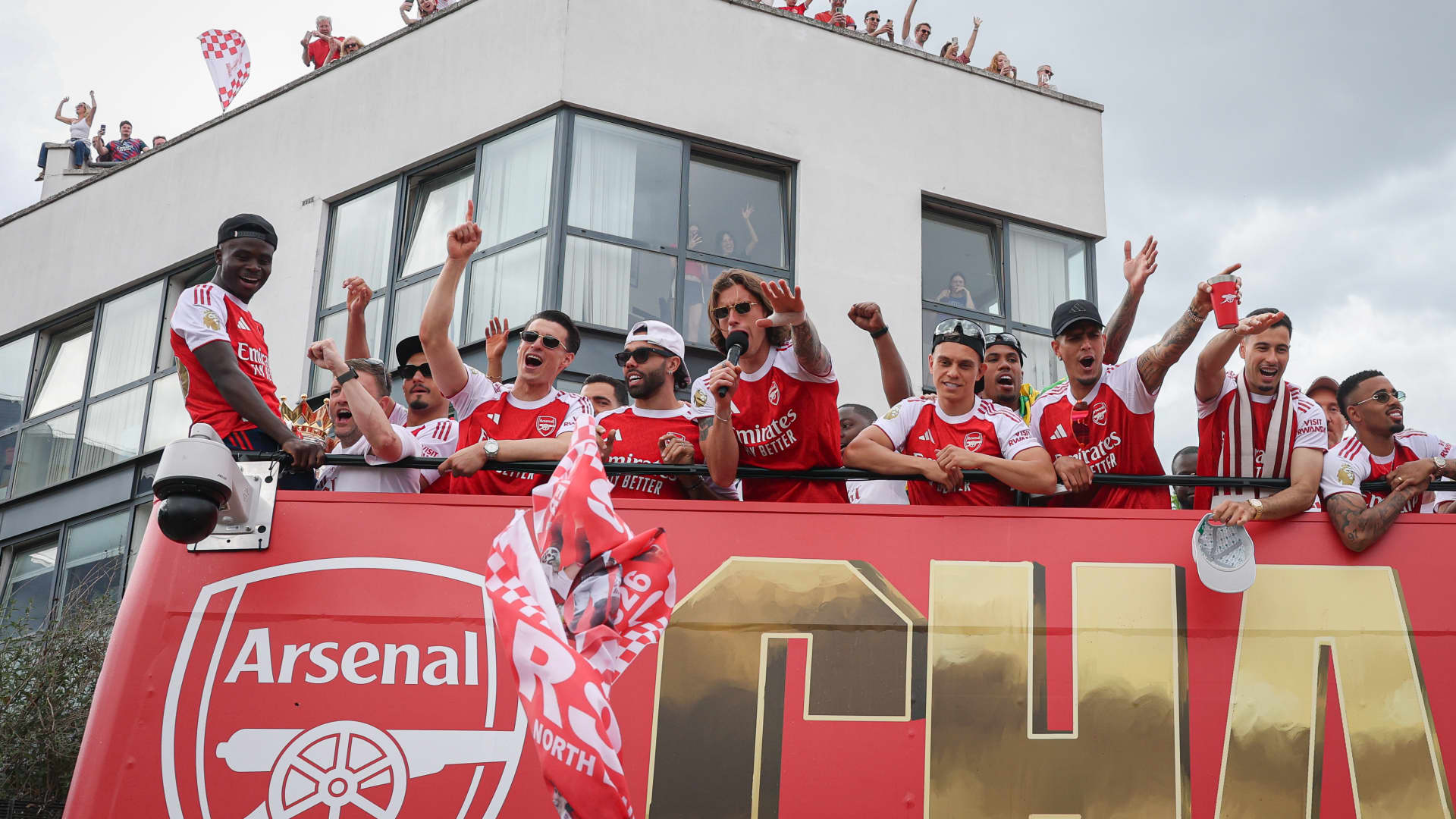
The world’s 20 most valuable sports empires are worth a combined $269 billion, up 20% from a year ago. The rise in the valuation of sports empires has been fueled by the soaring prices of sports real estate. In March, Stephen Ross sold 1% of his sports portfolio, which included a controlling stake in the NFL’s Miami Dolphins, Hard Rock Stadium, Formula 1 racing and a minority stake in the Miami Open tennis tournament, for a record valuation of $12.5 billion. CNBC values Mr. Ross’s controlling stake in these assets at $15.23 billion, an increase of 59% from a year ago. Ross moved up to 6th place in this year’s Sports Empire Rankings from 15th place last year. Mark Walter, who keeps his sports assets within his holding company TWG Global, bought the NBA’s Los Angeles Lakers for $10 billion in October, according to people familiar with the deal, who requested anonymity because the matter is private. Other sports facilities in TWG’s portfolio include MLB’s Los Angeles Dodgers, WNBA’s Los Angeles Sparks, the English soccer team Chelsea, the Cadillac F1 Team, and the Women’s Professional Hockey League. A year ago, TWG was not included in CNBC’s list of sports empires. But after acquiring the Lakers, TWG’s share of sports assets totaled $14.26 billion, enough to rank eighth this year. The most valuable sports empire so far remains Kroenke Sports & Entertainment, valued by CNBC at $26.05 billion, up 23% from last year and $8.45 billion more than the second-place Jones family. Among the sports empires on our list, no other sports empire owns control of teams as diverse (NFL, NBA, NHL, Premier League Soccer) or as widely geographically dispersed (Los Angeles, Denver, London) as KSE. And no other sports empire on our list is as invested in its team’s stadium real estate holdings as KSE, which owns SoFi Stadium in the Los Angeles area, Ball Arena in Denver, and Emirates Stadium in London. The value of NFL and NBA franchises remains much higher than the value of MLB, NHL, and soccer teams, so sports portfolios that do not include NFL and NBA teams are unlikely to appear within the top 20 empire. For example, City Football Group, which owns control of English soccer team Manchester City and MLS’s NYCFC, ranked 20th on CNBC’s list with a valuation of $7.65 billion last year. Despite being worth $8.05 billion this year, it didn’t make it into the top 20. Methodology To participate in CNBC’s rankings, an individual or entity must be a majority owner of a sports team valued at $1 billion or more and have additional sports-related investments worth at least $500 million. We evaluated over 40 empires, including the top 20 empires. Our imperial valuation represents ownership of control. CNBC’s valuation includes an individual’s or entity’s share of sports-related assets. For example, in the case of AMB Sports & Entertainment, which ranks 20th on the list, only about three-quarters of the Atlanta Falcons, which AMB owns, is included in its $9 billion valuation. A person familiar with the Falcons offered AMB ownership of the team, but requested anonymity because the matter is private. Similarly, only sports real estate is included in the valuation. For example, No. 9 AEG Worldwide’s $14 billion valuation does not include its music and hotel businesses. CNBC has launched its own official ratings rankings for NFL, NBA, MLB, NHL, and soccer teams. For other sports teams and companies, we relied on input from owners and management, sports bankers, and public filings. When CNBC was unable to verify reports from individuals representing the empires it valued, CNBC made informed estimates based on comparable transactions. To determine the enterprise value of these empires, CNBC calculated the total value of each person’s or organization’s percentage of each individual sports asset and applied a multiple to that sum ranging from 1.1 to 1.3. The multiplier used depends on the teams and other sports assets you own and the percentage of these assets you own. In other words, controlling interests are more valuable than minority shareholders. We have since further adjusted the multiplier to reflect stadium improvements, including Monumental Sports & Entertainment’s Capital One Arena renovations. He also coordinated recent transactions, including the limited interest sale of the Cleveland Browns to Arctos at a valuation of $9 billion and Fenway Sports Group’s sale of the Pittsburgh Penguins to the Hoffman family. Terms of the Arctos acquisition were provided by two people familiar with the deal, who requested anonymity because the matter is private. —CNBC’s Hector Fadraga contributed to this report. Correction: This article has been updated to reflect that Kroenke Sports & Entertainment, also known as KSE, owns Ball Arena in Denver. A previous version incorrectly listed the company abbreviation and arena name.
