

listen to this article4 minutes
information
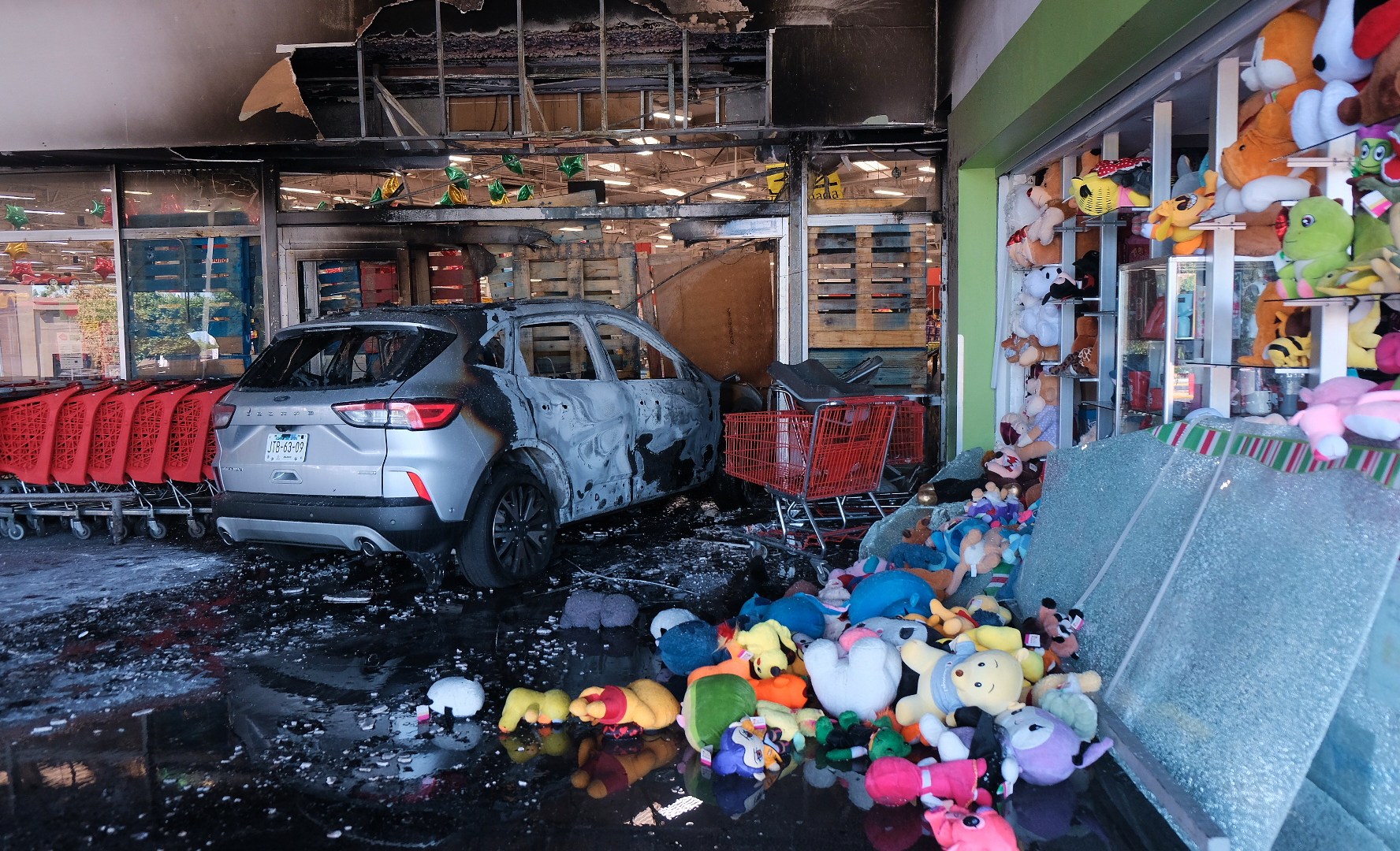
Like other parts of Mexico, cartel violence erupted in the city of Guadalajara over the weekend after a notorious drug lord was killed in a military raid.
Guadalajara is currently nervously preparing for the FIFA World Cup, where four matches will be held in June and July of this year.
Recommended stories
list of 4 itemsend of list
With Mexico co-hosting the tournament with the United States and Canada, authorities are turning to technology to keep some of the most important sporting events on the planet safe.
Drones, counter-drone equipment, and AI-powered video surveillance systems are some of the tools deployed by the government of Jalisco, whose state capital is Guadalajara, to provide security.
The preparations come as the state of Jalisco endures an epidemic of disappearances and the discovery of secret graves, with Guadalajara having the most residents missing due to brutal drug-related violence than any other city in Mexico.
On Sunday, Nemesio “El Mencho” Oseguera, leader of the Jalisco New Generation cartel and one of the most wanted men in Mexico and the United States, was killed in a military operation about 130 kilometers (80 miles) from Guadalajara.
Cartels were furious, sparking gun battles with security forces that left at least 57 people dead, including soldiers and cartel members, across Mexico and blocked highways in 20 states.
Authorities canceled soccer matches in Guadalajara and the central state of Querétaro after buses and businesses were set on fire.
FIFA, soccer’s world governing body, declined to comment on the violence that occurred in one of the host cities.
The streets of Guadalajara were nearly empty on Monday as businesses closed and classes were canceled in Jalisco state. Schools were also closed in more than a dozen other states.
Days earlier, state security officials had reported that Guadalajara was “peaceful.”
“Grotesque situation”
Jalisco is one of the states with the highest number of missing people in Mexico, with 12,575 people reported missing, according to official statistics. More than half of the infected people are from the Guadalajara metropolitan area. Experts say disappearances are caused by forced recruitment into criminal groups.
Families of the disappeared have unearthed hundreds of secret graves in search of their loved ones.
Some activists have expressed regret about hosting the World Cup in Guadalajara.
“I don’t think there’s anything to celebrate. It seems like a pretty grotesque situation to me,” Carmen Ponce, 26, whose brother Victor Hugo went missing in 2020, told AFP.
“While we are searching, this country is celebrating a goal,” she said last September in the field where she and her mother found plastic bags containing five bodies buried.
People are also nervous about hosting World Cup matches in a city that has experienced many hardships.
Juan Carlos Contreras, who oversees the city’s surveillance camera network, told AFP there could be protests by residents furious with the government as they search for their missing loved ones.
Misael Robles, 31, a tour guide from Guadalajara, told AFP he had canceled 25 tours since the violence erupted on Sunday.
“The economic impact is a big problem,” he added.
Authorities discovered a property being used by a criminal group just a few kilometers from Akron Stadium, where World Cup matches are scheduled to be held.
Less than 2 kilometers (1.2 miles) from the sports complex, state prosecutors raided a house and arrested two people on suspicion of kidnapping.
AFP wrapped a saw chain around a metal pole in an abandoned building with Akron Stadium visible in the distance.
Jose Raul Servin, who has been searching for his son Raul since he disappeared in April 2018, worries that tourists coming to watch the World Cup will fall prey to criminal gangs.
“I don’t want anything like what happened to us to happen,” he said.
Selvin fondly remembers her son being a soccer fan.
“If he had been here, he would have been happy about the World Cup,” he said.
