

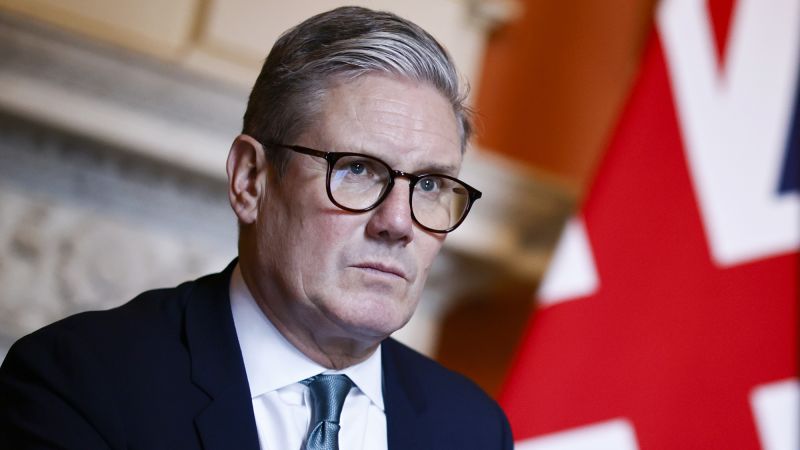

Economists at British think tank Capital Economics have warned that a change at the top of Britain’s government could lead to higher borrowing costs.
Ruth Gregory and Joe Maher said they expected Keir Starmer’s potential successor to be “less fiscally disciplined” and to increase public spending.
Mr Starmer and Chancellor of the Exchequer Rachel Reeves imposed tough spending rules on the government aimed at reducing the country’s debt burden and boosting economic growth. However, it led to some tough decisions and the desired goal was not achieved yet.
Mr. Gregory and Mr. Maher said the new leader could scrap tough rules in favor of increased spending. But their expectations that it will work are low.
“We do not believe the new prime minister will be any more successful in boosting the economy’s growth rate in the medium term,” they said.
Economists said the market appears to be in agreement. Yields on 10-year British government bonds, known as gilts, were already rising. This means fewer investors will be interested in buying government bonds, raising the UK’s borrowing costs. Similarly, the British pound is depreciating against the euro.
But Gregory and Maher also said that while domestic politics plays a role in markets, the Iran war is likely to have an even bigger impact on the economy.
