The scene looks almost apocalyptic. A convoy of Russian soldiers emerges from a dense fog heading for the eastern Ukrainian city of Pokrovsk. Some of the troops ride motorcycles and mopeds. Some people are standing in the bed of an aging pickup truck. One group is in a vehicle with a strange cage-like device.
Strange as it may seem, this short video clip posted on social media and located just a few miles outside Pokrovsk by CNN offers a glimpse into the changing way Russia is fighting its war in Ukraine.
If Pokrovsk falls into Russian hands, which is now becoming more likely, it would be the largest city Moscow has captured since the Bakhmut capture in May 2023.
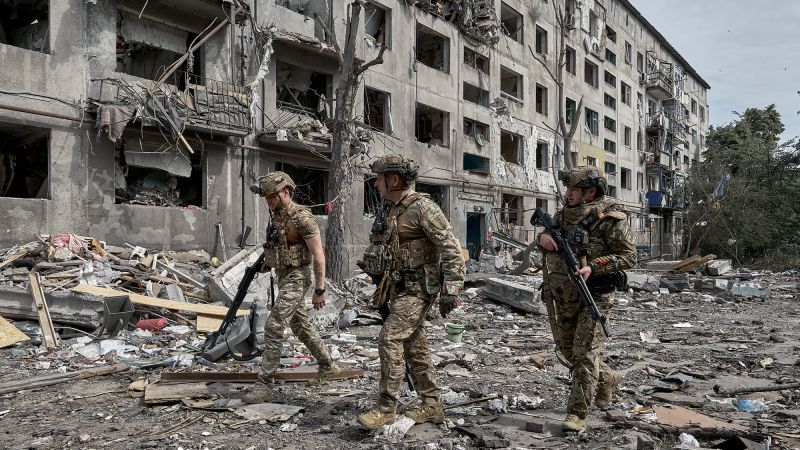
Like Bakhmut, Pokrovsk is largely reduced to rubble, and its strategic importance is now significantly reduced. However, like Bakhmut before it, Pokrovsk also became a symbol of Ukrainian resistance.
That’s why Russian President Vladimir Putin seems willing to pay any price for it, and why the Ukrainian military continues to try to maintain it, even as the situation becomes increasingly desperate.
While the fates of the two eastern towns may seem very similar, soldiers on the ground, military observers and analysts say Russia’s approach is very different, and the change in tactics speaks volumes about how the war has evolved over the past two years.
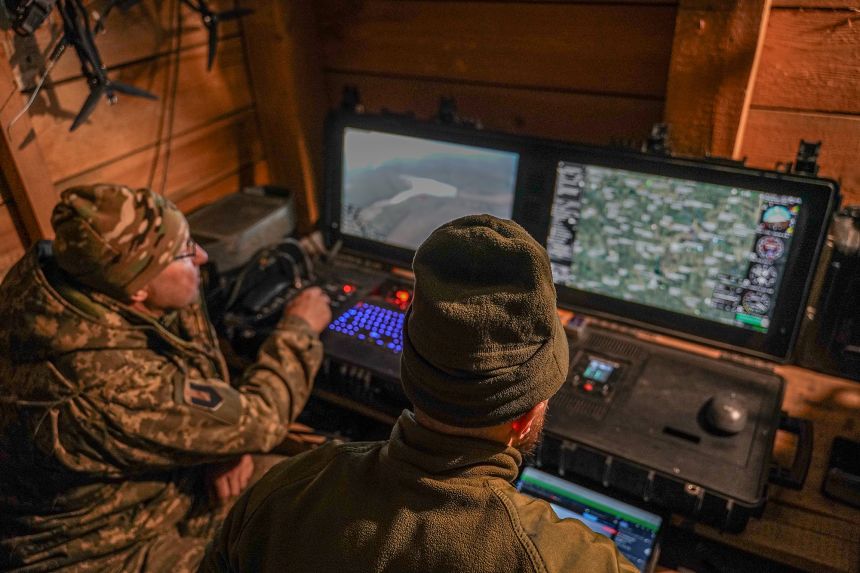
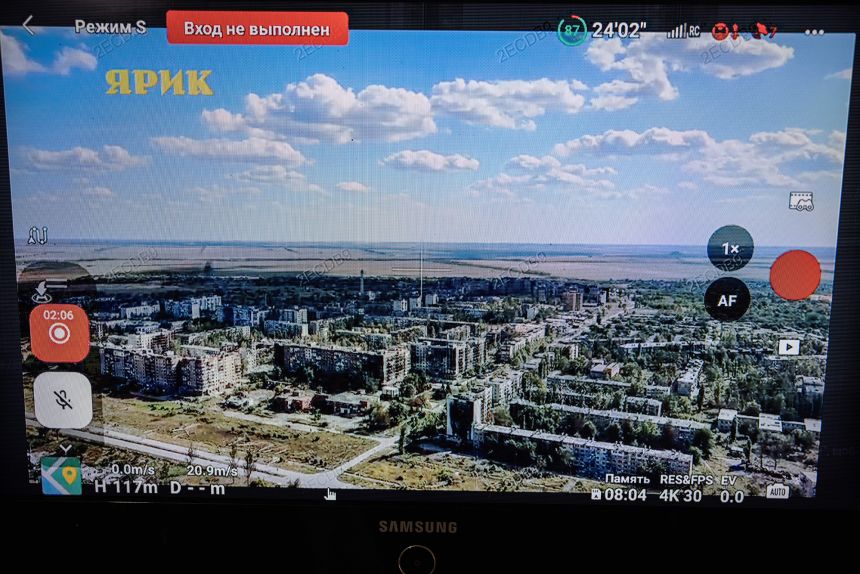
A key reason for the transformation is the massive uptake of drones, with recent advances in technology allowing more drones to be deployed over longer distances. This effectively expanded the “kill zone” on both sides of the front between Russian and Ukrainian forces, making advancement on the battlefield much more difficult.
Rather than breaking through by force using heavy armor, the Russian military is increasingly considering penetrating Ukrainian territory with unconventional vehicles such as mopeds and four-wheelers.
One soldier from Ukraine’s 129th Brigade, currently stationed near Kostyniivka, northeast of Pokrovsk, told CNN that his unit’s first encounter with Russians in buggies was “very unexpected” but still meaningful.
“It’s logical. We attack with drones, but it’s easier (for them) to move using light transport,” the soldier said. He requested anonymity due to safety concerns.
Ukraine’s Ministry of Defense said on Tuesday that around 300 Russian troops are currently estimated to be in Pokrovsk, but stressed that fighting is still ongoing.
Russia has been slowly advancing toward Pokrovsk for about two years, after making a breakthrough further east at Avdiivka in early 2024.
Mason Clark, director of the European Defense Project at the Institute for the Study of War (ISW), a Washington-based conflict watchdog, told CNN that as with the capture of Avdiivka, Russia advanced on Pokrovsk “to ultimately force the Ukrainian forces to withdraw or, ideally, to completely encircle them.”
“It differs from Bakhmut, which is much more of a deliberate direct frontal attack on urban terrain.[In Pokrovsk]the objective of the operation was to encircle Ukrainian forces rather than necessarily clearing the city block by block,” he said.
Although Moscow’s forces did not completely surround Pokrovsk, they succeeded in cutting off Ukraine’s supply lines.
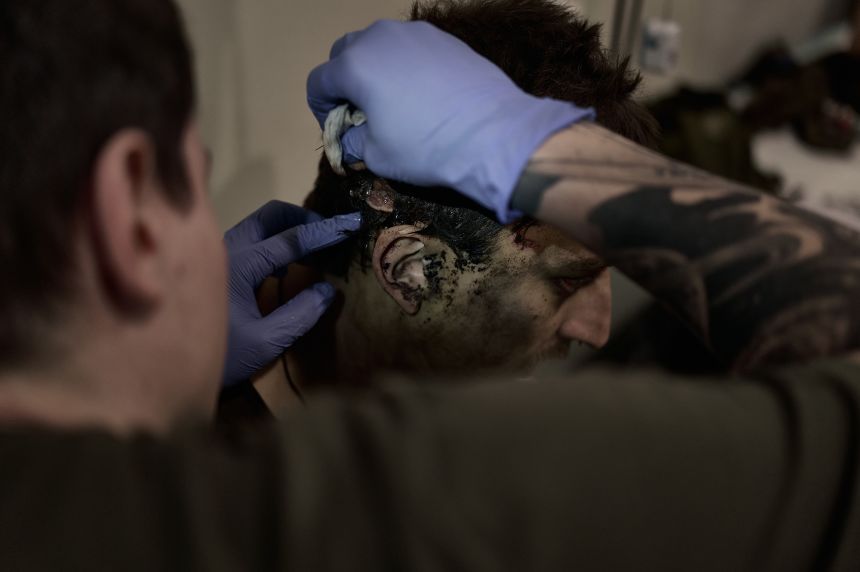
A Ukrainian medic whose troops are currently fighting in Pokrovsk and the nearby town of Mirnohrad said evacuations from the city were now nearly impossible, with evacuation vehicles unable to get within 10-15 kilometers (6-9 miles) of the city, and even that closeness remained extremely dangerous due to the drones.
“Severely injured people don’t get to a (medical) stabilization point. If someone (suffers) moderate injuries, if they’re lucky, they’ll come to me in serious condition. Minor injuries will come to me as moderate,” he told CNN. He asked that his name not be published because he is not authorized to speak to the media.
“Currently, we have several people who have been working for two weeks with serious injuries. We have one person who has been in a serious condition for a week, and we can’t take him out,” he added.
The Ukrainian military is trying to use unmanned armored vehicles to rescue casualties, but medics working in Pokrovsk said the armored vehicles triggered heavy shelling from Russia, even though international law prohibits attacks on unarmed and clearly marked medical transport vehicles.
The Battle of Bakhmut in early 2023 was marked by what Ukrainians called a “meat grinder” offensive, as waves of Russian troops continued to pour toward well-defended Ukrainian positions. The idea was that if Ukrainian forces opened fire, they would reveal their position.
This tactic resulted in extremely high casualty rates for the Russian troops, who were essentially being sent to die. Those who tried to turn back risked being shot by their superiors.
Ukrainian soldiers fighting in Bakhmut told CNN that dozens of Russian soldiers were being killed each day, their bodies left frozen in the fields, as another unit was sent on the same mission the next day. In the end, by sheer numbers, this Russian approach paid off, exhausting the Ukrainian army after months of fighting.
But now the tactics have changed.
“In Bakhmut, the Wagner Group was sending personnel into the field to draw Ukrainian fire, hoping to be killed…The objective now is to get as many of these personnel as close to Ukrainian positions as possible. They are not being sent to be killed,” said ISW’s Mason Clark.
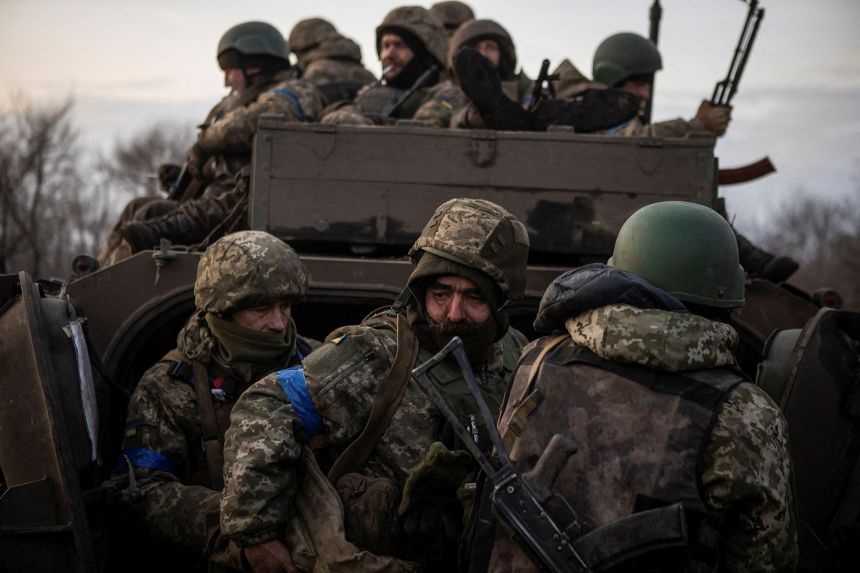
A former CNN soldier from the 129th Brigade says that the Russian attack group has also become smaller.
“In urban areas, they used to move in groups of five to seven people. Now there are at most three people. But it’s difficult to track them with reconnaissance drones because there’s not much movement on the screen,” said the soldier, who requested anonymity for security reasons.
Another fighter from Ukraine’s Peaky Blinders drone group said the Russians often operate in groups of three, adding that attrition rates remain high. “(They) are counting on the fact that two will be destroyed, but one will still reach the city and establish a foothold there. Such a group could pass around 100 people a day,” he told CNN last week on condition of anonymity.
The UK Ministry of Defense estimates that a third of the more than 1.1 million casualties suffered by Russia since it began its full-scale invasion of Ukraine in February 2022 have been killed or wounded this year.
“This is achievable for Russia because they accept very slow marches and this kind of operational approach actually moves very slowly, whereas in 2022 and 2023 they were still focused on fast marches,” Clark said.