


Sitting on the shelf of one of Kenya’s oldest libraries is a book, a treasure trove of undeveloped financial opportunities. For over 90 years, the Macmillan Memorial Library has served as a literary hub for Nairobi’s central business district. It is one of an estimated 8,000 public libraries across the continent.
A 2025 report from the United Nations Education, Scientific and Cultural Organization (UNESCO) estimates that if appropriate policies are in place and investments are made, the African publishing industry could reach $18.5 billion in the coming years. As of 2023, it generated just $7 billion, accounting for just 5.4% of the global book market, valued at $129 billion.
The UNESCO report accused the lack of industrial growth within Africa of weak policies, lack of tax incentives and relying on imports. It encouraged the establishment of national main policies that promote literacy, oversee the book cycle, and create financial incentives for key players within the industry.
“Today, we see that most of the names of African literature authors are known more outside the continent than within the continent. They are known in their own countries, but not among other countries. That’s a problem.
Ramirez said the African production industry is “booming with undeveloped possibilities.”
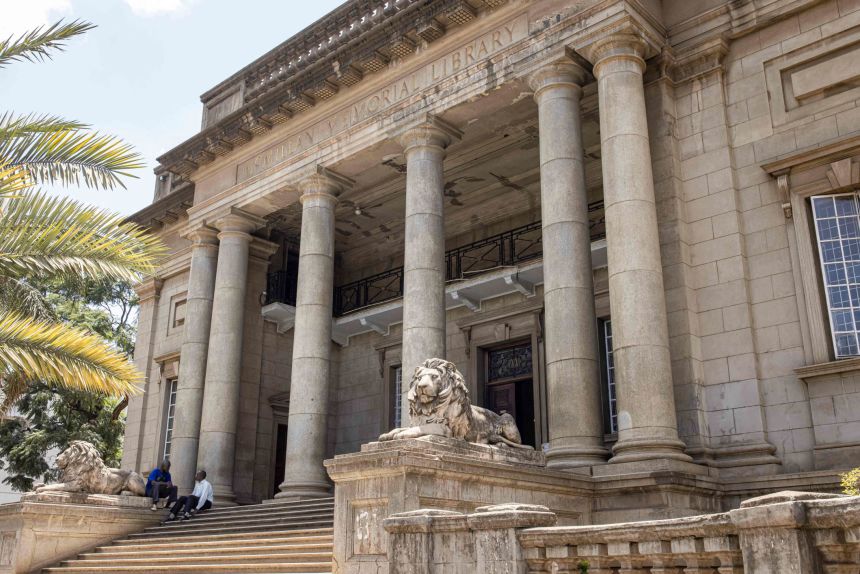
One area of interest is the role of public libraries. The report outlined the need to strengthen the library framework in Africa, particularly rural areas, by instituting a “clear principles of governance and funding” that prioritizes the entire book ecosystem.
“It has to start with the community,” Jacob Ananda, assistant director of Nairobi City County Library, told CNN. He hopes that children will be introduced to the library and read at a younger age, so it will “be part of their lifestyle.” But to do so, he said there must be a “library restoration, restocking and preservation policy.”
Ananda nods to the McMillan Memorial Library, which has been renovated to improve the building’s facilities and has been restored to digitally access to reading materials with the help of nonprofit book Bunk and fundraising from local governments.
“We are one of the most cutting-edge libraries and look forward to being able to meet the needs of our users,” he said.
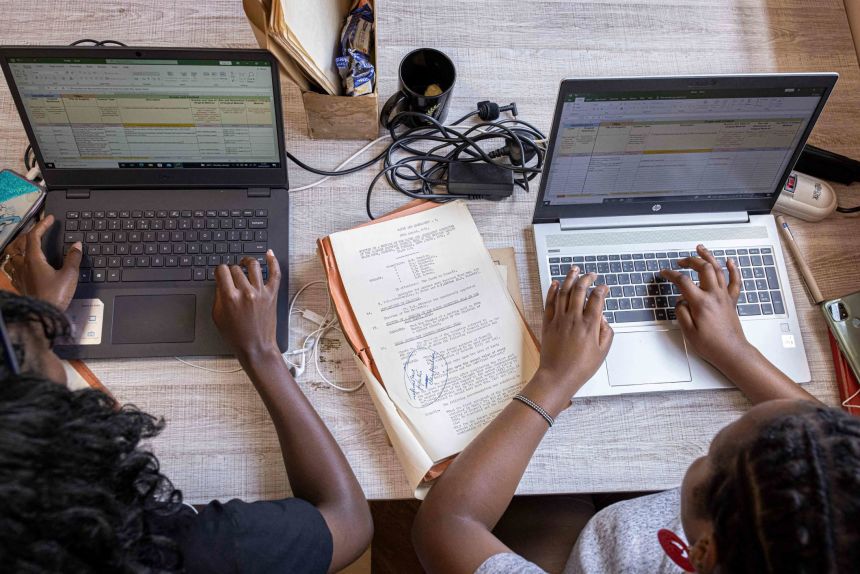
At least 70% of the sub-Saharan Africa’s population is under the age of 30, the youngest in the world. Publishers and distributors are looking to leverage this tech-savvy generation by leveraging Africa’s emerging festival circuit and adopting digital integration.
According to a UNESCO report, around 270 literary festivals and book fairs are held every year across the continent, with many focusing on books aimed at children. We also note that there is an increasing number of publishers and distributors who use e-books and audiobook production, including African Storybooks in South Africa, Akoobooks in Ghana, and Ekitabu in Kenya.
“Today’s new generation of creators, they see how to go into the future with something that belongs to them, and no one will tell them how to tell this (Africa) story,” Ramirez said.
One way to maintain Africa’s rich culture and diversity is to tell stories in their native language and translate them into 2,000 languages on the continent. Ramirez told CNN that 90% of the content UNESCO received from partner organizations is in English, but he believes that artificial intelligence translates books and other reading materials into various languages and local dialects, making it easier for the community to access.
However, he warned that AI needs to be handled with caution. “Africa is a continent with fewer laws on these issues (of artificial intelligence),” Ramirez said. He added that this is an opportunity for the country to regulate platforms, protect copyrights and create their own safeguards to ensure creators receive the benefits of their work.
The report is part of a series of publications UNESCO is working to map Africa’s creative economy, and Ramirez says it is important to unlock the economic potential of the continent. “The only way to social cohesion at the national level among all diversity in our communities is to have a culture at the heart of sustainable development,” he said.
