


The players’ rings will be a limited edition of 2,026 individually numbered pieces, with the remainder available for general sale.
Published July 17, 2026
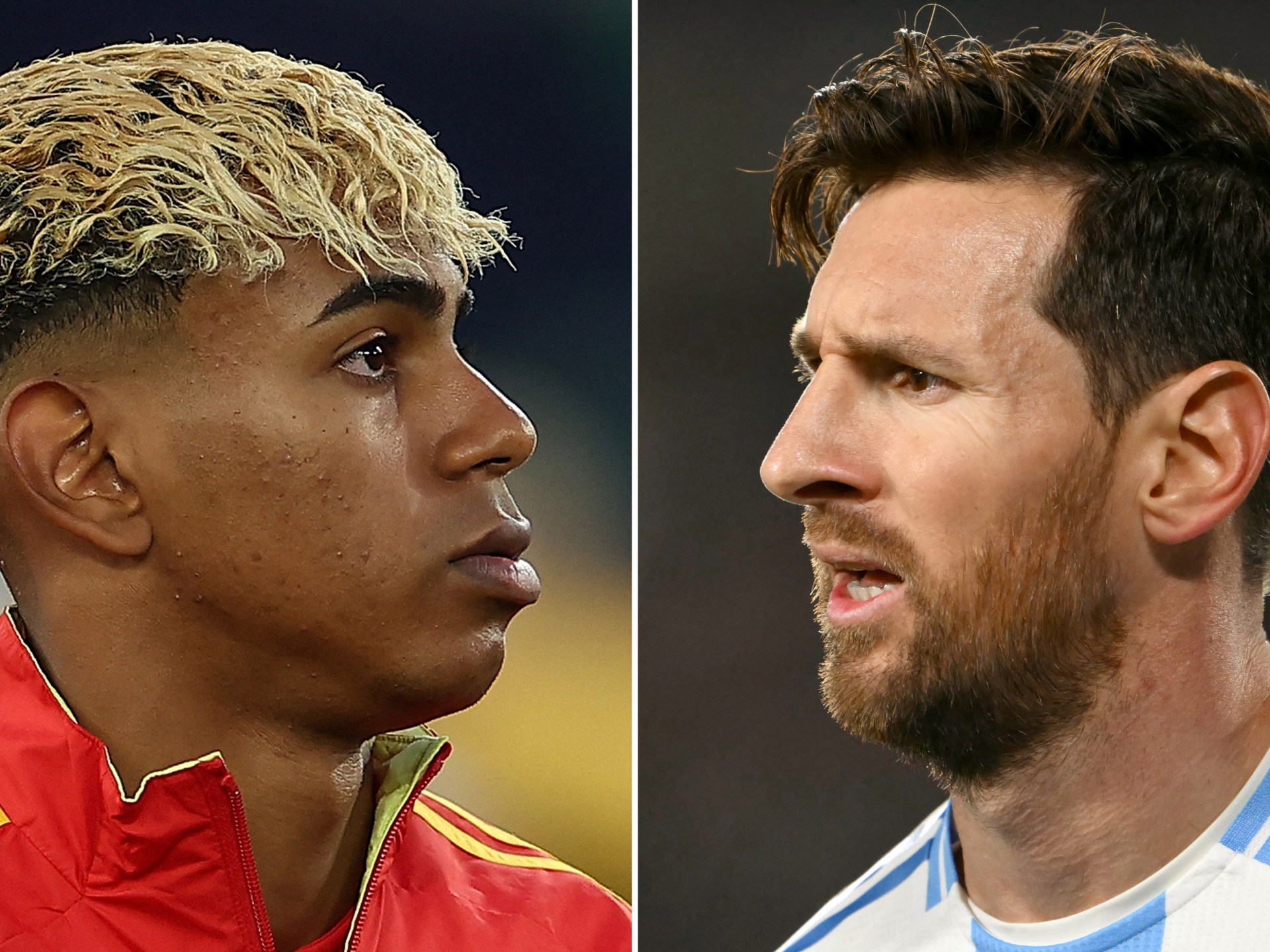
The winner of the World Cup final between Spain and Argentina will receive a championship ring in addition to the trophy and gold medal, FIFA has announced.
The move, announced Friday, is seen as the latest sign by the governing body to Americanize the flagship tournament.
FIFA has announced that 30 custom-made rings will be presented to the winning team after the final at New York/New Jersey Stadium, with captains and head coaches initially set to receive provisional versions immediately after the match.
The rings will then be customized to reflect the winning team’s identity and individually tailored before being unveiled at a later date.
One side features the World Cup trophy and the other side features details specific to the champion.
The players’ rings will be part of a limited edition of 2,026 individually numbered pieces, with the remaining 1,996 pieces sold as officially licensed products to fans around the world.
Championship rings are a long-standing tradition in major North American sports such as the NFL, NBA, Major League Baseball and NHL, but until now they had never been awarded at a FIFA tournament.
These introductions cap a tournament that shows FIFA’s willingness to reshape the presentation, and sometimes even the rhythm, of soccer to fit the image of the American sport.
Sunday’s final will also feature a huge halftime entertainment show, a concept more associated with the Super Bowl than the World Cup, but mandatory hydration breaks throughout the tournament effectively divide the game into quarters.
The three-minute suspensions at the 22nd and 67th minutes were applied regardless of whether the situation strictly required them, and FIFA defended the policy on grounds of player welfare in the heat and humidity of the North American summer.
However, the blanket use of breaks has drawn criticism from players, coaches and fans, who argue that it disrupts the flow of the game, gives teams a chance to regroup, amounts to two additional tactical timeouts, and gives coaches a chance to hand things off.
They also instituted a half commercial window, although FIFA rejected suggestions that breaks were introduced with advertising in mind.
