

Hoteliers are averting a “very real threat” by signing up their 25,000 employees to host the 2026 Games.
Published May 20, 2026
New York City hoteliers and unions have reached an eight-year collective bargaining agreement covering about 25,000 workers, averting a strike over wages, workloads and staffing levels that threatened to disrupt the city ahead of the FIFA World Cup, the president of the New York City Hotel Association said.
The association’s president and chief executive officer, Vijay Dandapani, said Tuesday that although the industry had made significant concessions, the mood among owners was “overall positive” after weeks of negotiations.
“We have come a long way from where we are now,” Dandapani said.
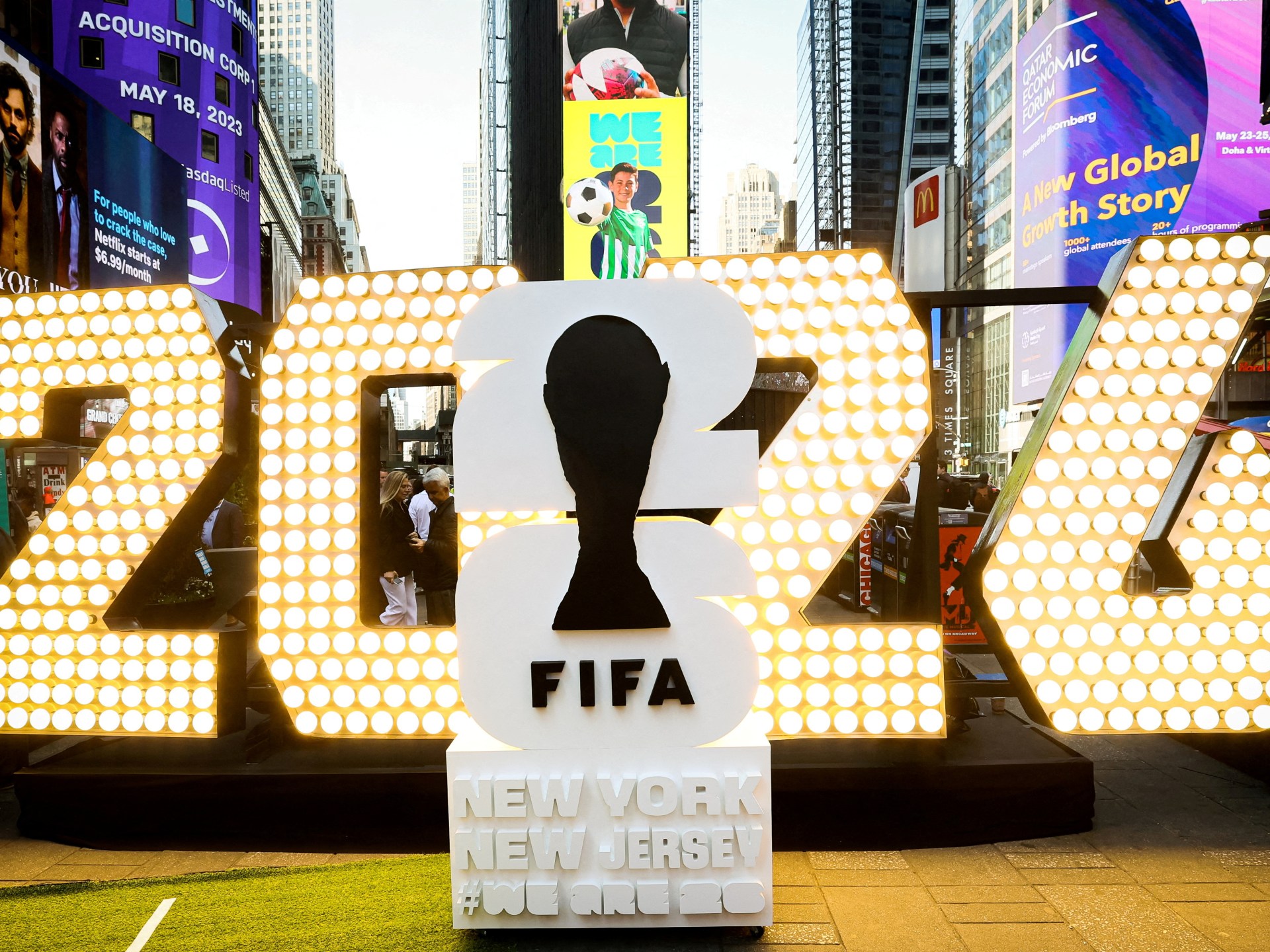
The United States will co-host the tournament with Canada and Mexico from June 11th to July 19th.
FIFA, soccer’s world governing body and tournament organizer, is not involved in the negotiations, but the prospect of an influx of fans has raised the stakes.
Unions had warned of a possible strike and urged people to avoid visiting affected hotels.
Dandapani said the possibility of a strike is a “very real threat,” pointing to recent worker actions in U.S. cities such as Los Angeles and Boston.
Dandapani said the approximately $200,000 figure reflects compensation at the end of the contract, not at the beginning.
Hotel owners have entered negotiations aiming to maintain profitability, arguing that New York’s lodging market has not fully recovered from the pandemic. He said occupancy rates are still below 2019 levels and inflation-adjusted room rates have not yet caught up.
He also cited broader pressures, including the U.S. and Israel’s war on Iran, tariffs and visa issues.
The agreement follows the city’s reversal of a proposed measure that the companies argued would significantly increase labor costs by limiting the workload of flight attendants and requiring them to double their wages above certain thresholds. Owners estimated this could have increased labor costs by about 40%.
The new deal will still increase costs, but operators expect tourism demand and major events to support revenues.
