

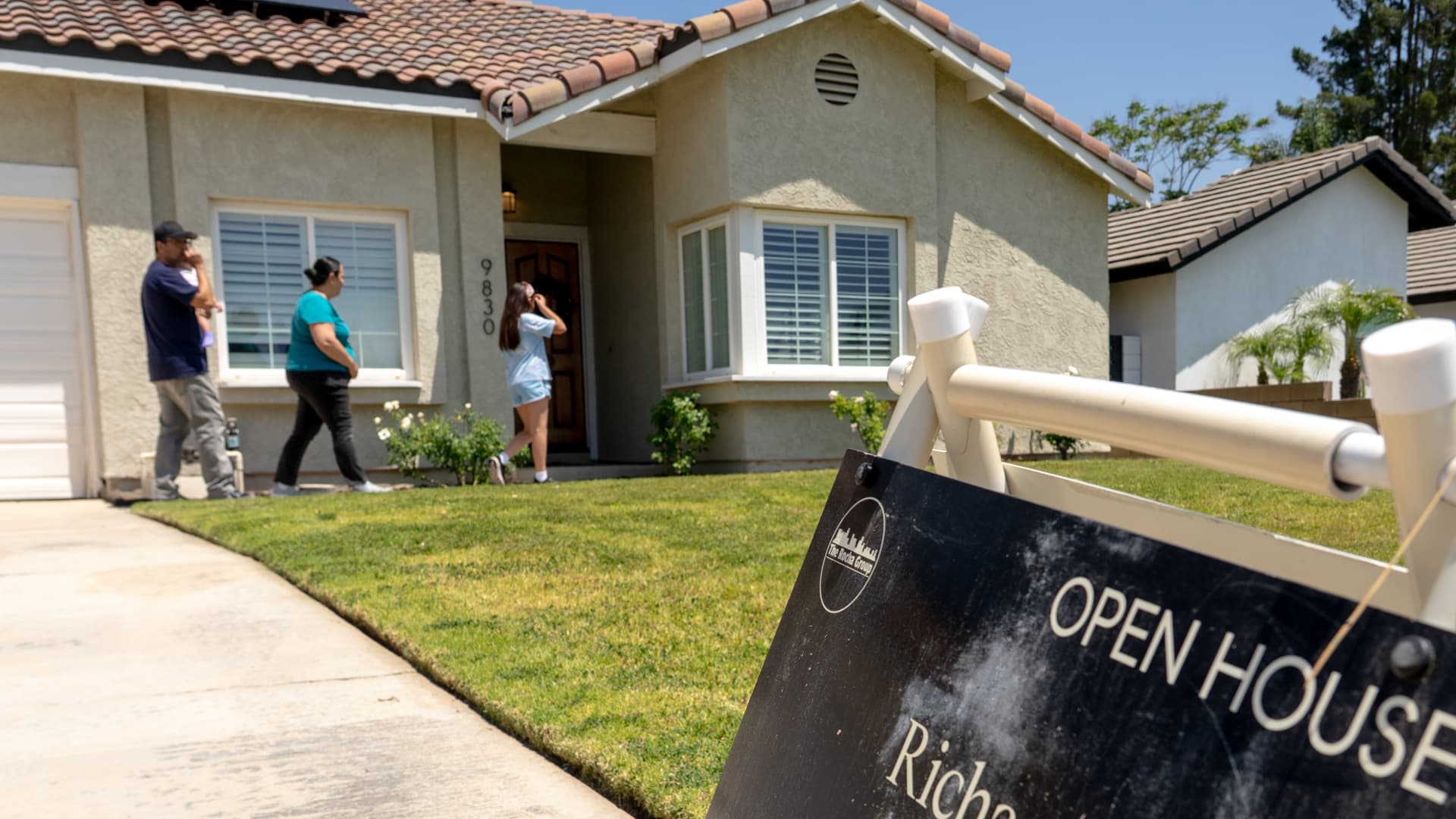

According to the National Association of Realtors, existing home sales in April were almost flat compared to March, increasing by a seasonally adjusted annual rate of 0.2% to 4.02 million units. Housing analysts had expected a rise of more than 3%.
Sales in April were flat compared to the same month last year. This number is based on closings, so deals may have been signed in late February or March. According to Mortgage News Daily, the average interest rate on a 30-year fixed mortgage ended March in the low 5% range, but has since skyrocketed due to the start of the U.S.-Israel war with Iran.
“Despite mixed macroeconomic signals, including record high stock market levels and historically low consumer confidence, home sales received a modest boost from continued improvement in home affordability,” NAR Chief Economist Lawrence Yun said in a release. “Mortgage rates are lower than they were a year ago, and average income growth is outpacing home price growth.”
Inventories in April increased by 5.8% compared to March, but only by 1.4% compared to April of the previous year, resulting in 4.4 months’ worth of supply. This is still considered tough, as six months’ supply represents a balanced market between buyers and sellers.
“We really need a 30% increase in inventory, but we don’t see that happening,” Yun said. “There are still multiple offers in the works, although not as many as a few years ago. At the same time, days on market are increasing on average, suggesting consumers are taking their time before making a decision.”
That drove up prices. The median price of homes sold in April was $417,700, up 0.9% from a year ago. This is the highest value NAR recorded in April.
The average number of days on the market was 32 days in April, up from 29 days in the same month last year. First-time buyers accounted for 33% of sales for the month, down slightly from last year. A quarter of all sales were in cash, unchanged from last year.
Mortgage interest rates remain high, starting this week at 6.42%. Other reports this month indicate that pending sales rose slightly in April and May, but supply is tight again. As a result, prices will continue to rise.
