

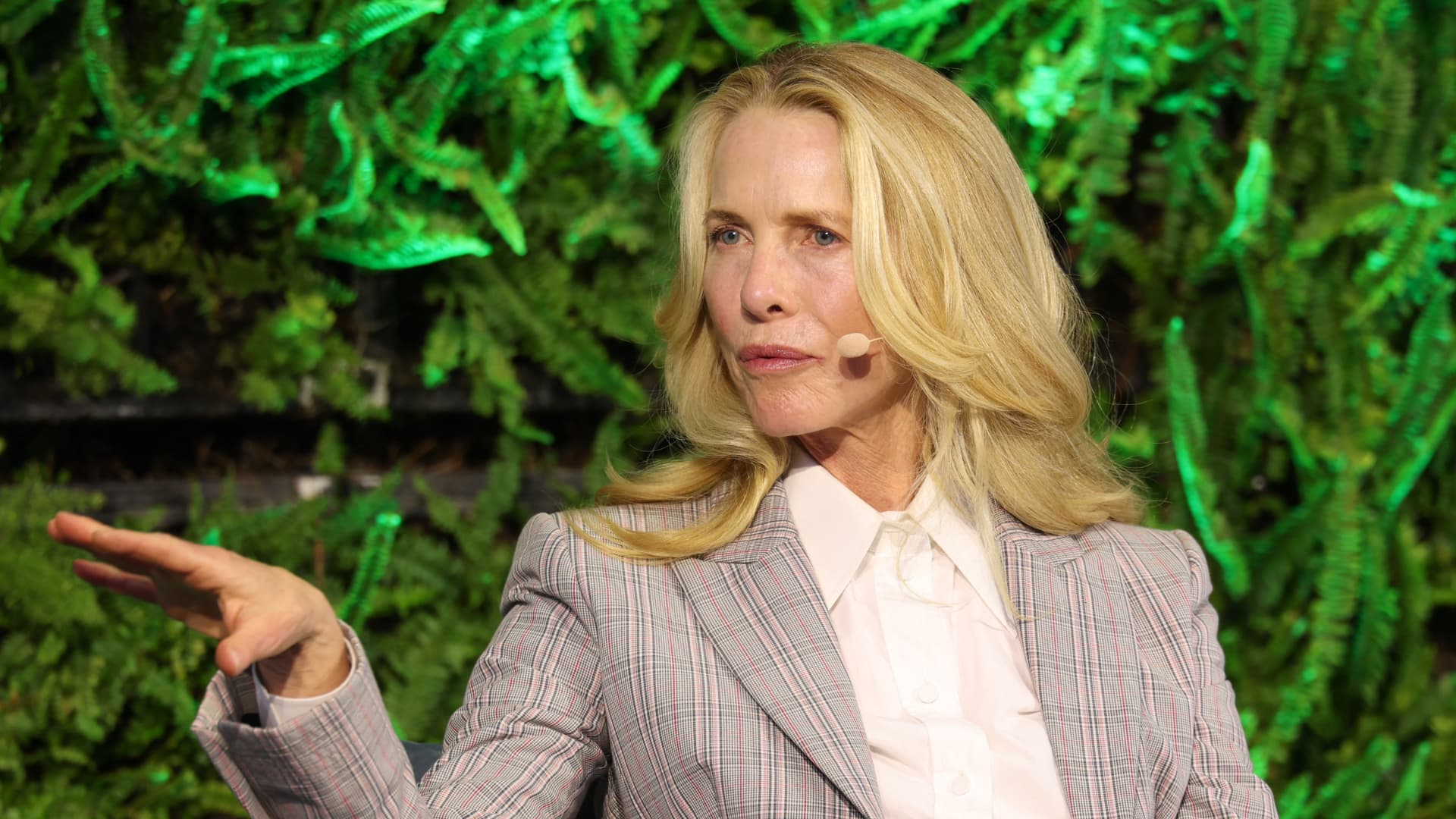
Emerson Collective Founder and President Laurene Powell Jobs speaks at the 29th Milken Institute Global Conference at the Beverly Hilton on May 4, 2026 in Beverly Hills, California.
Patrick T. Fallon | AFP | Getty Images
A version of this article first appeared in CNBC’s Inside Wealth newsletter by Robert Frank, a weekly guide for high-net-worth investors and consumers. Sign up to receive future editions directly to your inbox.
Ultra-wealthy investment firms ramped up trading in April after the economy slumped the previous month in the wake of the outbreak of the Iran war.
Family offices made 55 direct investments in companies last month, up from 39 in March, according to data provided exclusively to CNBC by private wealth intelligence platform Fintrx.
Nearly a third of April’s investments went to healthcare and life sciences companies.
Laurene Powell Jobs’ investment and philanthropy firm, Emerson Collective, participated in two startup funding rounds: Ultralight’s seed round and Stipple Bio’s Series A round. Ultralight, an artificial intelligence software platform for personalized healthcare, has raised $9.3 million in seed funding from Emerson Collective and other investors. Stipple Bio, which develops targeted cancer therapies, raised $100 million in a round co-led by Andreessen Horowitz.
Family office healthcare investments are often inspired by personal experience. Emerson Collective’s investment in Stipple Bio was managed by Yosemite, an oncology-focused venture fund founded by Powell and Steve Jobs’ son Reed Jobs. of apple The co-founder passed away in 2011 from complications from pancreatic cancer.
Also in April, Dolby Family Ventures participated in a €53 million ($62 million) Series B round in Exciva, a company developing a treatment for agitation in Alzheimer’s patients. The impact-driven family office was founded by David Dolby in 2014, about a year after his father, billionaire engineer Ray Dolby, passed away from complications from Alzheimer’s disease and acute leukemia.
A survey released in February by JPMorgan Private Bank found that half of family offices cited medical innovation as their top investment theme, second only to artificial intelligence (65%).
This influx of private capital comes at a time when federal funding for medical research has been reduced and suspended. The Trump administration’s budget proposal released in April calls for cutting an additional $5 billion from the National Institutes of Health.
