

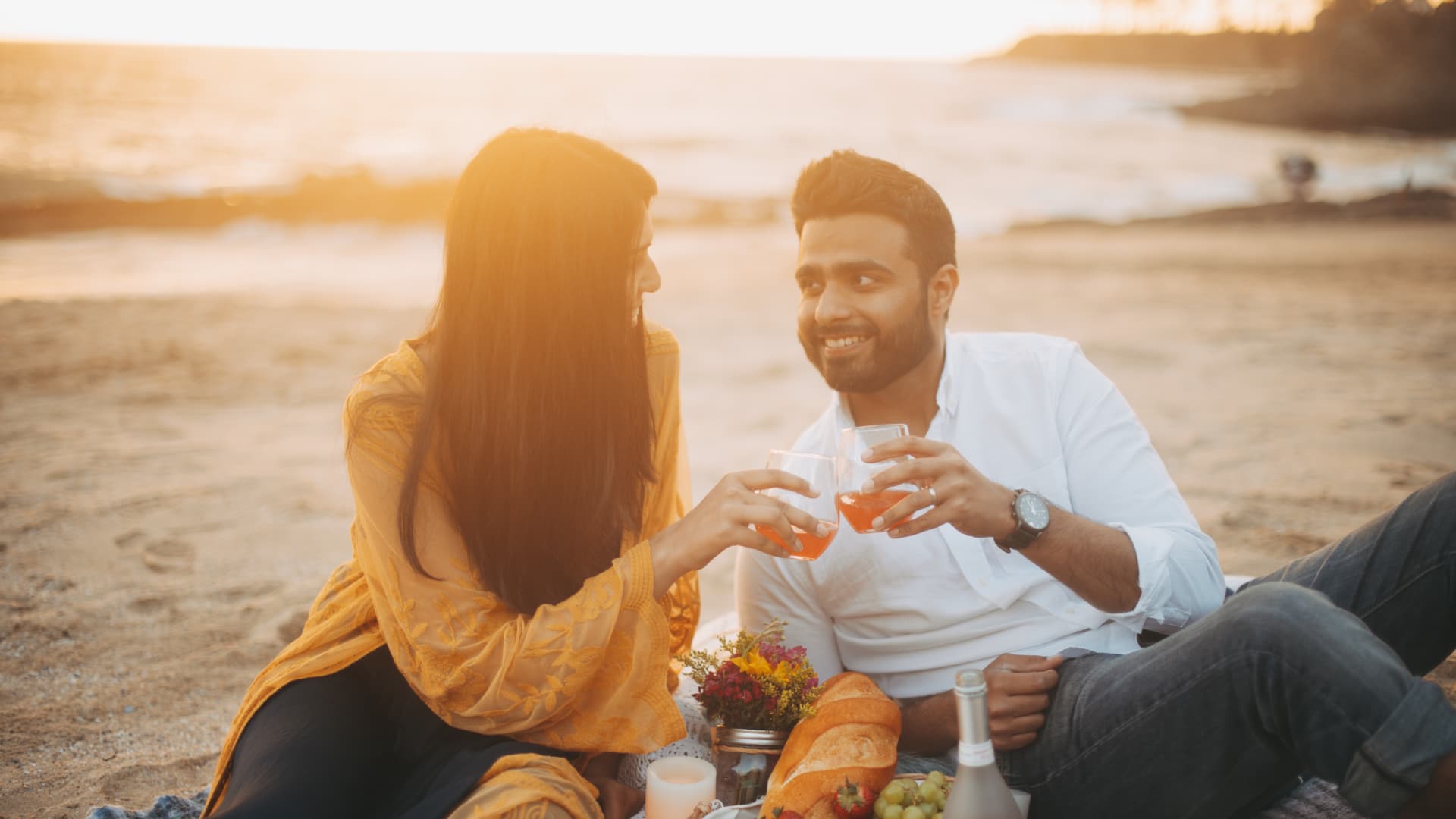

For many young Americans, dating is becoming as much a financial matter as it is a romance.
According to BMO Financial Group’s 2026 BMO Real Financial Progress Index, half of single Americans surveyed said they are going on fewer dates or choosing cheaper activities because of rising costs. The bank conducted a survey of 2,501 adults between late December and January.
Not only that, but 48% of Gen Z adults and 40% of Millennials surveyed said the high cost of dating is holding them back from achieving their financial goals. According to BMO, a single date costs an average of $205 for Gen Z adults and $252 for millennials.
According to the survey, nearly half of singles, 47%, said dating is not worth the money.
This is just one of many affordability pressures these days. Consumers are struggling with rising costs for essential goods such as gasoline, groceries, housing and health insurance, reflecting a combination of factors, including the ongoing war with Iran and energy shocks related to President Donald Trump’s tariff policies.
“We’re seeing the cost of living go up, people going on dates less often, and the views and perceptions of dating going down,” clinical psychologist Sabrina Romanoff told CNBC. “We’re seeing fewer people eating out and less tolerance for high-risk gatherings.”
Higher costs lead people to date ‘defensively’
For Gen Z, the cost of dating can add up quickly.
According to BMO data, the typical Gen Z American went on about nine dates in the previous year. That means your annual expenses will be approximately $1,845. This total includes not only the actual expenses incurred during the date, but also expenses leading up to the date, such as transportation and grooming.
Using Bureau of Labor Statistics data on full-time workers, this equates to approximately 3% to 5% of the median annual income for workers ages 16 to 34.
Romanoff added that rising costs are making people “more defensive” when it comes to dating, “missing opportunities and forming fewer connections.”
That dynamic is reflected in how young daters talk about their first dates.
David Quan, 21, a student at Columbia University, said the economics of dating can make every outing feel like a gamble.
“There’s a very good chance something could go wrong,” he said. “And that $40 dinner bill goes down the drain on someone you may never talk to again.”
Leo Gabriel, 22, of New York City, said he also tries to keep first dates affordable.
“I’ll probably spend about $45 to $50,” he said. “It’s enough not to go bankrupt.”
All in all, Gabrielle says her budget for dating is about $150 to $200 a month.
“Why would you spend $100 on someone you can’t even be with?” he added.
It costs money to find a date.
The cost of the date itself is only part of the story. For millions of users, finding a date means paying for an app. Pew Research Center found that 35% of dating app users paid a fee for one of the platforms in 2022. According to a study by Morgan Stanley, the average user of paid dating apps spent about $19 a month in 2023.
“Many of these apps engage in what is called a ‘freemium’ premium strategy,” says Pinar Yildirim, a Wharton associate professor who studies online platform economics. “Even though you can sign up for free, you may have to pay a subscription price to access some of the more desirable features.”
This model is becoming more important as Americans change the way they meet. A widely cited 2019 study by researchers at Stanford University and the University of New Mexico found that from the end of World War II until 2013, the most common way heterosexual couples met in the United States was through friends. Currently, the mainstream path is online.
“One of the things that online dating apps and online dating platforms in general have been able to bring to our lives is acceptance of a wider range of people,” Yildirim said. “They generally tend to increase the size of their pools.”
But it can also be “a little deceptive,” she added. Too many suggestions can overwhelm the user and make the interaction less likely to be meaningful.
“Even though you might meet and start conversations with so many different types of people and so many people, it’s unlikely that you’ll ever start anything beyond that initial conversation with those people on the app,” she says.
Experts say this may help explain why so many users shell out big bucks for paid dating app tiers. “It’s a pay-per-play system,” Romanoff said. “And if you have money, you might be able to get a partner or be more successful on dating apps.”
Gabriel said he briefly subscribed to Hinge because of what he called the “gamification” effect of paid upgrades.
“Psychologically it works,” he says. “You’re like, oh, I’m only going to get seen by X amount of people a day. But if I paid a little more, I’d get more people to see it.”
But the cost of upgrading dating apps varies, and consumer advocates say pricing is opaque.
A spokesperson for Match Group, the parent company of dating sites such as Match.com, OkCupid, Tinder and Hinge, told CNBC in an email that the “vast majority” of the site’s users are on the free version. “Subscriptions are optional and provide additional tools for those seeking more control or a more efficient experience, but are not required to be successful or build meaningful connections,” they state.
Bumble Inc., which operates apps like Bumble Date and Badoo, told CNBC that it aims to offer a “secure and high-quality” free tier. “There are countless couples who have found each other this way,” a spokesperson said in an emailed statement. “Our paid features cater to people in our community who are looking for a more customized experience.”
—CNBC’s CJ Haddad and Isabel Iino contributed reporting.
