

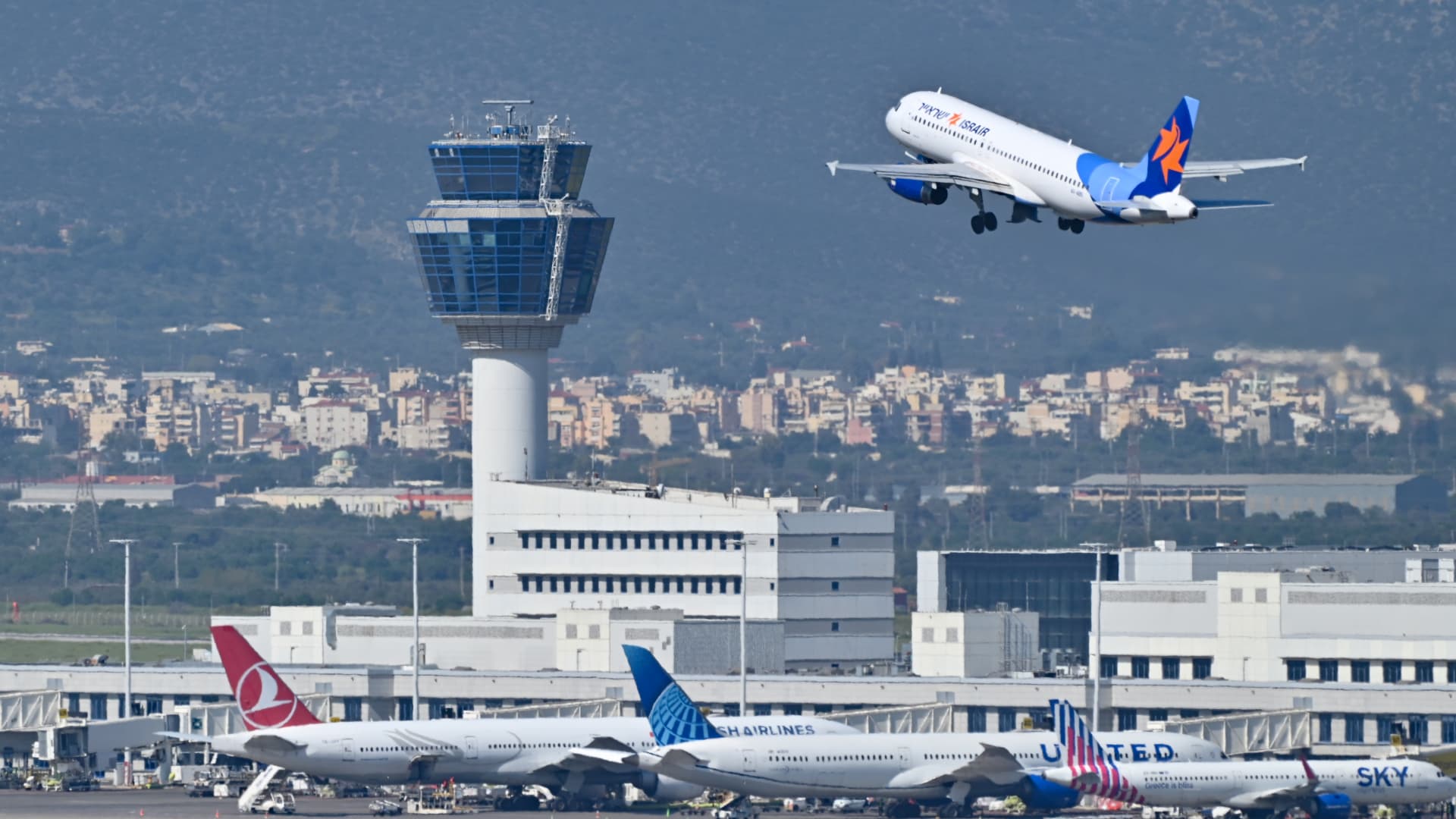
Jet fuel shortages threaten to disrupt the upcoming summer travel season as the conflict in the Strait of Hormuz escalates.
Null Photo | Null Photo | Getty Images
Peak travel season is just around the corner, but the head of the International Energy Agency told CNBC that Europe could struggle to meet soaring demand for jet fuel as the Middle East crisis continues.
IEA chief Fatih Birol said Europe needed to secure alternative sources of jet fuel as the Strait of Hormuz, which once carried about 20% of the world’s oil supplies, remained closed.
“Jet fuel demand in August was about 40% higher than in March, so demand will increase. If supplies remain at current levels, the challenge could be even greater, but we are very hopeful that Europe will import energy,” Birol said in a conversation with CNBC’s Steve Sedgwick on CONVERGE LIVE in Singapore on Thursday.

Refineries in the Middle East supply Europe with about 75% of its jet fuel, but production from these facilities is “essentially close to zero right now,” he added.
“The rest comes from some big countries in Asia that currently have export restrictions in place, and Europe is currently trying to import from the US and Nigeria. If Europe is not able to import more from these countries now, we will be in trouble,” he added.
European airlines are more at risk than their American counterparts because they rely more heavily on fuel imports.
Mr Birol warned that Europe may have to take steps to “reduce air travel”, with some airlines such as Lufthansa and SAS already reducing the number of flights as a result.
Birol warned last week that Europe could run out of jet fuel within six weeks, a warning echoed by analysts. “We are facing the greatest energy security threat in history,” Birol told CNBC on Thursday.
Several European countries rely on an economic boost from increased air travel during the summer. According to ACI Europe, air connectivity generates €851 billion (approximately $1 trillion) in GDP for the European economy and supports 14 million jobs.
Price hikes, flight cancellations
Jet fuel prices rose 103% month-on-month by the end of March, according to the International Air Transport Association.
“Airlines typically operate on single-digit operating margins and spend 20% to 40% of their revenue on fuel,” so “higher jet fuel prices are pushing the industry into operating losses,” Alex Irving, head of European transportation equity research at Bernstein, told CNBC.
Irving said the industry needs to charge higher ticket prices to remain profitable, but this risks driving away customers. Airlines will need to cut capacity and cut costs by cutting frequency to support soaring ticket prices.
Some airlines have already begun cutting back on flights and routes. german airlines Lufthansa German Airlines is cutting 20,000 short-haul flights by October, which will save 40,000 tonnes of jet fuel and reduce unprofitable flights.
Scandinavian airline SAS announced it would cancel 1,000 flights in April due to fuel costs, and Dutch airline KLM announced it would cut its number of flights by 80 due to rising kerosene costs.
low cost airlines easyjet reported a loss of between 540 million pounds and 560 million pounds ($675 million to $700 million) for the six months to March 31, and announced in March that it had taken on additional fuel costs of 25 million pounds. It warned that bookings for the rest of the year could be depressed as customers wait until later to buy tickets.
The company has hedged 70% of its summer fuel, pegging the price at $706 per tonne of jet fuel. The remainder is still subject to fluctuations in fuel prices. Irving said even if airlines increase fuel hedging to minimize exposure to volatile spot prices, they will eventually have to make cuts and raise fares.
Europeans may have to vacation closer to home
Stephen Furlong, senior transportation and logistics analyst at Davis, said airlines’ response to rising fuel prices was to “strengthen profitability.”
“Airlines are reducing frequency in some cases and increasing frequency in some cases because some routes just don’t make sense with high oil prices,” Furlong told CNBC, adding that airlines are also retiring older, less fuel-efficient aircraft ahead of schedule.
Another measure is to reduce unprofitable areas. Lufthansa announced on April 16 that it would close its subsidiary Lufthansa City Line “to reduce further losses at the loss-making airline.”
Mr Furlong said customers may choose to holiday closer to home as uncertainty continues.
“Probably in the short term, there will be increased demand for leisure travel to regions closer to home, such as Spain, Portugal and France, rather than the eastern Mediterranean,” Furlong said.
