

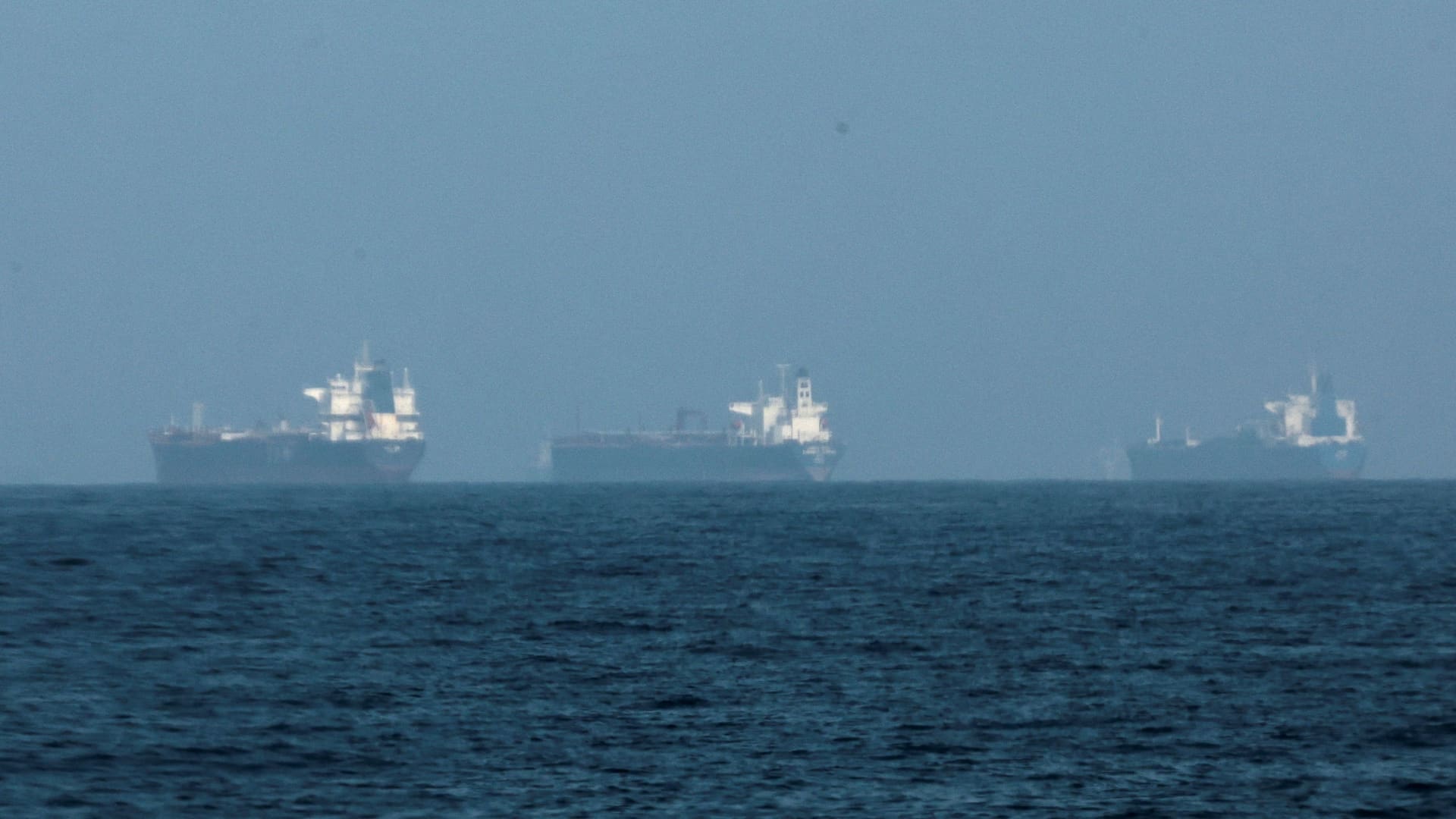
A tanker is seen off the coast of Fujairah, United Arab Emirates, March 3, 2026, amid a standoff between the US, Israel and Iran, with Iran vowing to close the Strait of Hormuz.
Amr Alfiqi | Reuters
Hello, my name is Leonie Kidd and I’m from London. Welcome to another edition of CNBC’s Daily Open.
The war in the Middle East appears to be entering its second week, and its effects are becoming more widespread. Washington, DC’s decision to lift sanctions and allow Russian crude oil to return to the market will be watched with particular concern in Europe. Iran’s new supreme leader, Mojtaba Khamenei, is also using a new “verified” account on X.com to send out further messages of revenge.
It’s a gloomy end to the week, with markets still searching for direction amid volatile volatility.
You can subscribe to the EMEA edition of Daily Open here.
What you need to know today
Buyers are already lining up for Russian crude, hours after the United States granted licenses for Russian oil stranded at sea in a bid to stabilize the energy market. U.S. Treasury Secretary Scott Bessent said in a post on Thursday that this “narrowly tailored short-term measure” would not provide “significant financial benefits to the Russian government.” The Thai government has said it is ready to negotiate a purchase, and Japan is also considering it, but India would also benefit from these sanctions relief.
This comes after Iran’s new supreme leader Mojtaba Khamenei said on Thursday in his first public statement since taking office that the closure of the Strait of Hormuz should continue as a “means to put pressure on the enemy.” Oil prices soared following Khamenei’s comments, with Brent crude oil prices exceeding $100 per barrel for the first time since August 2022.
Asian stocks were broadly lower, while European and US trade futures struggled to find direction.
Airstrikes and attacks continue as the war enters its second week. The U.S. military said Thursday that a KC-135 military refueling plane crashed while flying over Iraq and that the crash was “not caused by enemy fire.” U.S. Central Command said the incident “occurred in friendly airspace during Operation Epic Fury, and rescue efforts continue.”
Markets and policymakers appear to be bracing for further fallout, with all signs pointing to a prolonged war that continues to disrupt commodity supplies.
And finally…
Why gold hasn’t moved since the Iran conflict — and what’s next
Gold soared during last year’s 12-day war with Iran, but gave up its gains once a cease-fire was announced. But two weeks after the latest dispute, the price has barely moved.
Ross Norman, CEO of precious metals website Metals Daily, said there are several factors that could explain the lack of upward momentum, including a strong dollar and rising U.S. Treasury yields.
— Joseph Wilkins
