

Iran’s military said the US was “just negotiating with itself” and ridiculed the Trump administration’s efforts to reach a deal to end the war.
Despite President Donald Trump’s optimism that a deal with Iran is in sight, about 1,000 U.S. soldiers from the Army’s 82nd Airborne Division are expected to be deployed to the Middle East in the coming days, sources told CNN, suggesting the president is keeping his options open.
Here’s what you need to know on Day 26 of the war.

Iran mocks President Trump: Iranian military spokesman Ebrahim Zolfaghari mocked the US leadership in a message broadcast on state television on Wednesday. “Has your level of inner conflict reached the stage where you are negotiating with yourself?” he asked. Zolfagali said that America’s “strategic power” had turned into a “strategic defeat.”
Foreign minister’s comments: Iranian Foreign Minister Abbas Araghchi on Wednesday questioned the US call for negotiations, saying in an interview on Iranian TV that the US change in tone was an admission of failure after previously calling for “unconditional surrender.” He acknowledged an indirect “exchange of messages” with the United States, but denied that it amounted to negotiations.
15-point plan: The US has shared a 15-point expectation list with Iran via Pakistan, and talks between the warring countries will emerge in Islamabad later this week, two regional sources told CNN. These points include limiting Iran’s defense capabilities, ending support for its proxies and recognizing Israel’s right to exist, the officials said.
Iran lists demands: In response to the US’s 15 points, Iranian officials have outlined five conditions for ending the war, state media Press TV reported on Wednesday. These demands include specific guarantees that hostilities will not resume, compensation for war damages, and guarantees that Iran will be able to exercise its sovereignty in the Strait of Hormuz.
Iran shies away from Witkoff: Iranian representatives have informed the Trump administration that Tehran does not want to re-enter negotiations with the US president’s favorite diplomatic duo, envoy Steve Witkoff and son-in-law Jared Kushner, two regional sources said, adding that Tehran would rather negotiate with Vice President J.D. Vance.
Iran is ready to listen: Iranian sources told CNN on Tuesday that the US government has begun “outreach” in recent days, but “nothing has reached the level of serious negotiations.” The official stressed that Iran is “not seeking talks or direct negotiations with the United States, but is willing to listen if a sustainable agreement that preserves the regime’s interests is within its reach.” The Iranian government initially denied any contact with the US government, claiming that President Trump’s claims of talks were a ploy to buy time by lowering energy prices.
New leadership: White House press secretary Caroline Levitt said Wednesday that it’s “too early to say” whether the Trump administration is satisfied with Iran’s new leadership. Mr. Levitt was questioned about his comment on Tuesday that the Trump administration had “achieved regime change” in Iran, and he defended the president’s statement.
Israeli concerns: Meanwhile, Israel is concerned that the US may declare a one-month ceasefire on Iran to allow for negotiations, two Israeli officials told CNN.
What are the main headings?
U.S. military deployment: About 1,000 U.S. troops from the Army’s 82nd Airborne Division are scheduled to deploy to the Middle East in the coming days, two people familiar with the matter said, adding to the growing military presence in the region even as the Trump administration touts talks to end the war with Iran.
Strait crossing: Iran will “absolutely” continue to charge countries and ships for safe passage through the Strait of Hormuz, an Iranian Foreign Ministry spokesperson said in an interview with India Today. He said countries “that have no connection to this act of aggression” could be allowed to transit the vital waterway after “coordination with Iranian authorities.”
Philippine State of Emergency: The Philippines has declared a national emergency due to the Iran war. The US ally’s leader warned of “imminent danger” to the “availability and stability of the nation’s energy supply.” Meanwhile, the de facto blockade of the strait is “economic terrorism against all nations,” said Sultan Ahmed Al Jaber, CEO of Abu Dhabi National Oil Company.
Iran death toll: More than 1,750 people have died in Iran since the war between the US and Israel began, the state-run Islamic Republic News Agency (IRNA) reported today, citing Iranian officials. This is the first complete death toll released by Iranian officials in recent weeks.
Israel to increase mobilization: Israel will approve a significant increase in the number of reservists it can mobilize, setting a new cap from 280,000 to 400,000. Defense Minister Israel Katz said the military would continue operations against Hezbollah in Lebanon, with a particular focus on controlling the Litani River and its remaining bridges.
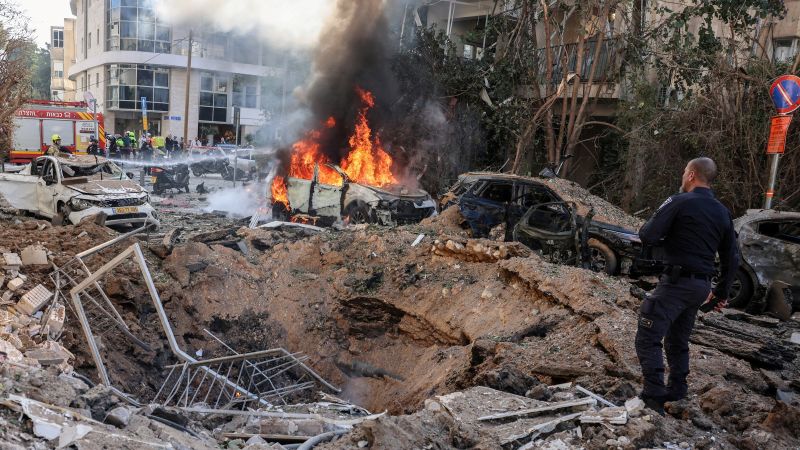
More attacks: A drone crashed into a fuel tank at Kuwait International Airport, causing a fire at the scene, the country’s civil aviation authority said early Wednesday. Iran’s Atomic Energy Organization said a projectile hit the grounds of the Bushehr nuclear power plant on Tuesday night, describing the incident as a “new attack” by the United States and Israel.
Oil prices fall: Oil prices fell on Wednesday and stock markets rebounded after President Trump suggested a deal with Iran could be near, despite ongoing strikes across the Middle East. Brent crude oil, the world benchmark, fell to $99.5 per barrel.
North Korea’s nuclear arsenal: North Korean leader Kim Jong-un told Congress that the Iran war proves the country was right to keep its nuclear arsenal. He called the U.S. actions “state-sponsored terrorism and invasion.”
Japan’s oil reserves: Japan will begin releasing 30 days’ worth of oil from state-owned reserves starting Thursday to minimize economic disruption from the closure of the Strait of Hormuz. Thursday’s release is part of a broader plan to release up to 45 days’ worth of oil in total, making it Japan’s largest release.
Iranian Security Chief: Following the killing of Ali Larijani in an Israeli attack last week, Iran has appointed Mohammad Bagher Zolgadol, a veteran of the Islamic Revolutionary Guards Corps (IRGC), as head of national security. Zolgadol is a supporter of Supreme Leader Mojtaba Khamenei, and analysts say his elevation signals that Khamenei is tightening his grip on power.
U.S. casualties: About 290 U.S. military personnel were injured during combat operations targeting Iran as of Tuesday, up from about 200 last week, according to a U.S. Central Command spokesperson.
