

MIAMI (AP) — An unnamed storm and unusual spring tides caused some flooding along the Carolina coast early Friday as tropical storms formed along the Atlantic and Mexico’s Pacific coasts.
About a dozen streets were already flooded in Charleston, South Carolina, and the city offered free parking in some garages. a high tide 8.5 feet (2.6 meters) of rain is forecast for Friday morning, which would be the 13th highest in more than 100 years of recorded data at the Port of Charleston.
An unnamed coastal storm and unusually high king tides, when the moon is closer to Earth than usual, threatened days of strong winds that could cause coastal flooding, especially along North Carolina’s vulnerable Outer Banks and around Charleston.
The worst weather is expected along the Outer Banks from Friday through the weekend, forecasters said. They warned that there was a possibility that Highway NC12 On Hatteras Island and Ocracoke Island Probably needs to close again Due to ocean overwash.
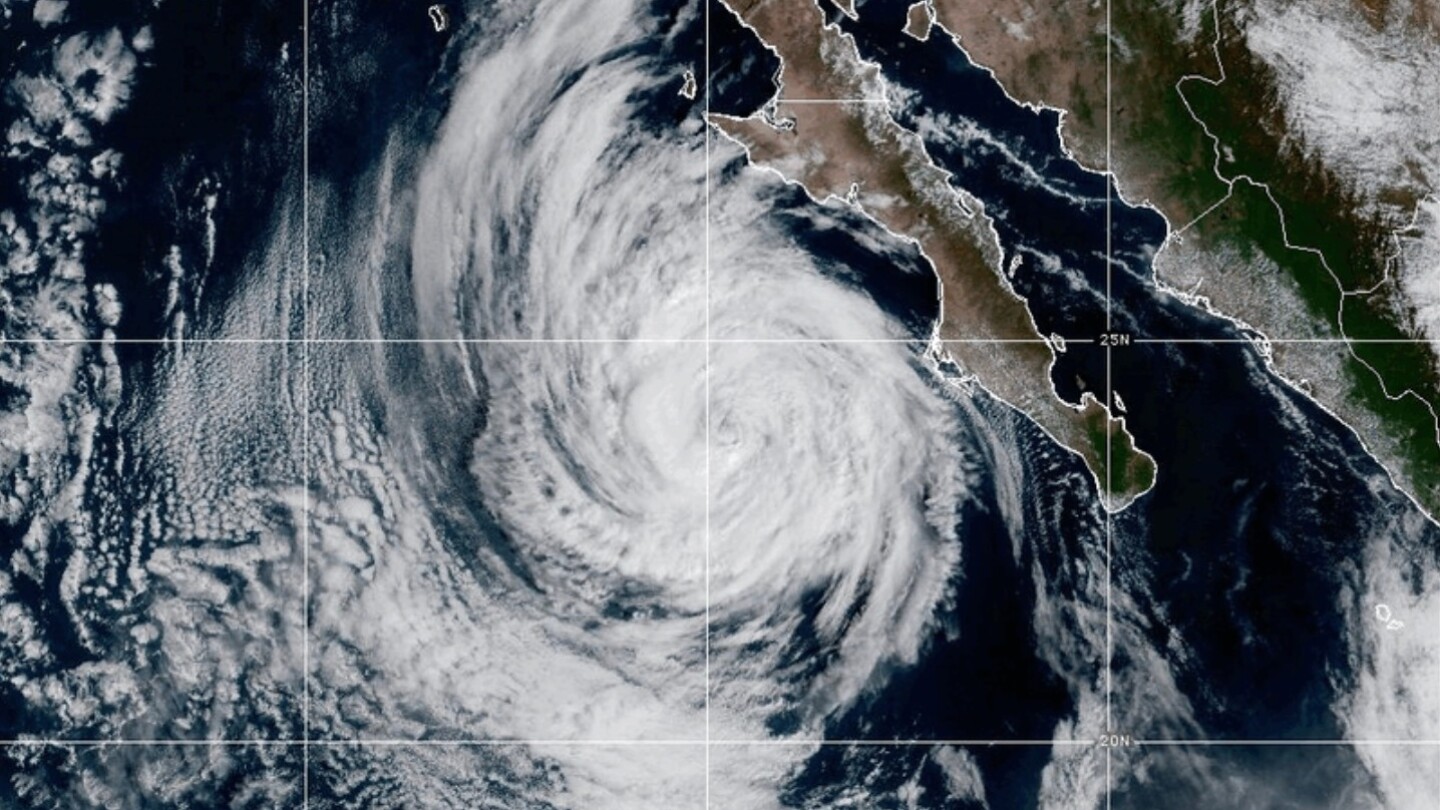
In the Pacific Ocean, Tropical Storms Priscilla and Raymond could bring heavy rain to the coast of Mexico, and Priscilla could cause flash flooding across the southwestern United States over the weekend. Flood watches have been issued for parts of Arizona, California, and Nevada.
Priscilla was centered about 190 miles (300 km) west-northwest of Cabo San Lazaro, Mexico, and was moving north at 6 mph (9 kph), with maximum sustained winds of about 50 mph (85 kph).
A tropical storm warning related to Raymond has been issued from Zihuatanejo to Cape Corrientes, Mexico. Raymond is expected to remain off Mexico’s southwest coast until Friday, approaching Baja California Sur state on Saturday and Sunday.
Raymond was located approximately 150 km south-southeast of Zihuatanejo, Mexico. Forecasters said maximum sustained winds were 80 km/h, moving west-northwest at 15 mph (24 km/h).
In the Atlantic, Jerry was passing east of the northern Leeward Islands, causing heavy rain. Guadeloupe authorities warned of possible power outages.
Jerry was centered about 65 miles (100 km) east-northeast of the northern Leeward Islands and was moving northwest at 16 mph (26 kph) with maximum sustained winds of 60 mph (95 kph).
A tropical storm warning is in effect for Barbuda and Anguilla, St. Barthelmy and St. Maarten, St. Maarten and Guadeloupe, and neighboring islands. According to the Hurricane Center, a tropical storm watch has been issued for Antigua, St. Kitts, Nevis, Montserrat, Saba and St. Eustatius.
The storm is expected to strengthen to a hurricane by Saturday. A northeastern influence expected to bring rain and high surf to the southeastern United States is helping steer Jerry away from the islands and toward the open Atlantic Ocean, forecasters said.
Also on Thursday, subtropical cyclone Karen formed far from land in the North Atlantic. Karen had maximum sustained wind speeds of 45 mph (75 kph) and was expected to maintain that strength throughout the day.
According to the National Weather Service, subtropical cyclones tend to have stronger winds over a wider area, farther away from the center, and more heavy rainfall than tropical cyclones.
With about seven weeks left in the 2025 Atlantic hurricane season, meteorologists warned: Pacific cooling pattern La Niña is back, distorting weather around the world and potentially turbocharging hurricanes.
Although it may be too late in the hurricane season to affect the tropical Atlantic climate, this la niña Other impacts are likely, ranging from heavy rains to droughts around the world.
