

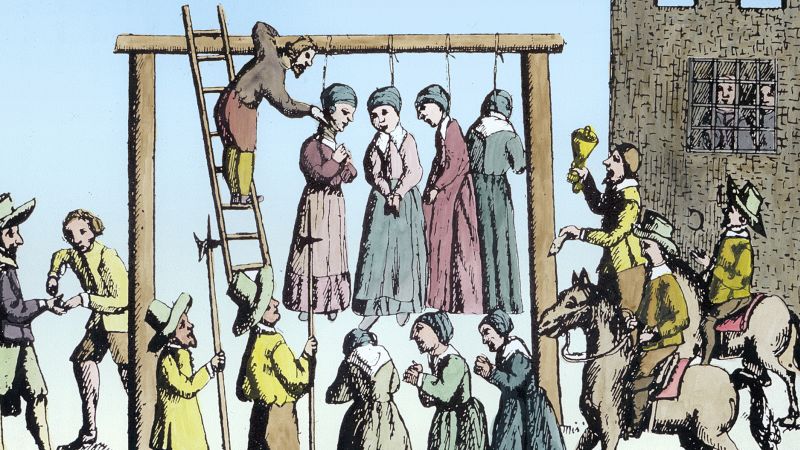
Although the women accused in colonial America’s infamous Salem Witch Trials were long ago pardoned, the convictions of hundreds of British women executed under similar laws still officially remain. Now, one local authority in the south of England is campaigning to change that.
Decades before Salem, hysteria over witchcraft was already rampant across England, perhaps nowhere more so than in London and the neighboring counties of Kent and Essex in the south-east.
The British Parliament estimates that between 1560 and 1700, more than 500 women were tried for witchcraft in the south-east. 112 of them were executed.
However, the trial that took place in Maidstone, Kent in 1652 stands out for its scale and public interest.
A court was held on 30 July of the same year, near today’s Maidstone Town Hall. Maidstone Borough Councilor Clare Cahilly told CNN that 32 people had been charged with charges ranging from theft to murder to witchcraft. Six women accused of bewitching and killing a 10-day-old infant, her mother and a 3-year-old child have become the focus of the town’s attention, she said.
In the summer of 1652, the town was “buzzing with excitement,” Kehilly explained. “People came from all over London to witness what was going on. This was the biggest thing we’ve had here in a long time.”
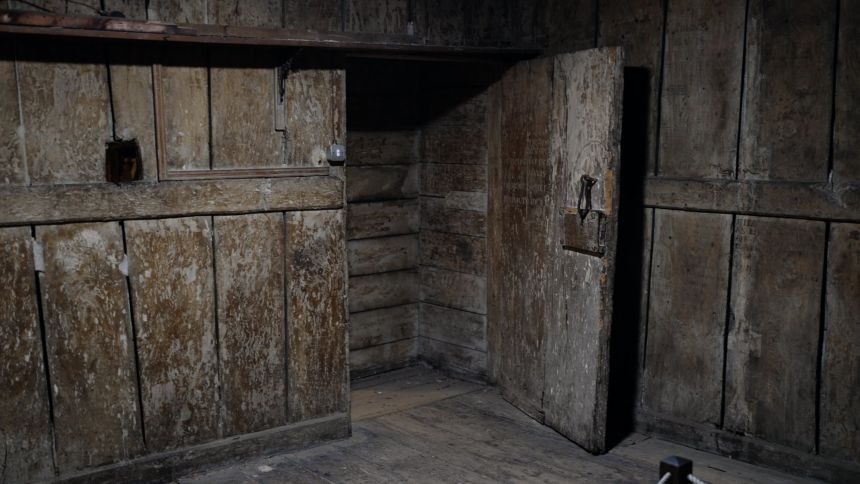
The defendants were once held in a small, dark prison on the first floor of the courthouse, but are now tucked away in the attic of the rebuilt City Hall.
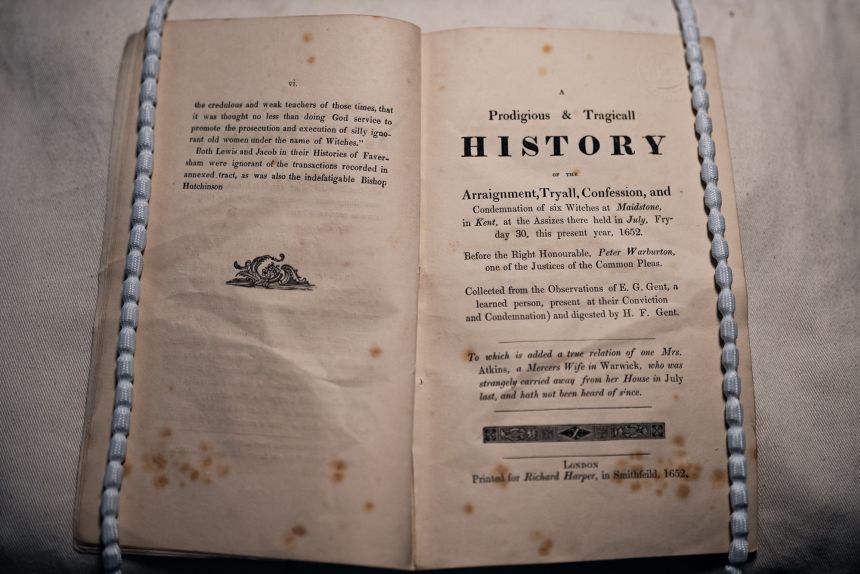
The trial was so infamous that a special pamphlet was published soon after entitled ‘The Amazing and Tragic History of the Arraignment, Trial, Confession and Conviction of the Six Witches’, and Maidstone Council owns a rare replica of it.
The document includes bizarre and unconfirmed claims, including a woman bloated to a “huge, monstrous size” in front of a courtroom and a woman whose “nipples are visible under her tongue.”
Three women were found guilty after failing a shoddy test involving pins stuck in their arms. The women “didn’t feel it and there was no blood,” according to the court report.
The other two confessed to being impregnated “not by anyone but by the devil,” the documents said.
All six were found guilty of “the heinous crime of witchcraft” and sentenced to death.
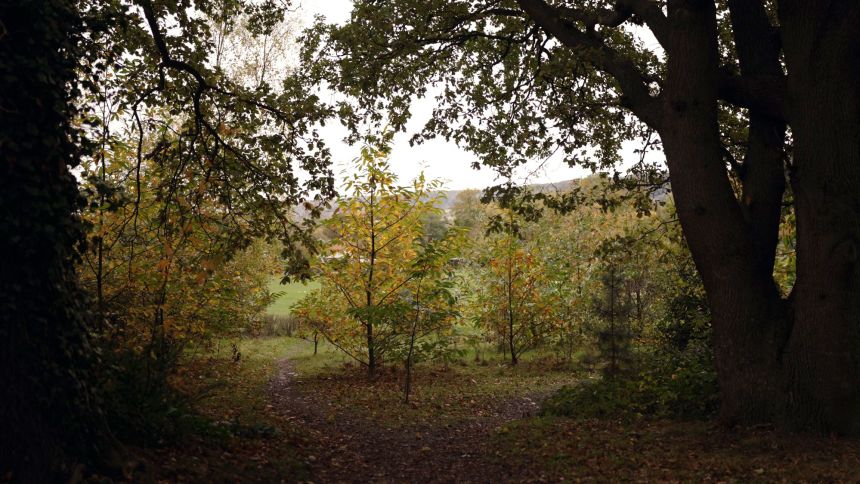
Their executions took place on Penenden Heath, now a quiet park with a football field and woodland.
“They were dragged onto the heath on a hurdle, a cart,” Maidstone Borough Councilor Tony Harwood told CNN. “Thousands of people came to watch. Public executions were entertainment, but they were also a means of control.”
“They were women of all ages,” Harwood continued. “Very vulnerable people who have no idea what’s going on or why they’re in this situation. You just have to understand the absolute horror of these events, and that’s partly behind it: those in power who are trying to instill fear.”
Harwood described the horror and spectacle of the scene. “Public executions – it was an event with public participation. Thousands of people would take part. There was a wave of crime around, pickpockets, theft, a lot of complaints. That’s why the execution site at Penenden Heath was moved several times, because of the influence of the thousands of tourists who came to watch it,” he said.
“Some people may have just come to watch the show. Some people may have been appalled by what was going on. Some people may have been excited about it.”
After the execution, the body was disposed of without any ceremony. “Human remains are often found when roads are widened or housing is built,” Harwood added.
On the edge of Penenden Heath, a small stone plaque commemorating these women, alongside those of many others executed at this site, is the only trace of the atrocities that took place.
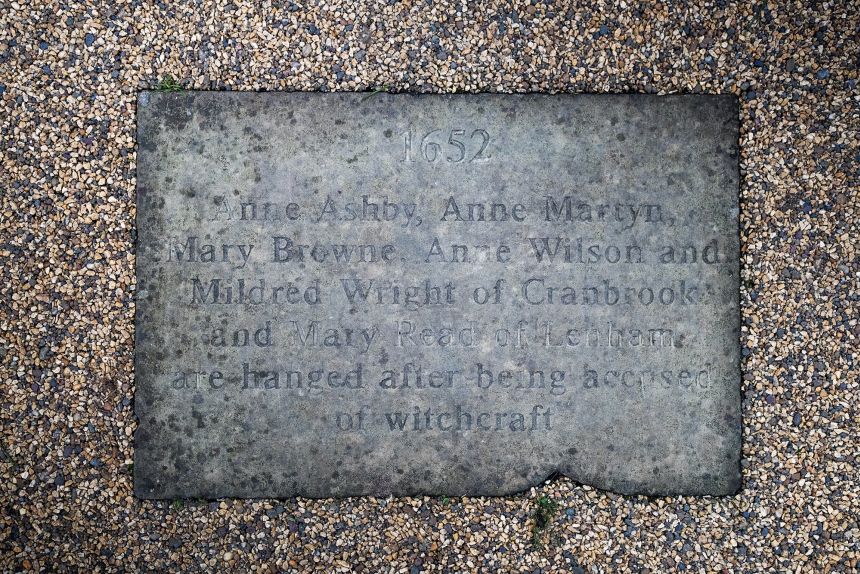
Although the frenzy over witchcraft in Britain died down in the decades following the Maidstone trials, and all laws criminalizing witchcraft were long ago repealed, the convictions of these women, and hundreds of others like them, remain.
After almost 400 years, Maidstone Borough Council is calling for change.
The council’s leader, Stuart Jeffrey, has written to Home Secretary Shabana Mahmood asking the British government to introduce legislation to grant a general amnesty to those executed under the Witchcraft Act of 1562, including the woman hanged at Penenden Heath in 1652.
“Justice is timeless,” Harwood said. “These horrific evils committed from 1542 to the mid-18th century have resonance throughout the ages. They cannot simply be glossed over.”
“We need to set the record straight. These are innocent and vulnerable people who were brutally and judicially murdered, often for political or personal gain. That injustice will resonate through the ages.”
Ms Kehilly said the trial was “a very early form of violence against women and girls. It still happens today. They were scapegoated.”
“By highlighting this, we need to remind people that something like this happened and make sure it doesn’t happen again,” she added.
“Addressing the wrongs that have been committed means trying to right them, learning from history and bringing it to the fore. This issue is not going away.”
Mr Maidstone’s campaign is undertaking similar efforts in other parts of the UK to tackle historical injustice.
In 2022, Scotland’s first minister, Nicola Sturgeon, issued a formal apology to the thousands of people, mostly women, who were accused and executed under the country’s witchcraft laws between the 16th and 18th centuries. The apology comes after an ongoing campaign by historians and activists who claim victims were persecuted because they were poor, vulnerable or simply different.
There is also precedent for pardons by Congress.
In 2013, Queen Elizabeth II posthumously pardoned World War II codebreaker Alan Turing, who was convicted under laws criminalizing homosexuality, and in 2017 the British government extended the pardon to thousands of other gay and bisexual men convicted under similar laws. This law, known as the Turing Act, was an important step in recognizing the unjustifiability of discriminatory legislation.
Maidstone councilors hope a similar approach can be taken to address the legacy of witchcraft laws.
“This is about justice,” Harwood said. “We have seen the government take steps to right the wrongs of the past, and now it is time to do the same for the women who were judicially murdered under the guise of witchcraft.”
A Home Office spokesperson told CNN the government would respond to the council’s letter “in due course.”
