

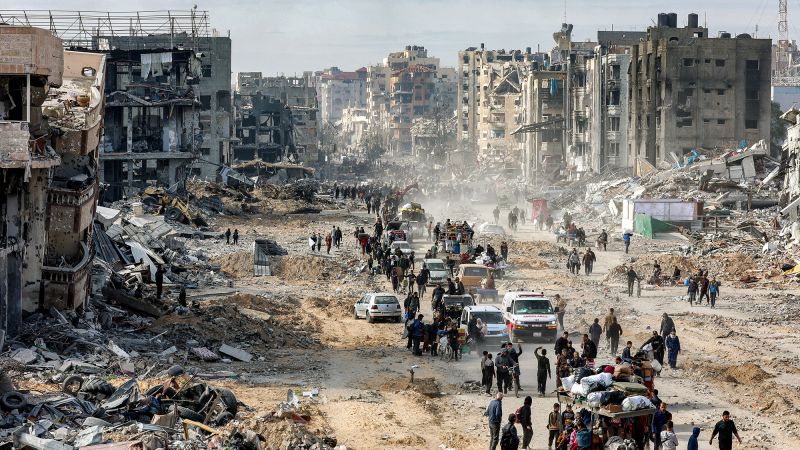
Two years have passed since Israel began its war in Gaza, and life in the enclave has never been more difficult.
At least 67,173 people have been killed and another 169,780 injured, making one in nine people alive in Gaza before the war injured or dead, the enclave’s health ministry reported on Tuesday.
“Man-made” starvation has spread throughout the territory, leaving the majority of people without homes and livelihoods. Despite the current indirect ceasefire negotiations between Israel and Hamas in Egypt, many have lost hope.
Israel began the war after an October 7, 2023 terrorist attack in which Hamas and its allies killed more than 1,200 people and took 251 hostages in Gaza.
Israel’s conduct in the war was such that international experts, including the International Association of Genocide Researchers, Israel’s two main human rights organizations, and an independent United Nations investigation, have concluded that Israel committed genocide against Palestinians in Gaza, a charge that the Israeli government consistently denies.
For the people of Gaza, life has long been about survival. About trying and almost always failing to secure basic necessities for your loved ones.
Below are some of those stories shared with CNN via text and phone calls.

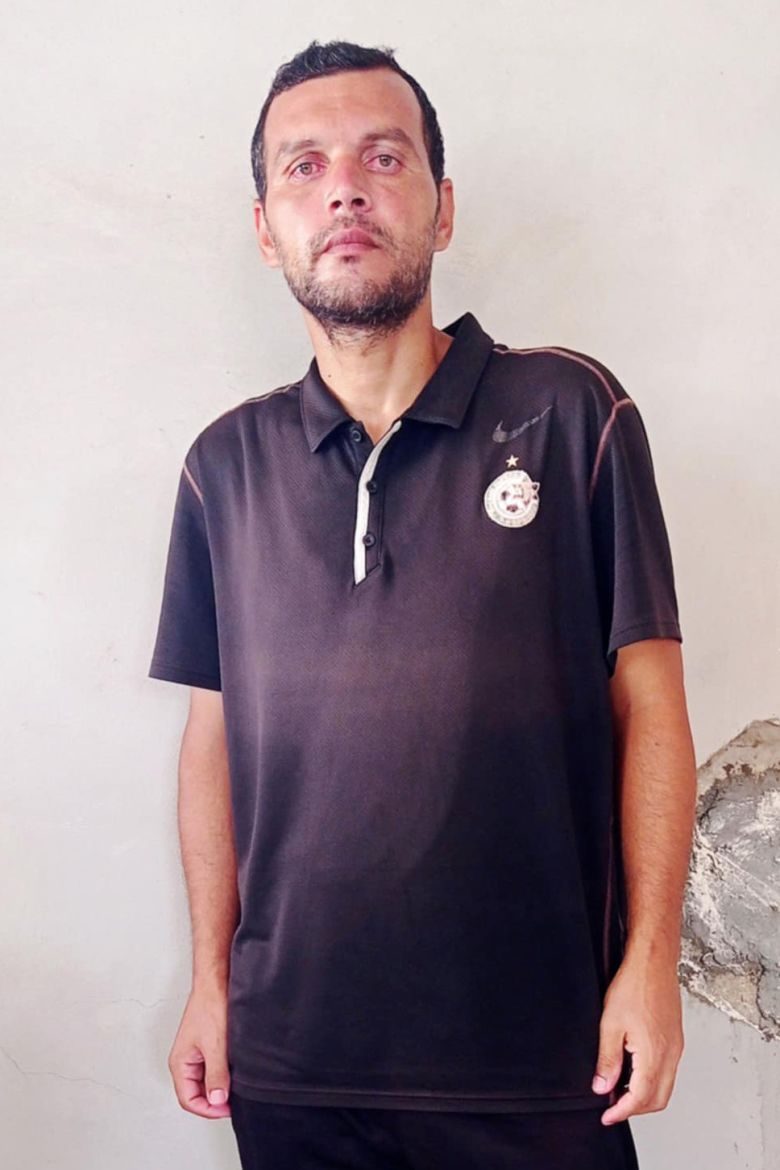
Mahmoud Nabil Faraj and his family have survived on one meal a day for months. But she said there were many times when she had to cut out food altogether to at least make sure her 7-year-old son and 5-year-old daughter had something to eat.
“These are the most difficult days we have ever lived,” he told CNN. “Our children are being deprived of the basic food they need to grow, and our bodies are becoming weak and weakened due to lack of nutrition.”
Now, most of the time there is no food or water, he said. “We barely meet the minimum requirements for survival, if at all. There is no fruit at all. No milk or dairy products available. 100% no eggs. No meat or poultry available.”
He said many people, including himself, now suffer from frequent dizziness due to persistent low blood sugar.
“The prices of essential goods are going up… God only knows how we will be able to afford even that one meal,” he told CNN. Currently, he said, 1 kilogram (2.2 pounds) of sugar sells for $150 when available (though not often).
Before the war, Faraj ran a grocery store and his wife ran an optometry center in Shujaiyah, east of Gaza City. He said both stores were destroyed in the Israeli attack and his home was also destroyed. They fled the area before the attack.
“We ate the finest food and wore the finest clothes,” Mr Farage said. “Now we are evacuating to western Gaza.”
Mr Faraj said his weight was 253 pounds before the war started two years ago. Currently, he weighs less than 154 pounds.

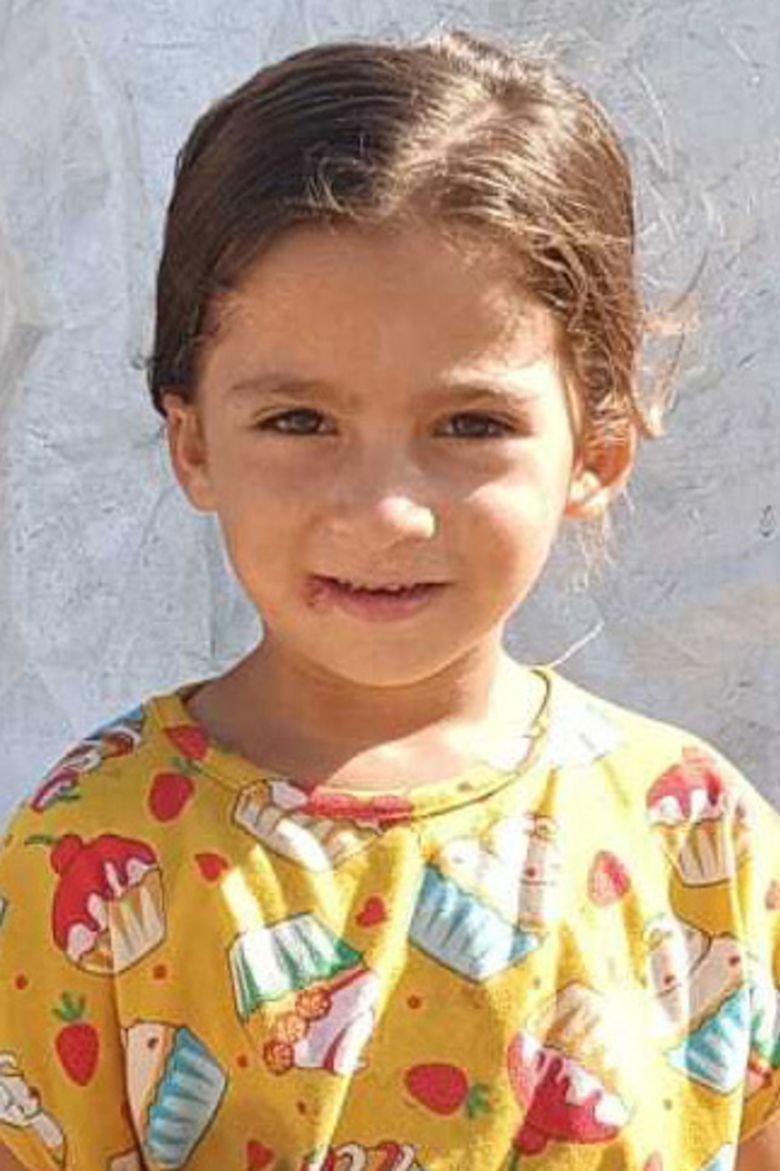
Raghad Izzat Hammouda has suffered from hunger and malnutrition for months, surviving on a meager diet of mostly canned food.
However, she is most worried about her six younger brothers.
“They had beautiful dreams. They aspired to travel, to get an education, to get good qualifications. But now their biggest dream is to collect firewood, draw water, eat a bite of bread and be happy. Can you imagine that?” the 20-year-old from Gaza City told CNN.
She said her parents often skip meals and feed their children all the food they have.
“My mother and father are in great pain, like all parents in Gaza, when they see their children thirsty and hungry and crying,” she said.
Hammouda said there is no fruit or meat in Gaza’s markets, and the few vegetables available remain extremely expensive and unaffordable.
“Before the war, my family’s food was diverse…but now, unfortunately, none of that is available,” she said. “Currently, all our food consists of canned goods, fava beans, peas, canned meat, etc., and legumes such as chickpeas, lentils, and beans.”
She said she had lost 10 relatives in the war, including her 80-year-old grandmother Tamam, who was killed by Israeli forces.
“They didn’t allow her to be buried until a week after her death,” she said.


Mohammed Saeed Al Khatib was stunned when he saw a photo of himself taken by a friend.
“I was shocked at how much my appearance had changed. I don’t have a mirror anymore and I haven’t seen myself in a long time,” he told CNN.
Al-Khatib believes he has lost more than a third of his weight since the war in Gaza began, going from 143 kilograms (315 pounds) to about 90 kilograms (200 pounds).
The 42-year-old comes from Gaza City’s al-Zahra neighborhood, which was once one of the most beautiful areas in all of Gaza.
For the past two years, it has been ravaged by relentless Israeli air and ground attacks.
“Children’s lives have changed dramatically. They have no school, no medical care, no proper food, no clean water. Disease surrounds them from all sides,” he said.
Al Khatib has four children: Saba, 12 years old, Hussein, 9 years old, Julia, 4 years old,
Hassan is only 2 years old.
Al-Khatib’s home and almost everything his family owned is long gone. He said they had been forced to evacuate more than six times and were living in tents and rented apartments across Gaza.
Finding food and water is a daily struggle, he says. At many points over the past two years, al-Khatib and his family had no choice but to take desperate measures to survive.
“We used rotten flour that was infested with bugs and insects, washed and ate rotten vegetables, consumed rice that was not fit for human consumption, ate expired canned food and drank unsafe water just to feed our children,” he said.
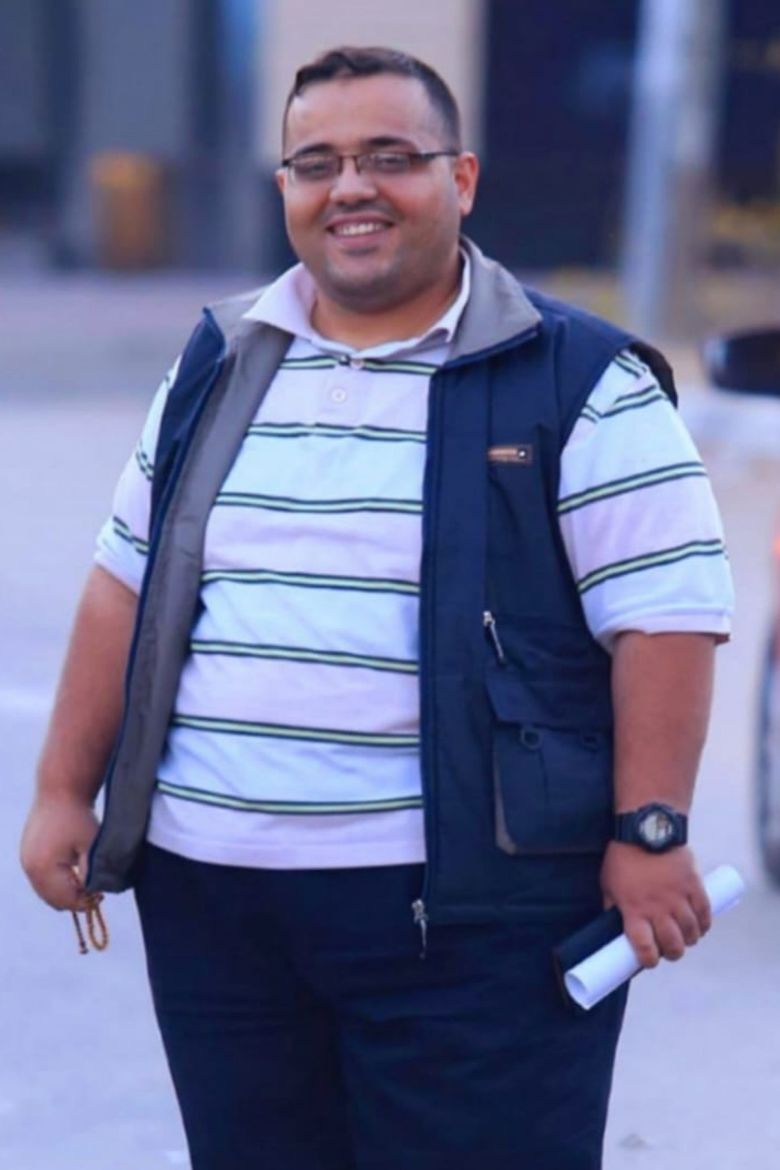
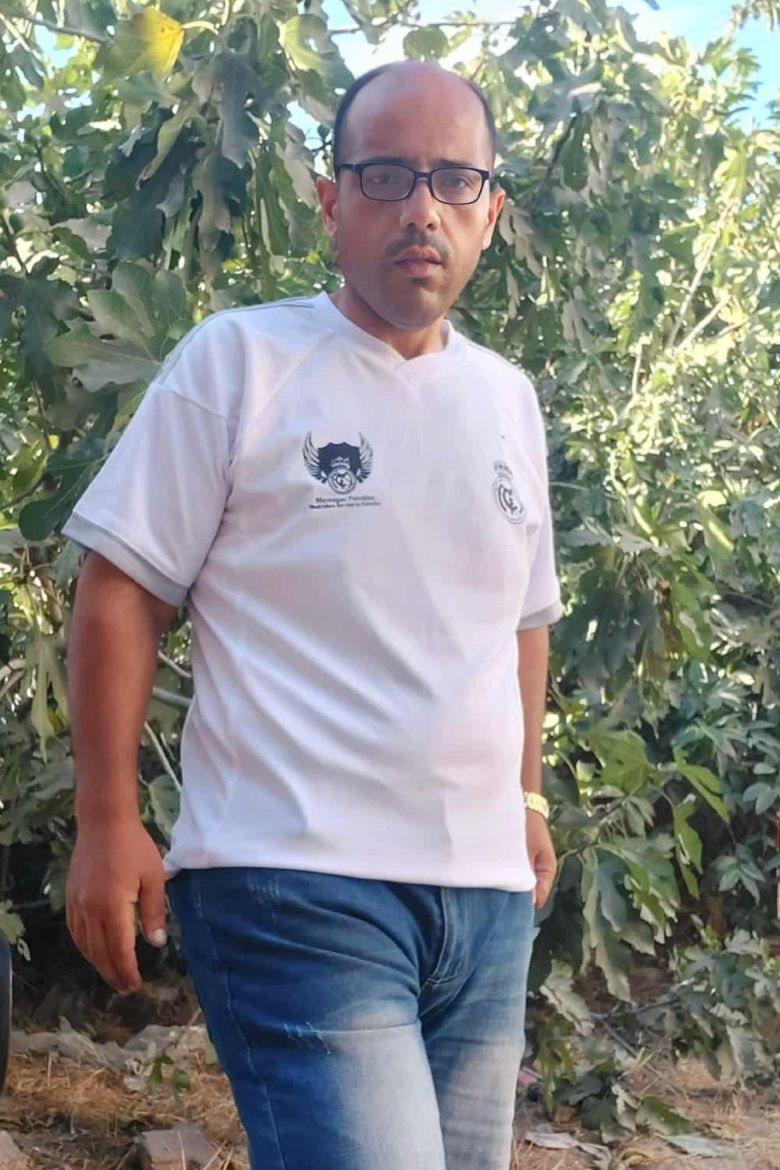
Mohamed Matar says he had a good life before the war started.
He worked as a graphic designer and the family always had enough food and drink. Their financial situation was good enough to go out and have fun on a regular basis. And, having always been on the heavy side, he had been trying to lose weight for decades without any success.
It now seems like a life so far away that it’s almost impossible to imagine.
“My children are suffering from health problems and malnutrition. One is 4 years old and the other is 2 years old,” he said.
“We buy a kilo of flour and try to keep it for two and a half days. Sometimes we go to bed without dinner so that my son can go to kindergarten and at least have half a loaf of bread in the morning,” he told CNN.
Mataru said she can now understand the effect this lack of nutritious food has on her body. I have lost a lot of weight over the past 2 months and am feeling tired. His hands hurt. Carrying buckets of water up to the second floor is now a physically challenging task, he said.
He and his family (his wife and two young children) were evacuated from their home in Gaza City’s al-Shati refugee camp to Rafah in the south early in the war.
When Israeli forces entered Rafah, the family moved to a location near Khan Younis, just west of al-Qalara. As the Israelis began to approach the area, they fled to Deir al-Balah in central Gaza.
The rest of the family is scattered throughout the country.
“My mother and two sisters are in Almagazi (in central Gaza), one brother is in Gaza City, and I have a sister in Turkey. I think about them all the time,” he said.
“We lost our normal life and hope.”
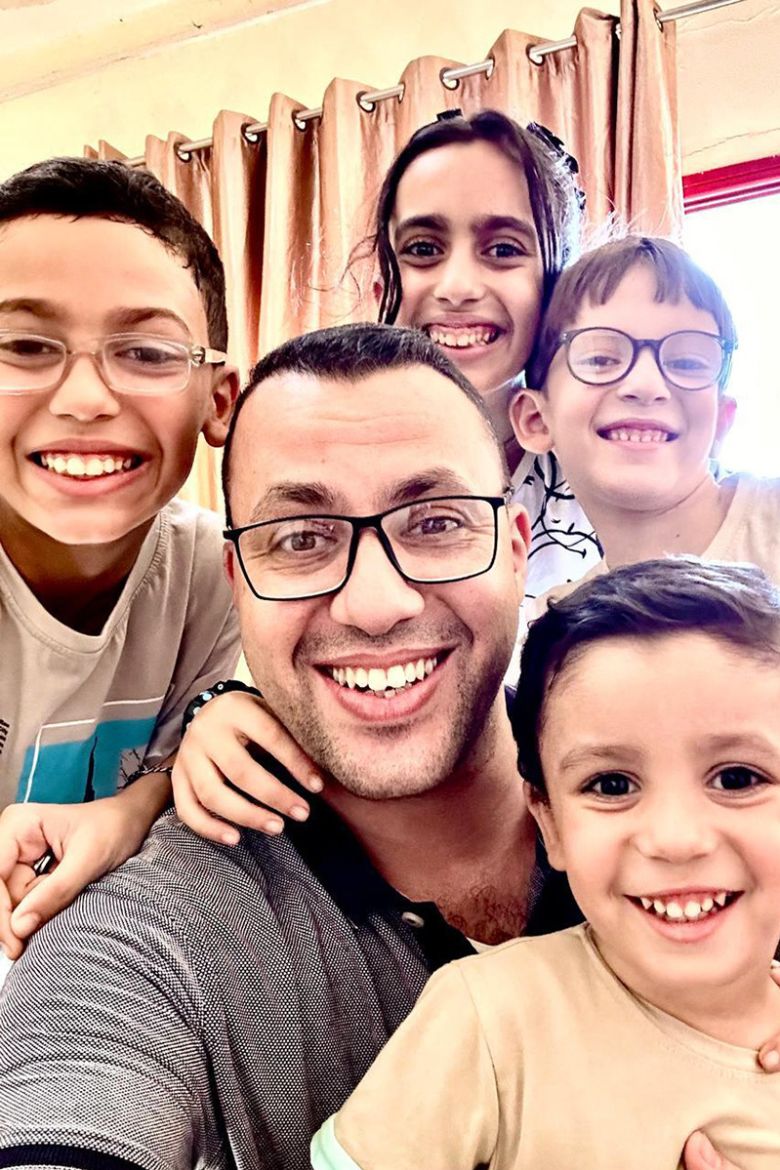
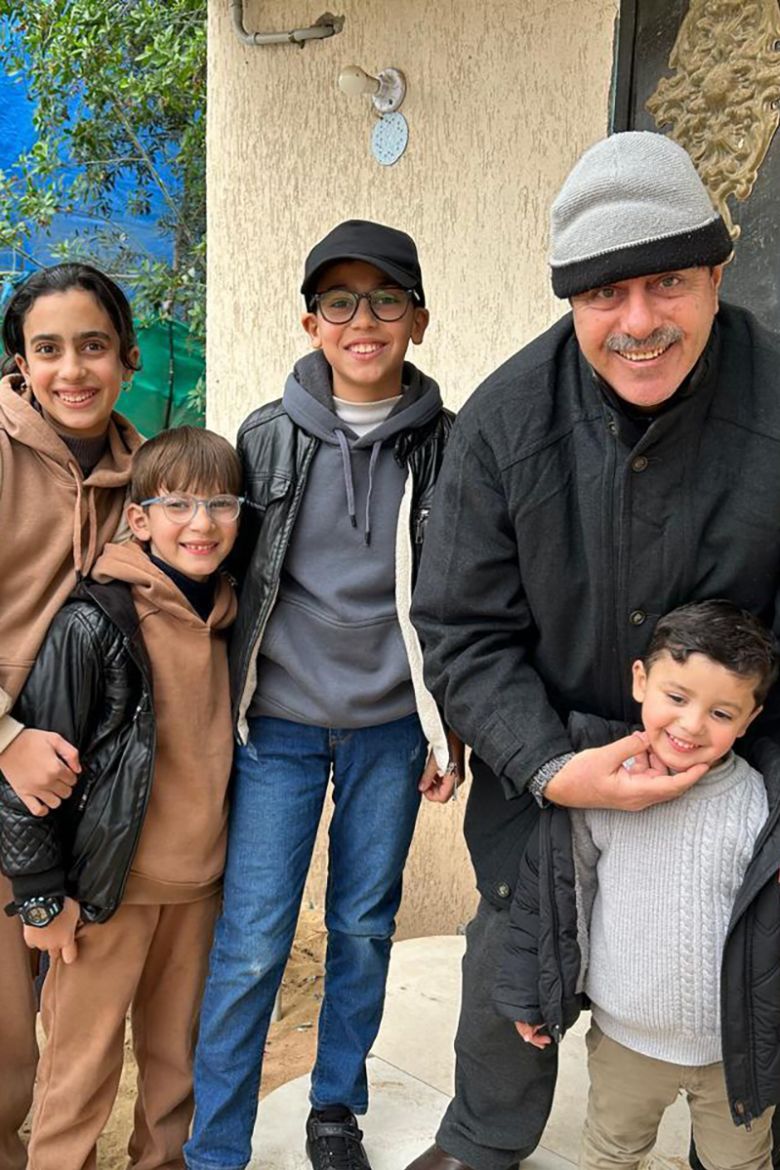
Eyad Amawi, 40, has watched his children deteriorate despite his best efforts to feed them and keep them healthy.
He told CNN that all had lost significant weight and were suffering from weakness. She said her youngest son, Youssef, who is just four years old, was suffering from liver inflammation and intestinal infections due to severe malnutrition.
“My children have enough food, as both my wife and I often don’t eat at all. We adults reduce the amount of bread, especially bread, so that our children can eat. But bread alone is not enough to survive without nutritious food. And to this day, meat, eggs, poultry and other essential nutritious items are not allowed into the country,” he said.
Amawi and his family have been forced to live in Deir al-Balah as a result of heavy bombing near Gaza City. They haven’t eaten in the normal way since the war started, he said.
“Sometimes we make ends meet by distributing small amounts of aid or buying flour when it becomes available during the severe lockdown. Most of the time we rely only on lentils or rice, but there were rare times when we were able to get potatoes,” he said.
He said the war changed every aspect of his family’s life. Some of his relatives were killed and some of his nieces and nephews were injured.
“These losses have left a deep scar on our family,” he said. “We have lost our normal lives and we have lost hope. Our lives have gone from stability and security to constant fear. From having electricity, water and food to struggling to find the most basic necessities.”
