

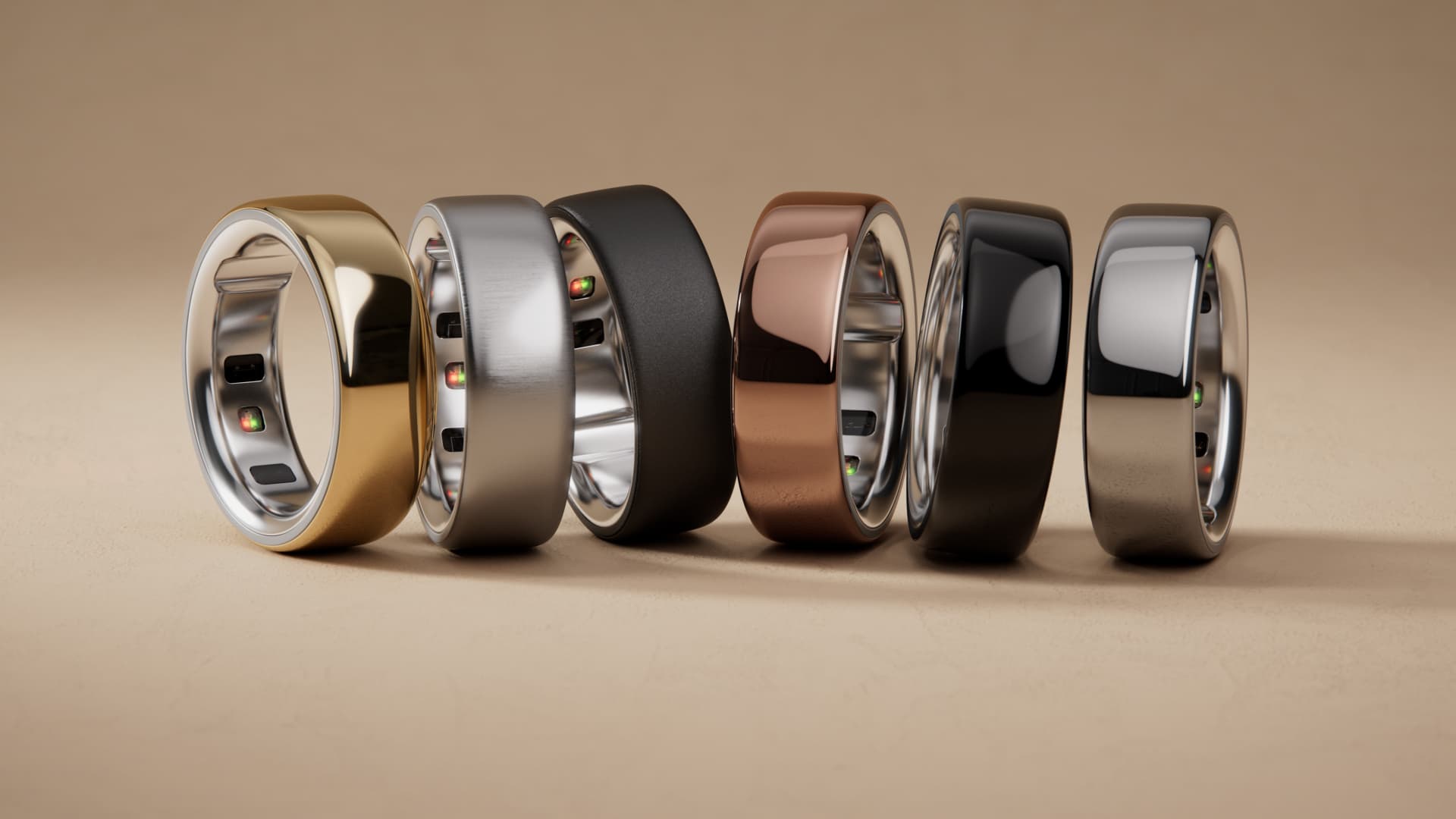

Oura announced Tuesday that it has raised more than $900 million in a new Series E funding round, valuing the company at $11 billion.
The financing, led by Fidelity Management & Research Company, also includes contributions from new investors ICONIQ and Whale Rock and Atreides.
“With this investment, we will accelerate our innovation, expand our global reach, and set a new standard for what wearables can achieve in advancing preventive health care,” CEO Tom Hale said in a statement.
The Finnish company, ranked 23rd on CNBC’s 2025 Disruptor 50 list, has raised approximately $1.5 billion, according to a release.
The company known for its Oura Rings competes with other smart ring manufacturers such as: samsung In addition to RingConn, it also includes fitness-specific devices from Whoop and Garmin.
Oura announced that it has sold more than 5.5 million Oura rings since its product launch in 2015. This is a significant increase from the 2.5 million units announced in June 2024. The company reported sales of more than $500 million in 2024, more than double the previous year, and expects sales to reach $1 billion this year.
Oura is also expanding its capabilities to compete with more popular wearable devices such as Apple and Samsung watches as it looks to further expand the wearables category.
In addition to the new Oura Ring 4 Ceramic, the company recently announced HealthPanels, a blood testing feature that allows users to schedule and view test results directly in the Oura app.
Users can track up to 50 biomarkers and receive health data summaries and dietary and activity suggestions from Oura’s AI-powered advisor.
The ring maker also partnered with Dexcom, a leader in glucose monitoring technology, late last year to integrate Dexcom’s glucose data with biometrics collected by Oura, allowing users to monitor their glucose levels.
“We’re proud to not just develop products, but to build a global movement towards proactive health that helps people understand their bodies, make better lifestyle decisions and connect more effectively with their health care providers,” said Hale.
