

Published March 26, 2026
Transgender female athletes are now excluded from women’s Olympic events after the IOC agreed to a new eligibility policy in line with US President Donald Trump’s executive order on sports ahead of the 2028 Summer Olympics in Los Angeles.
“Eligibility to compete in women’s category competitions at the Olympic Games and other IOC competitions, including individual and team events, is currently limited to biological females,” the International Olympic Committee (IOC) said, noting that this is determined by genetic testing, which is mandatory at least once in an athlete’s career.
Recommended stories
list of 4 itemsend of list
It’s unclear how many, if any, transgender women are competing at the Olympic level. No women who have transitioned to male will compete at the 2024 Paris Summer Olympics, while New Zealand weightlifter Laurel Hubbard competed at the 2021 Tokyo Olympics but failed to win a medal.
The IOC said the new eligibility rules, which will apply to the Los Angeles Olympics in July 2028 and other future Games, are aimed at protecting “the fairness, safety and integrity of the women’s sector.”
“It is not retrospective and does not apply to any grassroots or recreational sports programme,” the IOC said, adding that the Olympic Charter states that access to sport is a human right.
After the executive board meeting, the IOC released a 10-page policy document that would also restrict female athletes such as South African double Olympic runner Caster Semenya, who has a medical condition known as Differences in Sexual Development (DSD).
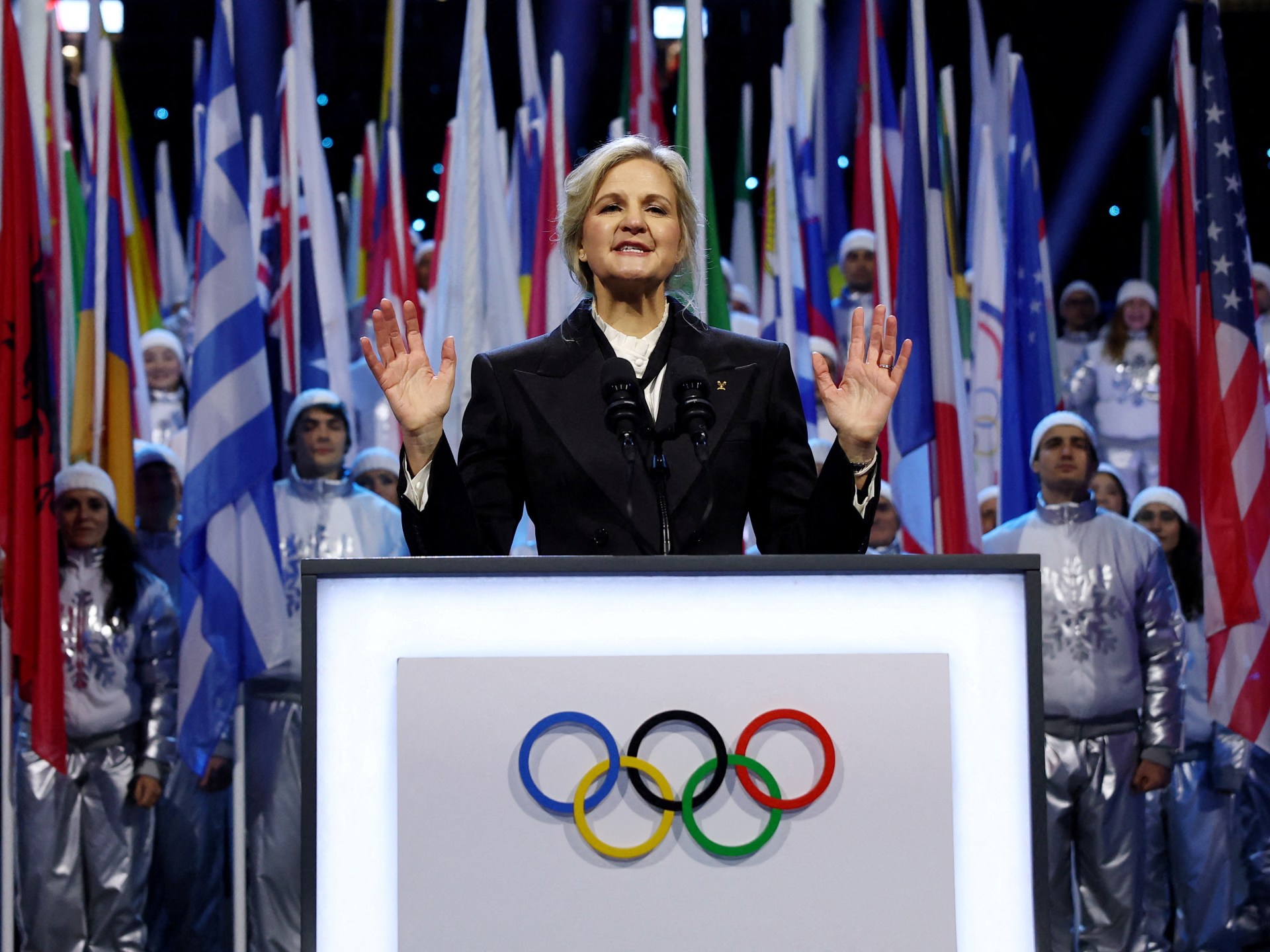
The IOC and its president, Kirsty Coventry, wanted a clear policy instead of continuing to advise sports governing bodies, which have traditionally drafted their own rules.
“At the Olympics, even the smallest difference can mean the difference between winning and losing,” Coventry, a two-time Olympic swimming gold medalist, said in a statement. “Therefore, it is clear that it is unfair for biological males to compete in the female category.”
In June of last year, as the first woman to lead an Olympic organization in its 132-year history, one of her first major decisions was to review the protection of the women’s category.
Women’s eligibility was a strong theme in last year’s seven-candidate IOC election, which took place after the uproar over women’s boxing in Paris, with Coventry’s main rivals promising a stronger policy on the issue.
Before the 2024 Paris Summer Olympics, three elite sports – track and field, swimming and cycling – excluded transgender women who have reached male puberty. Semenya, who was assigned female at birth and whose testosterone levels are higher than the typical female range, won a European Court of Human Rights ruling in a legal challenge to long-standing athletics regulations that did not overturn them.
Performance benefits of testosterone
The IOC document details findings that being born male confers physical advantages that a working group of experts believe will persist.
“Men experience three important testosterone peaks: in utero, during mini-puberty during infancy, and from adolescence to adulthood,” the document states.
It added that this gives men “a performance advantage based on their individual gender in sports and events that rely on strength, power and endurance.”
The IOC said its investigation included “detailed individual interviews with affected athletes around the world.”
The expert group agreed that current genetic testing is “the most accurate and least burdensome method currently available.” Saliva, cheek swab, or blood samples are screened for “the SRY gene, a DNA segment normally found on the Y chromosome that initiates male sexual development in the womb and indicates the presence of testicles/testicles.”
Still, mandatory gender testing, already implemented by the governing bodies of track and field, skiing and boxing, is likely to be criticized by human rights experts and activist groups.
women’s boxing champion
Taiwan’s Lin Yuting, one of the two women’s boxing gold medalists at the center of the Paris gender debate, has passed a genetic test and is able to return to competition, the world boxing governing body announced last week.
Another Olympic boxing champion, Algeria’s Imane Kherif, told CNN last month that she plans to undergo genetic testing to qualify for the Los Angeles Olympics. She is reportedly preparing for a professional bout in Paris next month.
The IOC document released Thursday says the performance advantage of men over biological women is 10 to 12 percent in “most running and swimming events,” at least 20 percent in “most throwing and jumping events,” and “may exceed” 100 percent in explosive strength events, including “punching sports.”
President Trump’s Executive Order
In February last year, President Trump signed an executive order to ban men from women’s sports and promised to deny visas to some athletes aiming to compete in the Los Angeles Olympics. The order also threatened to “withdraw all funding” from organizations that allow transgender athletes to participate in women’s sports.
Within months, the U.S. Olympic organization updated its guidance for national sports organizations, saying they were obligated to follow the White House.
