

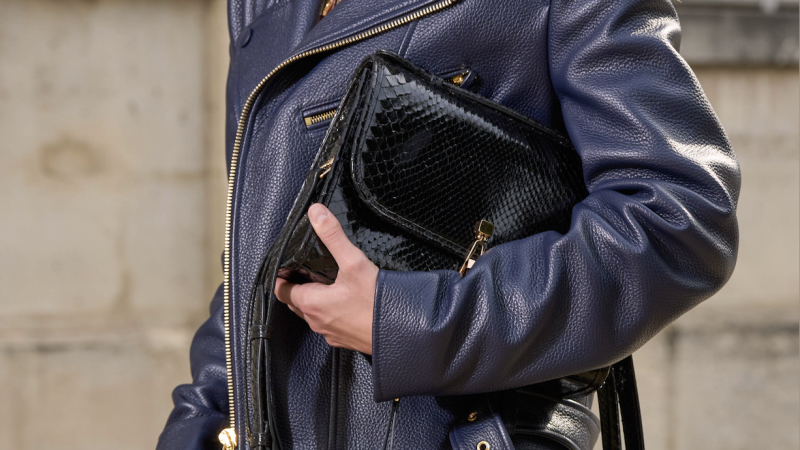
Leather has been a staple of human fashion for thousands of years, but the fashion industry is increasingly embracing more sustainable alternatives.
Traditional leather is primarily obtained from cows, and cattle farming leads to deforestation, habitat loss, and land degradation. The tanning process is polluting and can use up to 50,000 liters (13,209 gallons) of water per ton of animal rawhide.
Vegan and lab-grown leather are on the rise, and one American company is supplying fashion houses with the real deal. Instead of using cows, they simply source from exotic exotic animals.
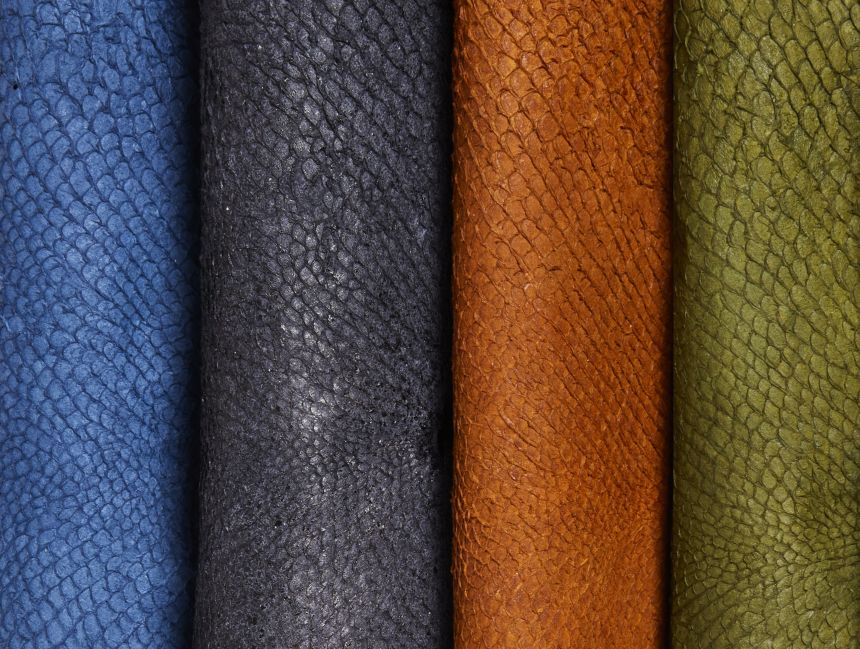
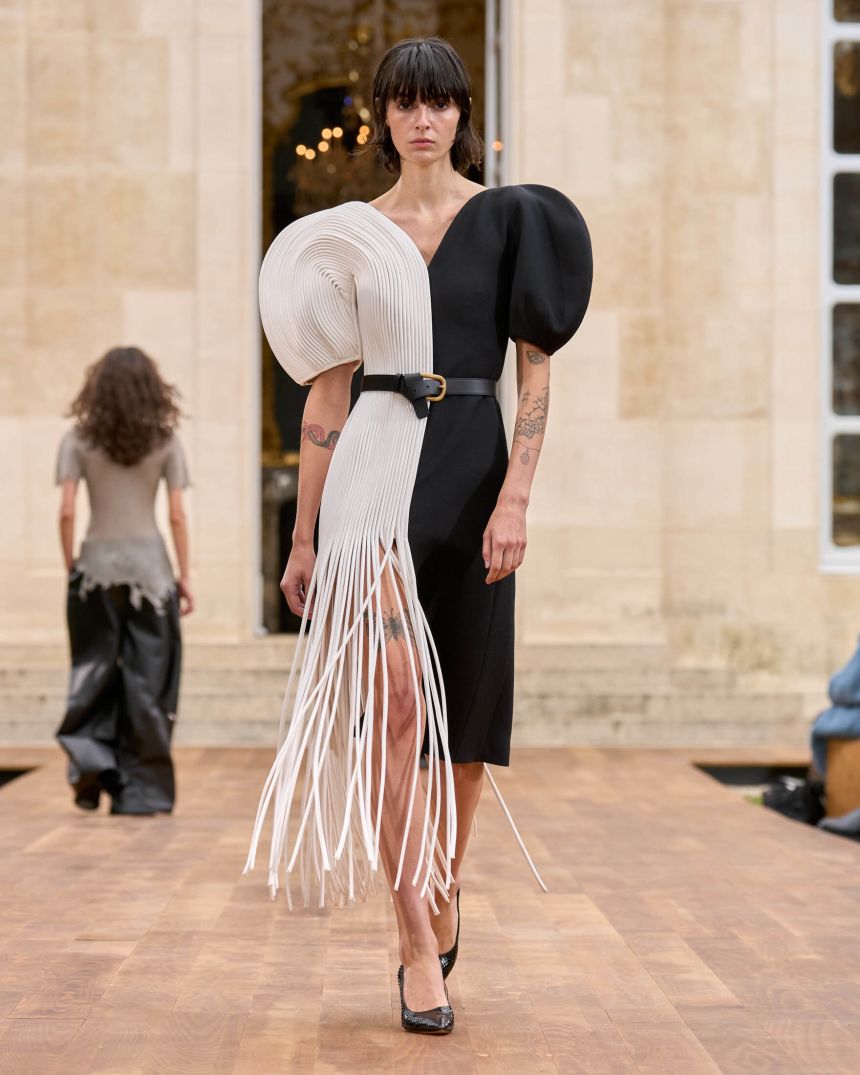
Pythons in Florida’s Greater Everglades, silverfin carp in the Mississippi River Basin, and lionfish in Caribbean coral reefs are three invasive species currently being captured by Miami-based startup Inversa. The leather produced is ultimately turned into products such as clothing, bags, and other accessories by fashion brands such as Gabriela Hearst, Kite, Katherine Holstein, and Joanna Ortiz.
“It all starts with the fish,” said Inversa CEO Aarav Chavda, who co-founded the company in 2020. “I’ve been a scuba diver for almost 15 years now, and I’m obsessed with the problem of invasive lionfish and what they’re doing to coral reefs throughout the Caribbean and Mediterranean. It’s wreaking havoc on the native biodiversity of coral reefs.”
Invasive species are plants and animals that have been introduced into areas outside of their native habitat by human activities. They end up harming local ecosystems, for example by eating native species, spreading diseases, and competing with other organisms for food and resources. They can cause extinction and irreversible damage to the environment.
“My co-founders and I strongly believed that one way to solve this problem was to harness the power of the consumer,” Chavda added. “Then we focused on the fashion industry, which really wants to improve and is looking for healthier, more sustainable raw materials. In the end we decided to turn lionfish into leather, and that was the beginning of this great idea. I came here to make a structural impact on invasive species, which the United Nations considers a top five driver of biodiversity loss.”
After initially focusing on lionfish, Inversa began harvesting silverfin carp, a carp native to China that was imported to the United States in the 1970s, primarily to control algae in urban sewage lagoons. But they quickly escaped into the wild, “completely destroying native biodiversity in the Mississippi River ecosystem,” Chavda said. “It consumes an incredible amount of native vegetation and biomass and is currently occurring in several states in the United States and is a major problem.”
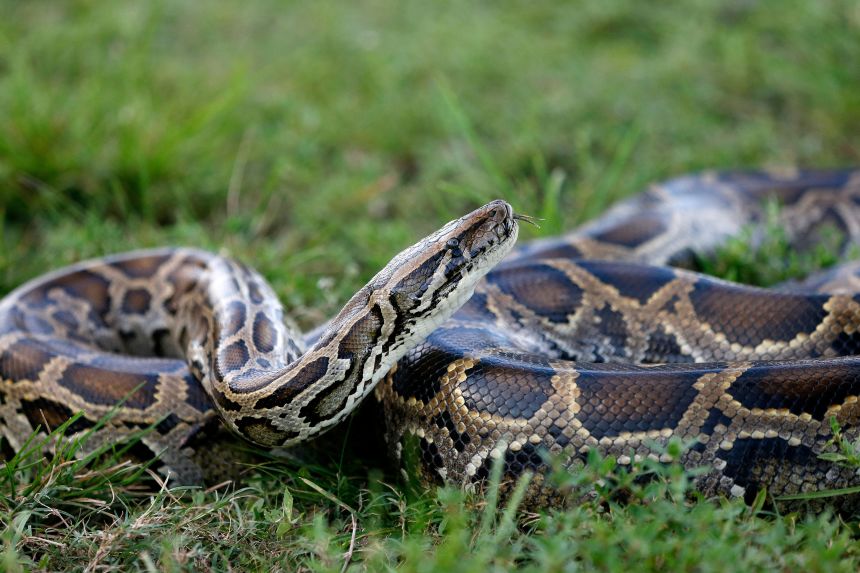
Burmese pythons soon followed. “It’s a constrictor snake that’s native to Southeast Asia and was released into the Florida Everglades in the 1990s,” Chavda said. Snakes, likely traded as pets, rapidly multiplied and became superpredators, leading to the collapse of native mammal populations such as raccoons, opossums, and bobcats.
Inversa manages a network of hunters who source exotic species, and the hides are processed at three tanning facilities, two in Europe and one in the United States. The system is managed through a digital platform called Origin, which integrates real-time field data, satellite imagery, predictive modeling and AI-driven intrusion mapping, with the goal of streamlining operations and enabling traceability of any product. “Invasive species are the ecological crisis of the 21st century, and their management cannot be solved with outdated, piecemeal approaches,” Chavda said.
“We are building a completely transparent, traceable and verifiable supply chain all the way to the hunt itself.”
Chavda pointed out that the tanning process is different from using cowhide, especially fish skin, which is made up of very thin but very strong fibers.
He added that Inversa has partnered with around 50 fashion brands and plans to expand to more types soon, to be announced next year. The company requires the final product to bear its name or the fact that the leather is sourced from exotic species, and says this method of leather production improves carbon emissions by 89% and reduces land use to nearly zero.
Inversa said it adheres to humane killing practices and has support from U.S. nonprofit environmental groups Conservation International and the National Oceanic and Atmospheric Administration, among others.
Chavda said Inversa has exterminated tens of thousands of exotic animals. However, there are no conclusive assessments of the habitat impacts of these removals. “Anecdotally in the Everglades, we’re seeing increases in native mammal populations in areas that are under heavy attack from hunters. There’s no doubt that the reduced pressure is helping.”
Inversa’s efforts were evaluated by the World Wide Fund for Nature (WWF) Switzerland and found to have a positive impact on biodiversity.
“Despite contributing to 60% of species extinctions and causing $423 billion in annual economic damage, invasive species remain largely ignored in conservation funding,” said Sybil Borner of WWF-Switzerland. “This (recognition) highlights Inversa’s ability to fill some of this critical gap and shows how fashion can be an unexpected but powerful force for biodiversity.”
Associate Professor Alexandra Ioannido of Romania’s National Polytechnic Institute of Bucharest, who studies invasive species and is not involved in Inversa, said that turning invasive species into valuable materials solves two problems at the same time. “It reduces the ecological damage caused by species that threaten native ecosystems and provides a more sustainable alternative to traditional leather. Technically, it is exciting to see that leather made from exotic species can reach the quality.” It has the versatility needed for real-world use. ”
Ioannido added that with proper tanning methods, these alternative leathers can perform as well as traditional materials and have their own unique textures and aesthetics. It is important to maintain traceability and ecological monitoring so that these materials truly help manage invasive species, rather than encouraging new logging.”
But PJ Smith, director of fashion policy at Humane World for Animals, a nonprofit organization that fights animal abuse, says selling materials made from wild animals, exotic or not, can have unintended consequences, including stimulating markets that promote unrestricted or encouraged killing, encouraging intensive wild animal farming, and intentionally releasing these species to maintain supply.
“Rather than promoting demand for luxury goods, wildlife conservation efforts should prioritize the development of effective non-lethal management strategies that provide long-term solutions to address the negative impacts of invasive species. Consumer demand is increasing for truly sustainable bio-based leather alternatives that do not use animals or help restore ecosystems without exploitation,” Smith added.
Dia Leurance, an assistant professor of invasive species biology and management at Penn State University, said she doubts Inversa will be able to have a significant impact on restoration because of the large numbers of invasive species it collects, adding: “I think there are certainly significant benefits to this type of project.” “These projects will raise public awareness of the wicked problem of biological invasions,” he added.
