

CNN
—
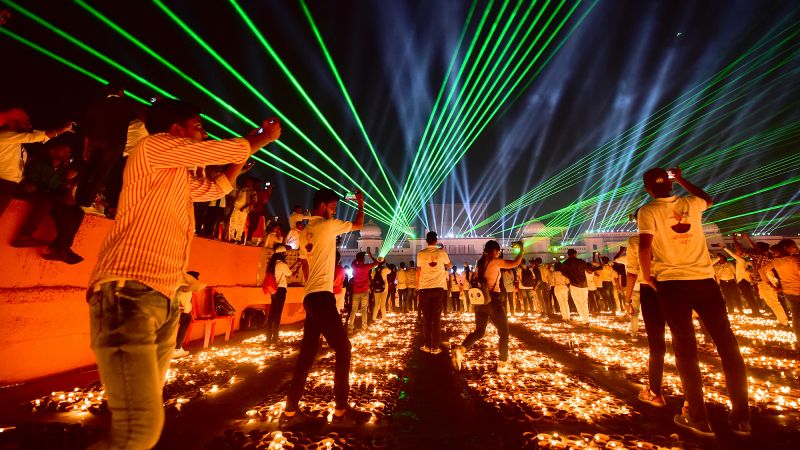
More than one billion Hindus, Sikhs, Jains and Buddhists around the world will celebrate Diwali, the festival of lights, on October 20, 2025.
Diwali, also known as Deepavali, is one of India’s biggest festivals. It is also widely celebrated in Nepal, Malaysia, Fiji, and other countries with large South Asian diaspora populations. Homes, businesses, and public spaces are lit up with diyas, or clay oil lamps, and fireworks displays are popular. People gather with their families, eat sweets and exchange gifts.
Despite its deep religious significance, Diwali is also today a cultural festival that is enjoyed by people regardless of their faith.
Here’s what you need to know about the holidays.
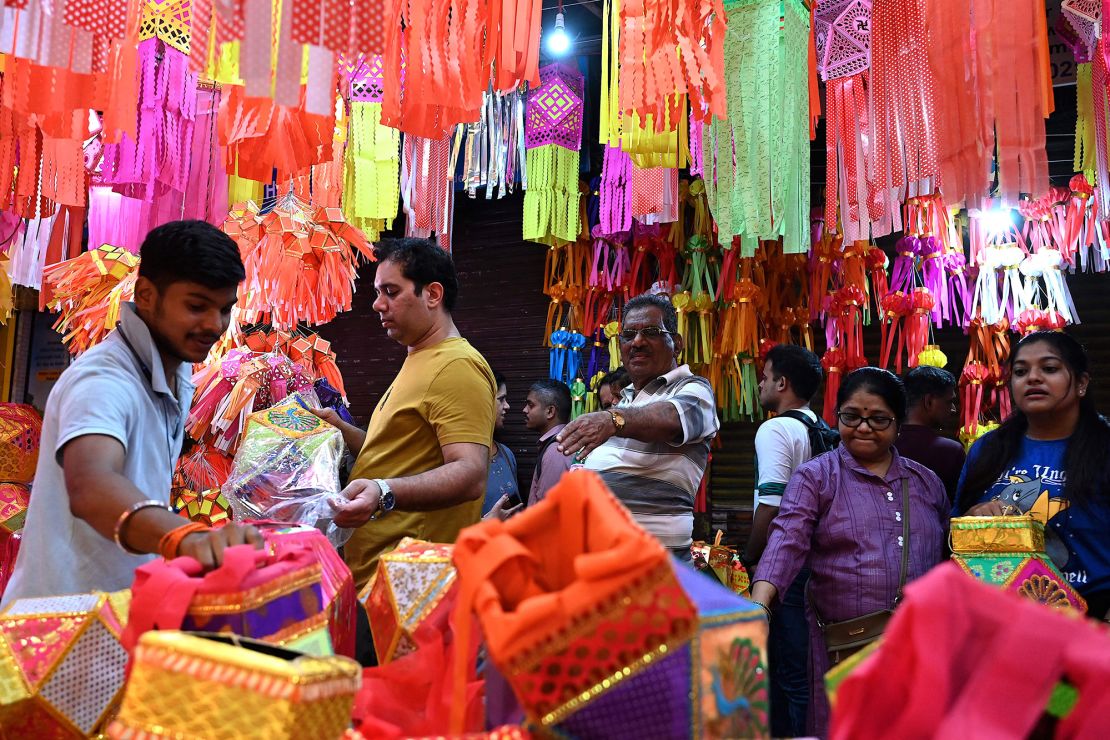
Diwali comes from the Sanskrit word Deepavali, which means “row of lights.”
It represents the victory of light over darkness and good over evil. Although Diwali traditions vary by region and religion, the myths and historical stories behind the holiday share common themes of justice and liberation.
Diwali is celebrated every fall, usually between October and November. The festival lasts for five days, with the main celebration taking place on the third day. This year’s Diwali festival will be celebrated on October 20th.
The five days of Diwali are:
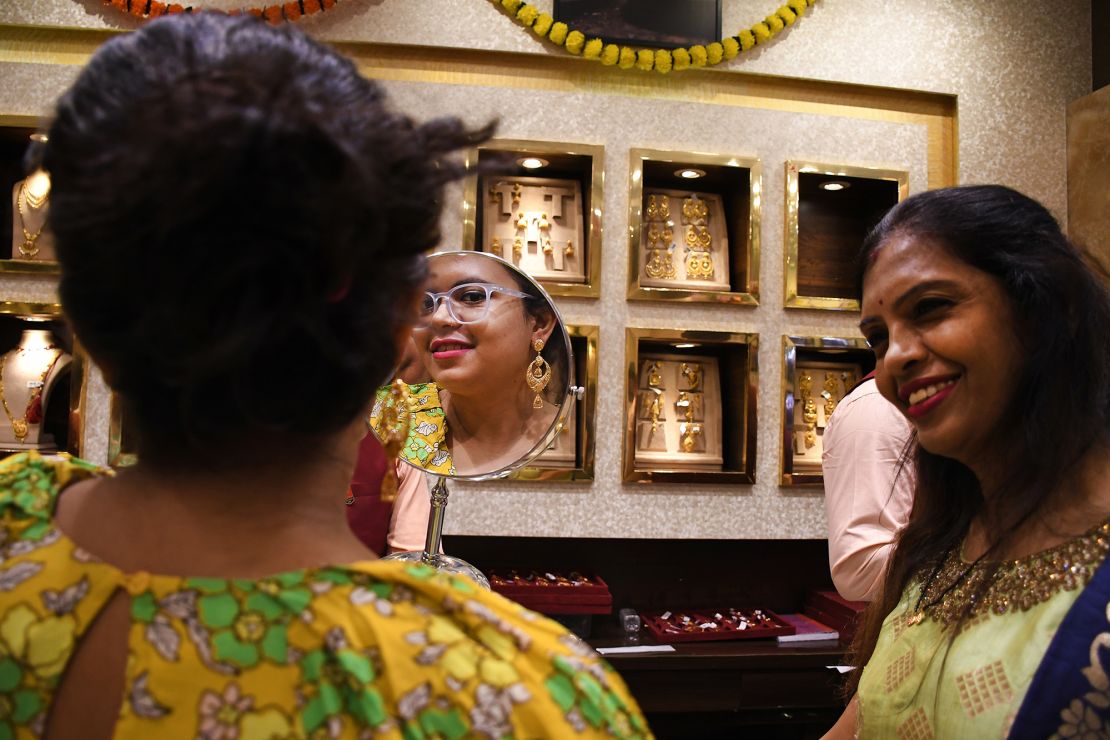
• Dhanteras: People usually celebrate the first day of Diwali by buying gold and silver jewellery, tableware and other new household items for good luck. Many people clean their homes to invite the blessings of Lakshmi, the goddess of wealth and prosperity. On this day, some people praise the Ayurvedic god Dhanvantari and the god of death Yamaraj.
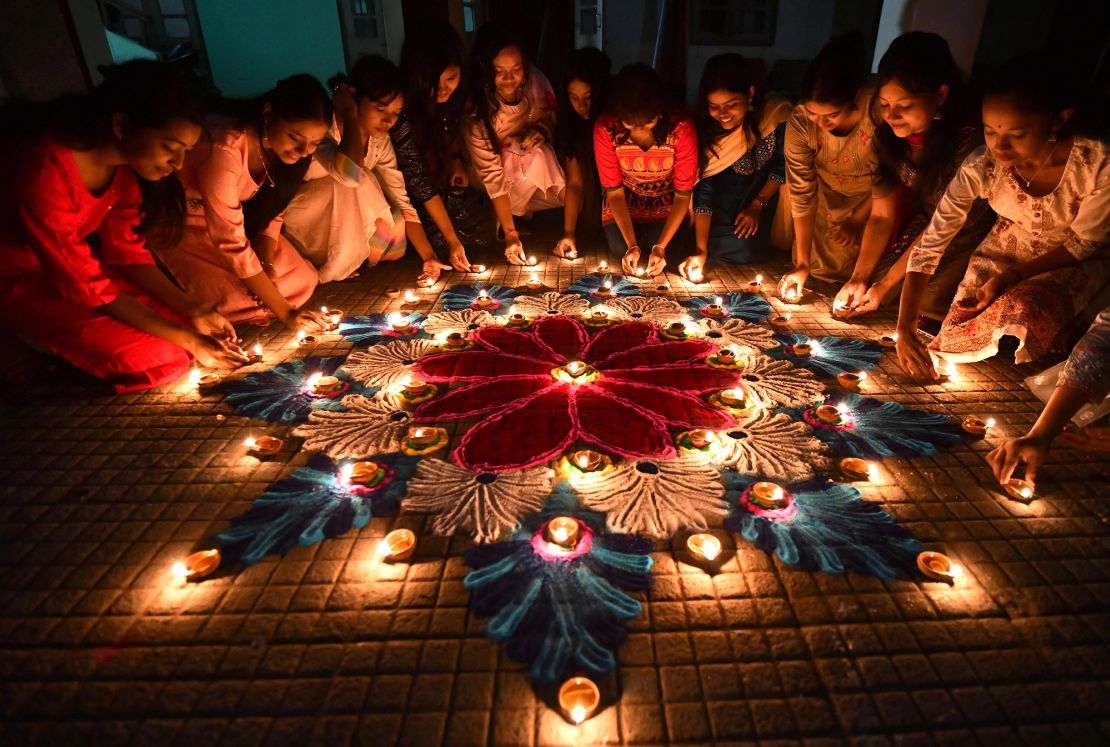
• Choti Diwali or Naraka Chaturdashi: The second day of Diwali is the day when Lord Krishna defeated the demon king Narakasura. People wake up early to take a bath and wash their hair. They also clean the house, decorate it with rangolis and diyas and prepare sweets.
• Diwali or Lakshmi Puja: What people generally think of as Diwali is the third day of the festival. Families come together to exchange gifts, eat delicious food, and enjoy sweets. Many Hindus worship Goddess Lakshmi on this day.
• Padwa or Govardhan Puja: The fourth day of Diwali honors the relationship between husband and wife and husbands usually buy gifts for their spouses. Some traditions commemorate the day when Lord Krishna raised Govardhan Hill to protect the villagers of Vrindavan from the rains brought on by Lord Indra’s wrath. Some devotees offer mountains of food to Krishna in remembrance, while others make clay or cow dung dolls to recreate the event.
• Bhai Dooj: The last day of Diwali honors the bond between Lord Yama and his sister Yami (or Yamuna) and celebrates the love between brothers. Sisters sometimes put a tilak, or red mark, on their brothers’ foreheads, and brothers give gifts to their sisters.
Diwali is primarily celebrated by Hindus, Sikhs, Jains, and Buddhists, but like Christmas, the holiday transcends religion and is now celebrated by many people outside of those traditions.
The meaning of the festival varies depending on the community and region.
One of the central legends of Diwali comes from the Hindu epic Ramayana. While Prince Rama (an incarnation of the god Vishnu) and his wife Sita (an incarnation of the goddess Lakshmi) were in exile, Sita was kidnapped by the demon king Ravana. Rama eventually defeats Ravana and rescues his wife. For some Hindus, Diwali marks the triumphant return of Rama and Sita to their kingdom after 14 years of exile.
Some Hindus in southern India celebrate the defeat of Lord Krishna’s Narakasura, which led to the rescue of 16,000 girls held captive by demons. In western India, Diwali commemorates the day when the god Vishnu banished the demon king Bali to rule the underworld.
Sikhs commemorate this day as Bandi Chor Divas (Liberation Day), which will be celebrated on October 21st this year. This day commemorates the day when the sixth guru, Guru Hargobind, and 52 Hindu kings were liberated from unjust imprisonment. Mughal emperor Jahangir initially agreed only to the release of Guru Hargobind, but the Guru refused to go without the royal family. After Jahangir declared that those who could cling to the guru’s cloak could leave, Guru Hargobind tied 52 tassels to the cloak so that each ruler could walk toward freedom.
For Jains, Diwali marks the day when their last spiritual leader, Lord Mahavira, died a physical death and achieved enlightenment. Some Buddhists recognize Diwali as the day when King Ashoka accepted Buddhism.
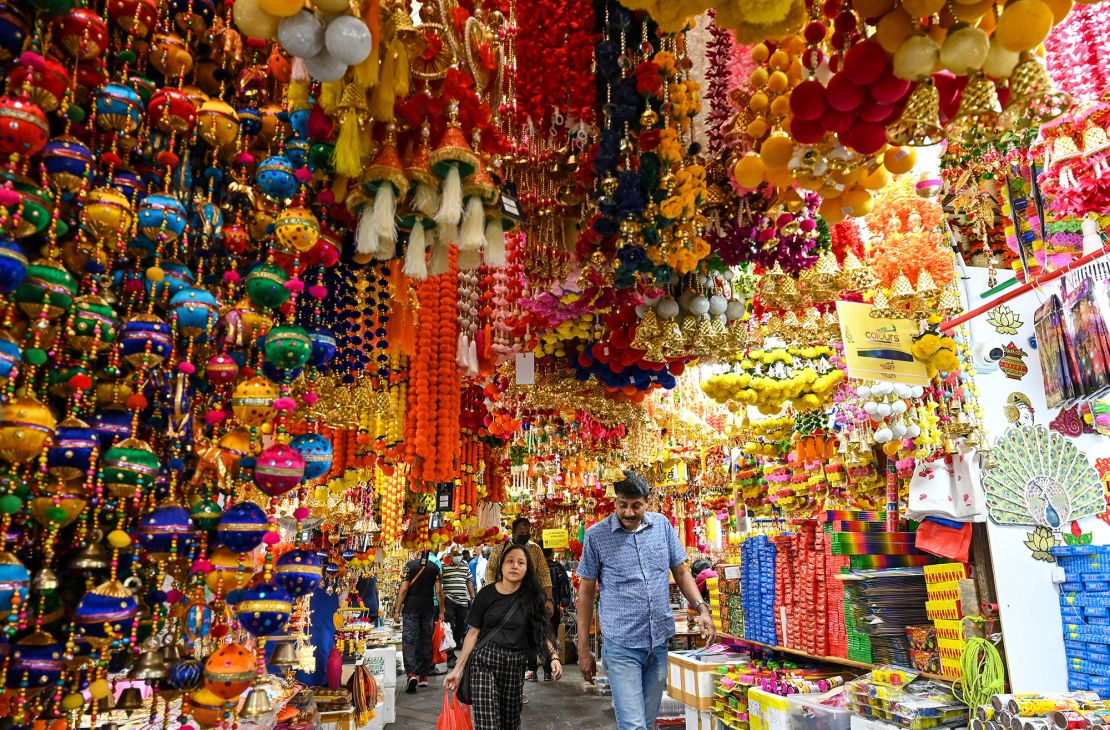
Besides the common traditions of decorating the house, setting off firecrackers, and eating delicious food, there are several other ways people celebrate Diwali.
In some parts of India, people play gambling card games such as Teen Patti, Blackjack, and Poker. Gambling during the holidays is considered auspicious and originates from the legend of Lord Shiva and his consort Parvati playing a game of dice.
Diwali also marks the beginning of a new financial year for Hindus, with many businesses, traders and shopkeepers opening new accounting books during the holiday.
