

Hollywood groups are objecting to a new AI video model called SeaDance 2.0, claiming it has quickly become a tool for “blatant” copyright infringement.
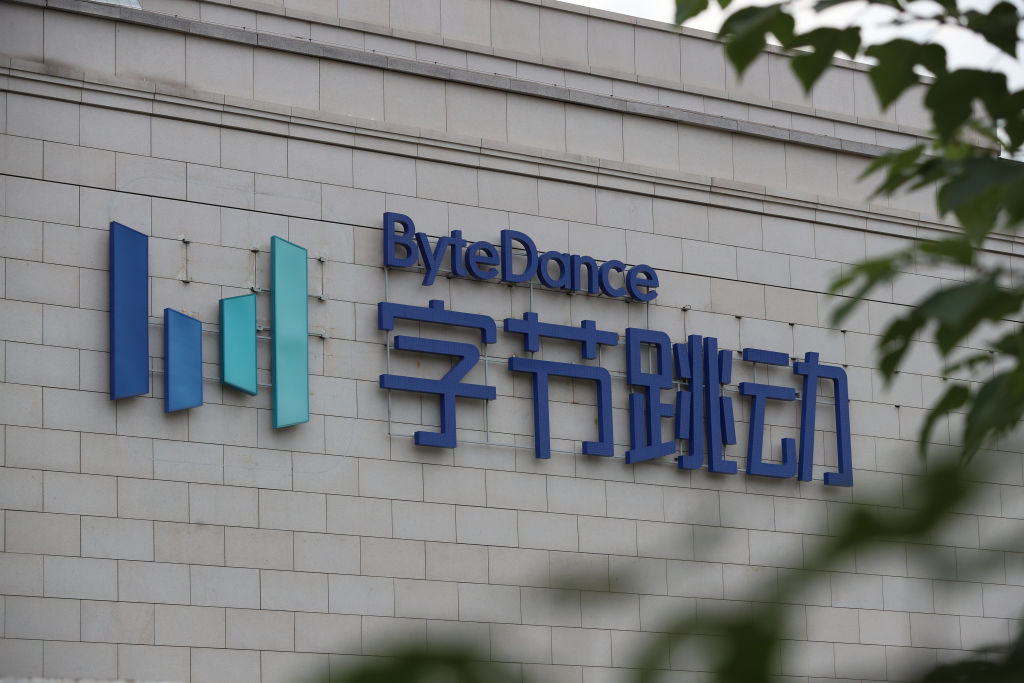
ByteDance, the Chinese company that recently closed a deal to sell TikTok’s U.S. operations (retaining a stake in the new joint venture), launched Seedance 2.0 earlier this week. According to the Wall Street Journal, this updated model is now available to Chinese users of ByteDance’s Jianying app, and the company says it will soon be available to global users of its CapCut app.
Similar to tools like OpenAI’s Sora, Seedance allows users to create videos (currently limited to 15 seconds in length) by simply entering a text prompt. And like Sora, Seedance quickly drew criticism for its apparent lack of guardrails surrounding the studio’s intellectual property as well as its ability to create videos using the likeness of real people.
When an X user posted a short video of Tom Cruise fighting Brad Pitt, which was said to have been created by a “two-line prompt from SeaDance 2,” Deadpool screenwriter Rhett Reese responded, “I hate to say it. I think it’s over for us.”
The Motion Picture Association of America quickly issued a statement from CEO Charles Rivkin, demanding that ByteDance “immediately cease its infringing activities.”
“In just one day, Chinese AI service Seedance 2.0 committed massive unauthorized use of U.S. copyrighted material,” Rivkin said. “By launching its service without meaningful protections against copyright infringement, ByteDance is ignoring established copyright laws that protect the rights of creators and support millions of American jobs.”
The Human Artistry Campaign, an initiative supported by Hollywood unions and industry groups, condemned SeaDance 2.0 as an “attack on creators around the world,” and actors union SAG-AFTRA said it “stands with the studio in condemning the blatant copyright infringement enabled by ByteDance’s new AI video model SeaDance 2.0.”
tech crunch event
boston, massachusetts
|
June 23, 2026
Seadance’s video features Disney-owned characters such as Spider-Man, Darth Vader, and Grogu, better known as Baby Yoda, prompting the company to take legal action. Axios reports that Disney sent ByteDance a cease-and-desist letter accusing it of “effectively usurping Disney’s intellectual property” and alleging that the Chinese company “hijacks Disney characters by reproducing, distributing, and creating derivative works featuring those characters.”
Disney isn’t necessarily opposed to working with AI companies. It reportedly sent a cease-and-desist letter to Google over similar issues, while it has a three-year license agreement with OpenAI.
TechCrunch has reached out to ByteDance for comment.
