

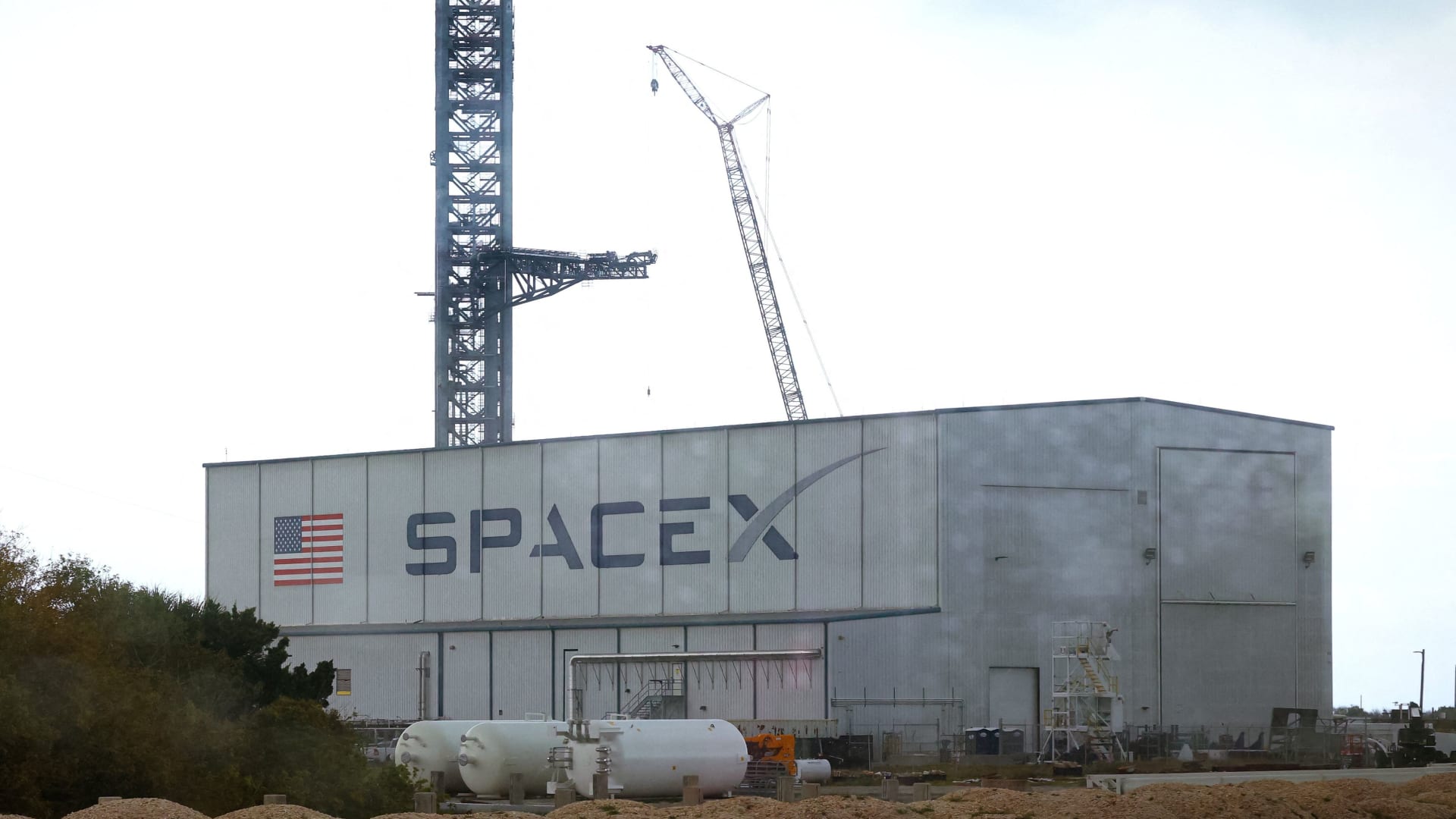
Historical data shows that large IPOs typically do not lead to bull market peaks in the following year. SpaceX is poised to launch its largest IPO in history when trading begins this Friday. However, recent analysis from Canaccord Genuity shows that the stock market’s broad averages typically tend to outperform large IPOs after a year. “Recent history shows that large IPOs are not a headwind for index performance,” Canaccord analysts said. The investment bank reviewed the historical impact of the world’s largest public offerings since 2008, including the seven IPOs that raised the most capital in the world (Visa, Facebook, Alibaba, Aramco, Rivian, LG Energy Solution, and ARM Holdings). Historical Impact According to historical data analyzed by Canaccord Genuity, the Nasdaq Composite Index rose an average of 10.9% a year after a blockbuster IPO, while the S&P 500 rose only about 1.1%. Notably, the index’s returns outpaced the IPOs themselves, which were down an average of 4.2% over the same period. For example, most of the seven IPOs fell in their first year of trading. Facebook, Alibaba, Aramco and Rivian also suffered significant losses. Arm was the big exception, with a 132% increase, more than doubling. The Nasdaq rose over the next year after five of the seven biggest IPOs, including a 42.2% gain after Facebook’s 2012 IPO. 41.8% after ARM Holdings goes public in 2023. After Saudi Aramco’s 2019 debut, it was 20.3%. The biggest decline in the past year came after Visa’s IPO in March 2008, ahead of the global financial crisis. The following year, the Nasdaq fell 44.3% and the S&P 500 fell 39.6%. SpaceX, led by CEO Elon Musk, plans to list on the Nasdaq on Friday in the largest IPO in history. The rocket company is expected to raise $75 billion by selling 555.6 million shares at $135 per share, making it the largest IPO in Nasdaq history. The Nasdaq market recently made some changes this year that could make it easier for IPOs like SpaceX to enter the benchmark Nasdaq 100 index. If that happens, investors using the Invesco QQQ Trust ETF to buy the Nasdaq 100 will also own a piece of SpaceX. In contrast, S&P Global recently blocked a rule that would have allowed SpaceX to quickly join the S&P 500. The recent momentum in stock prices has raised concerns among investors about the sustainability of the bull market and raised concerns that a peak may be near. “Speculative mania is an ill-timed indicator,” Ben Snyder, chief U.S. equity strategist at Goldman Sachs, said in a note late Friday, but he said it remains one of the defining characteristics of the top of past bull markets with high valuations and high concentration. Rather, market trends that have signaled the end of similar bull markets in the past have included disappointing growth, increased stock issuance, and tightening Fed policy. “None of these situations describes today’s environment, but each seems closer than it was just a few months ago,” a group of strategists led by Snyder said. In fact, Goldman highlighted one optimistic historical footnote. When former Federal Reserve Chairman Alan Greenspan “famously gave a speech in December 1996 in which he referred to ‘irrational exuberance,'” stock prices continued to rise for more than three years, finally hitting their all-time high in March 2000.
