

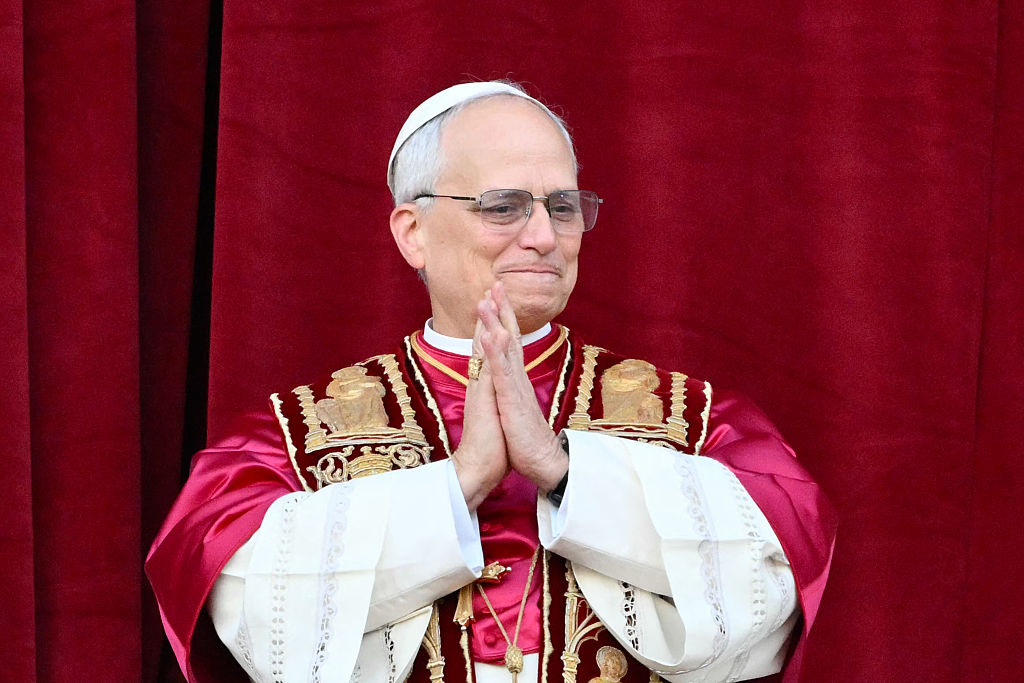
Pope Leo And while AI is the hook, the problems Leo focuses on are older and more widespread. Inequality, war, erosion of democracy, and the concentration of power in the hands of people who don’t necessarily care whether humanity remains great.
Throughout the 200-page document that the Pope filed with Anthropic co-founder Chris Oller, Leo argues that technology built and controlled by a small elite cannot, by definition, serve the public good.
“When such power is concentrated in the hands of a few, it becomes opaque and tends to escape public scrutiny, increasing the risk of distorted forms of development that create new dependencies, exclusions, manipulations, and inequalities,” he writes.
“In fact, like any major technological change, AI tends to amplify the power of those who already have economic resources, expertise, and access to data,” the encyclical continues, highlighting concerns that elites could use that power to “shape information and consumption patterns, influence democratic processes, and steer economic dynamics in their favor.”
The encyclical was issued days after President Donald Trump, at the urging of VC investor and former White House AI czar David Sachs, delayed signing an executive order on AI that would have given the government oversight before new models were released.
Pope Leo called for AI to be guided by “clear standards and effective oversight” based on the participation of the communities affected by it. More specifically, Leo called for an end to the AI arms race “for ever more powerful algorithms and larger data sets,” which companies and countries believe will “secure geopolitical or commercial advantage.”
“Disarming means discrediting the assumption that technological power automatically confers governance,” he wrote.
Again, these dynamics predate AI. Pope Leo Elon Musk’s acquisition of Twitter and deployment of the platform to help elect Trump. Hundreds of millions of dollars are flowing from tech elites to super PACs to block AI regulation—the kind of pattern that clearly inspired Leo XIV’s work.
The Pope reached the same conclusion that many have reached. That said, the surreal powers and capabilities of today’s AI make the stakes much higher.
Notre Dame Law School professor Paolo Carozza, a member of the Pontifical Academy of Social Sciences and chair of the Meta-Monitoring Commission, told TechCrunch that AI-driven misinformation and deepfakes are “eroding our ability to know what is true and what is not, and that is really impacting democratic politics.” He added that the “collection and manipulation” of human data in the technology industry poses “fundamental challenges to cognitive freedom.”
If you buy through links in our articles, we may earn a small commission. This does not affect editorial independence.
