


Ceasefire between US and Iran looks unstable as both sides exchange fire

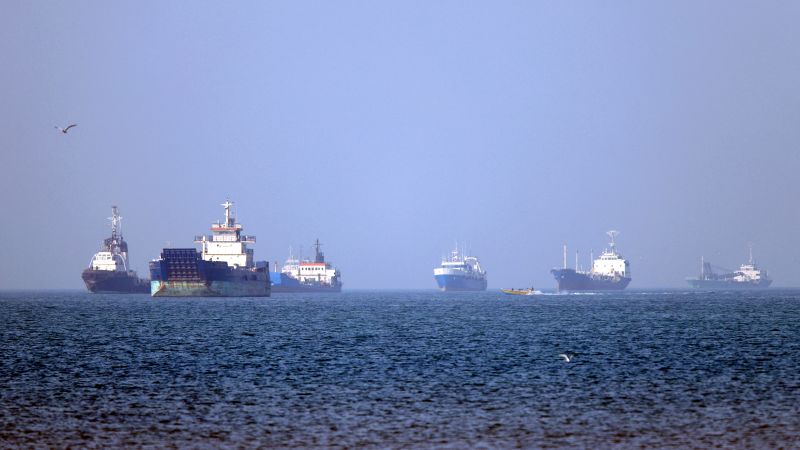
‘Project Freedom’ appears to have backfired after sparking fresh violence in the Gulf, with shipping executives remaining extremely wary of crossing the Strait of Hormuz.
Tim Huxley, chairman of Mandarin Shipping, said: “The Strait remains extremely dangerous and most ships will continue to avoid sailing until both sides come up with more concrete plans.”
U.S. President Donald Trump launched “Project Freedom” on Monday to “guide” commercial ships through the strait, and after it went into effect, the U.S. and Iran exchanged gunfire in the strait.
And the UAE announced that Iran had fired missiles and drones at the main oil port of Fujairah, just across the strait. Its location is important because it is one of the few export routes for Middle Eastern oil that does not require transiting through important waterways.
This is the biggest escalation in violence since the ceasefire was announced four weeks ago.
After announcing Project Freedom, Iran said merchant ships and tankers should instead work with its military and that it would be attacked if U.S. forces entered the Strait of Hormuz.
Conflicting information from both sides has left the captains unsure of how to proceed.
“Operating in a prolonged period of uncertainty puts a different kind of pressure on the crew. We remain focused, disciplined and committed to our daily tasks, but the waiting itself is exhausting,” said Captain Arunkumar Rajendran of Fleet Management Limited, one of the estimated 20,000 seafarers waiting to cross the strait.
