


While all eyes are still on Israel and the United States’ war against Iran, efforts to build on the fragile ceasefire agreement in the Gaza Strip brokered by the Trump administration nearly six months ago made tentative progress at the United Nations on Tuesday.
One of the issues that has been at stake since the agreement was reached between Israel and Hamas is the dismantling of weapons by Hamas and other armed groups in Gaza.
On Tuesday, Nikolai Mladenov, the senior representative responsible for making it happen, revealed for the first time details of the process by which it would take place.
Mladenov told a UN Security Council meeting that the most dangerous weapons, such as rockets, heavy ammunition, explosives and assault rifles, would be dealt with first and that the weapons would be placed under the control of the State Committee for the Administration of Gaza, the transitional Palestinian Authority established under the auspices of the cease-fire agreement.
Mladenov stressed that decommissioning will proceed “in parallel with the gradual withdrawal” of Israeli forces from Gaza.
He said the framework had been approved by all four of the deal’s guarantors – the United States, Egypt, Turkey and Qatar – and appealed to the international community to put pressure on the militants to hand over their weapons.
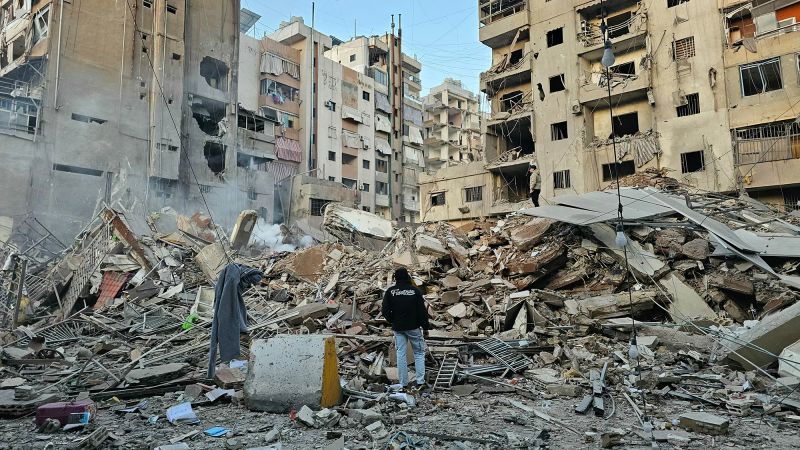
“The abolition of weapons in the Gaza Strip…is the only way to make reconstruction possible,” he said.
Additionally, Mladenov said the framework includes “a pathway for individuals currently belonging to armed groups to return to civilian life with dignity through structured amnesty measures and reintegration programs.”
However, he did not say when this would happen.
“I will not go into the details of the operation of the schedule or the status of consultations with the parties. An agreement on the implementation of the framework requires space, and I ask everyone to respect that space,” Mladenov said.
