

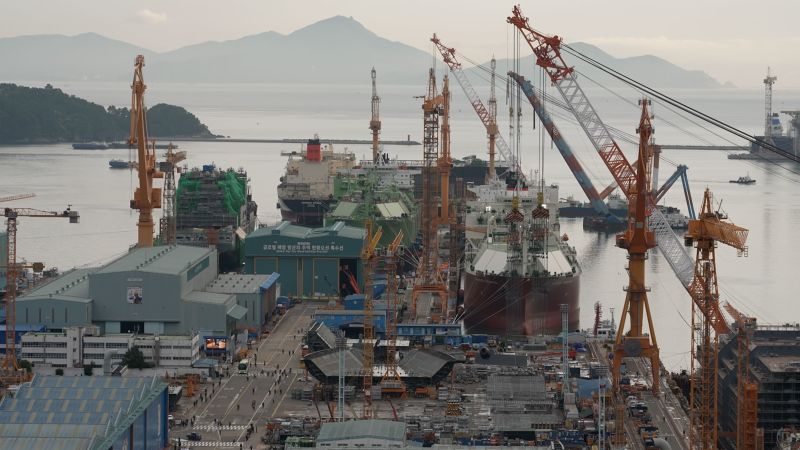
Geoje City, South Korea
—
US President Donald Trump wants to “make American shipbuilding great again.” And leaders at two South Korean shipyards say they would do just that if given the chance.
Shipyards run by HD Hyundai Heavy Industries in Ulsan and Hanwha Ocean in Geoje already produce some of the world’s top warships for the South Korean Navy. on time. And within budget.
Officials at both facilities have emphasized their readiness to share the technology and know-how needed to build guided missile destroyers, frigates and submarines with the U.S. Navy, which is facing a shipbuilding crisis to keep up with China’s ever-expanding fleet.
Government officials have made clear the scale of the problem.
“All of our plans are messed up,” US Secretary of the Navy John Phelan told a US House of Representatives hearing in June.
“I think our best plan is six months late and 57 percent over budget…that’s the best plan,” Phelan testified.
Phelan’s comments may come as a shock to some, but it’s not a big secret.
The U.S. shipbuilding program has been chronically behind schedule and over budget for years.
All the while, one of Washington’s closest Pacific allies continues to advance.
When CNN visited Hyundai Shipyard and Hanwha Shipyard last month, officials explained how South Korea has become a shipbuilding powerhouse that produces ships quickly and efficiently.
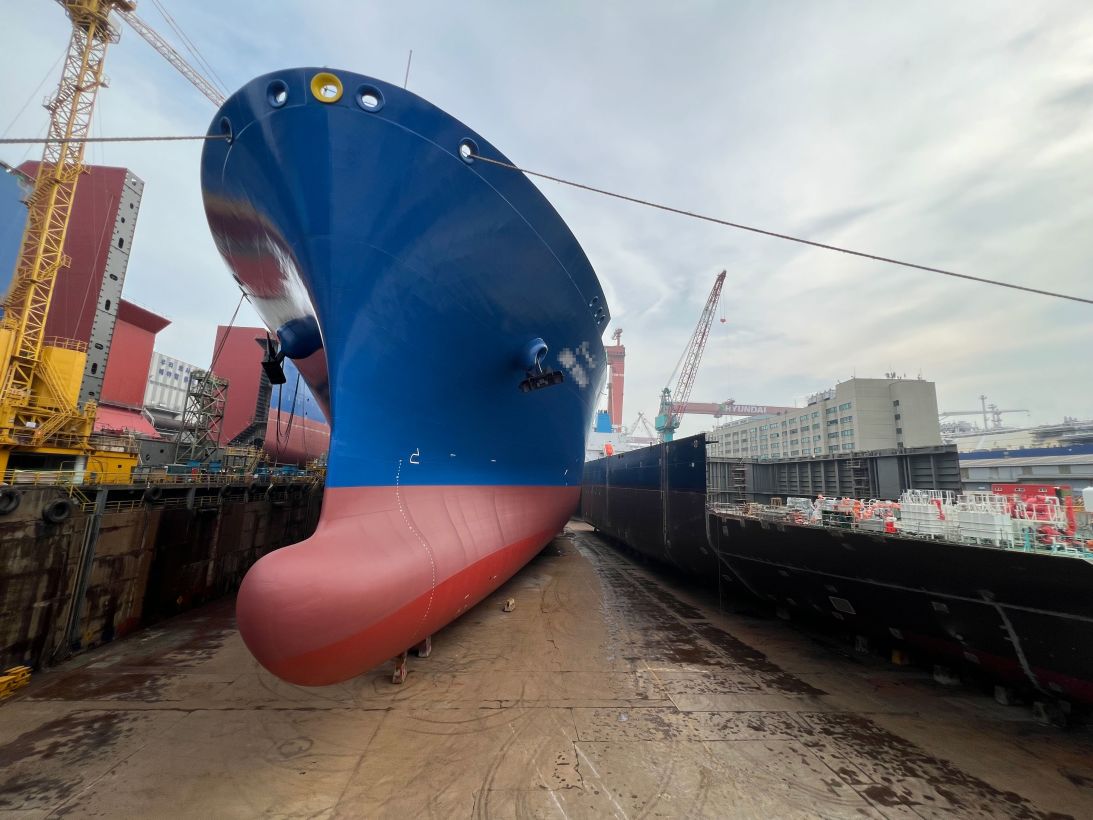
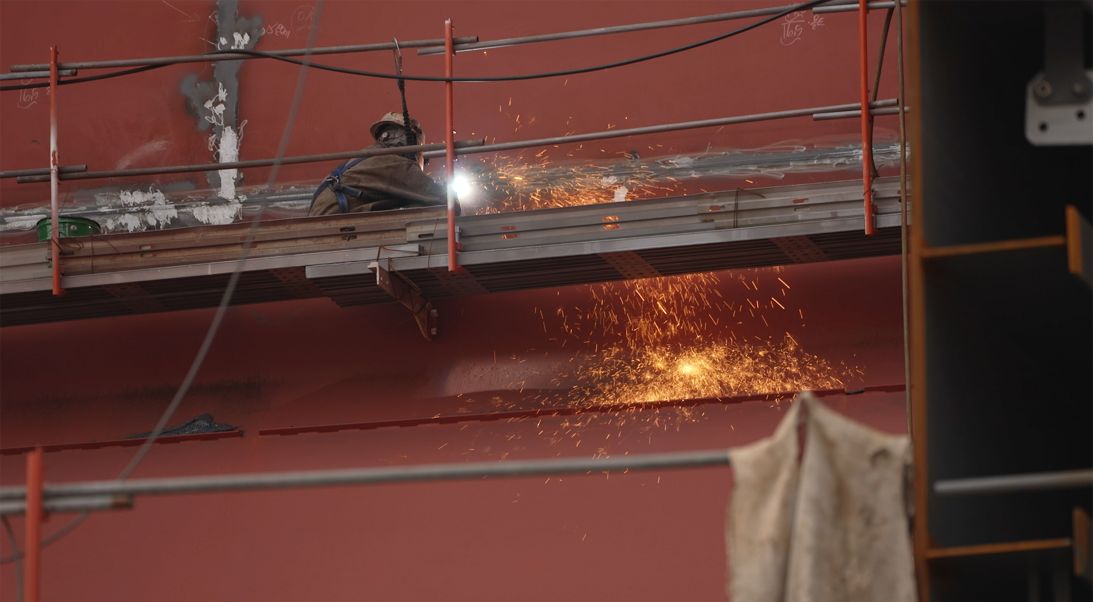
At the Hanwha Shipyard, officials showed CNN a brand-new building built specifically to accommodate the South Korean Navy’s order for four frigates. The huge building where the ship’s hull will be assembled took just 14 months to complete, one source said.
The 122-meter-long, 3,100-ton frigate that will be built there will be formidable, with vertical launch cells for air defense missiles and the ability to fire anti-ship missiles and anti-submarine torpedoes.
Each will take approximately three years to complete. That’s about the same length of delay plaguing the U.S. Constellation-class frigate program, according to a Congressional Inquiry Report that is a prime example of U.S. shipbuilding problems.
The delay was due to the Navy making too many changes to the existing design used by the Italian and French navies, which served as the basis for the class.
Can South Korean shipyards help “make American shipbuilding great again”?
So how can South Korean shipyards make things run so smoothly?
South Korean shipyard leaders say labor and logistics are key.
Lee Jin, vice president of HD Hyundai Heavy Industries Facility in Ulsan, the world’s largest shipyard, says human resources and their years of experience come first. The average length of service for HHI’s 32,000 employees is 16 years.
Sal Mercogliano, a U.S. shipping expert and professor at Campbell University in North Carolina, said a strength lies in the fact that South Korean shipyards move between military and commercial operations.
This allows the company to “keep its core shipbuilding workforce in the shipyard” and switch between military and commercial projects as new business needs require, he said.
Mercogliano said that when the United States was a major shipbuilding power after World War II, it made a big mistake by outsourcing commercial shipbuilding to cheaper countries like South Korea and Japan and concentrating on warships.
During a summit meeting with South Korean President Lee Jae-myung in the Oval Office in August, President Trump said, “We really foolishly gave up on shipbuilding years ago,” and the two leaders reaffirmed the project to “make American shipbuilding great again,” which South Korea first presented during tariff negotiations in July.
Now, shipbuilding knowledge is spreading in the opposite direction across the Pacific Ocean, “which could be a game changer,” Mercogliano said.
And companies are not stagnant. Hanwha officials told CNN that they are continually making adjustments, refinements and improvements to their manufacturing processes.
Karl Schuster, a former U.S. Navy captain, said having a commercial shipyard and a military shipyard together will allow South Korean companies to do just that. He said military shipyards receive inconsistent orders from the Pentagon and won’t invest in new processes that might not be available if Congress cuts funding.
“If you were a company, would you invest $100 million to automate a shipbuilding line and lose jobs when you’re done?” he asks.
And then there’s the supply chain. South Korea is a small country, especially compared to the United States, and much of its heavy industry is located in the south.
The shipyard can source about 90 percent of the parts and materials it needs from within 50 kilometers (31 miles) of the Geoje shipyard on the island at the southern tip of the peninsula, said Chung Yu-soo, general manager of Hanwha Ocean.
The efficiency of Korean shipyards is noteworthy.
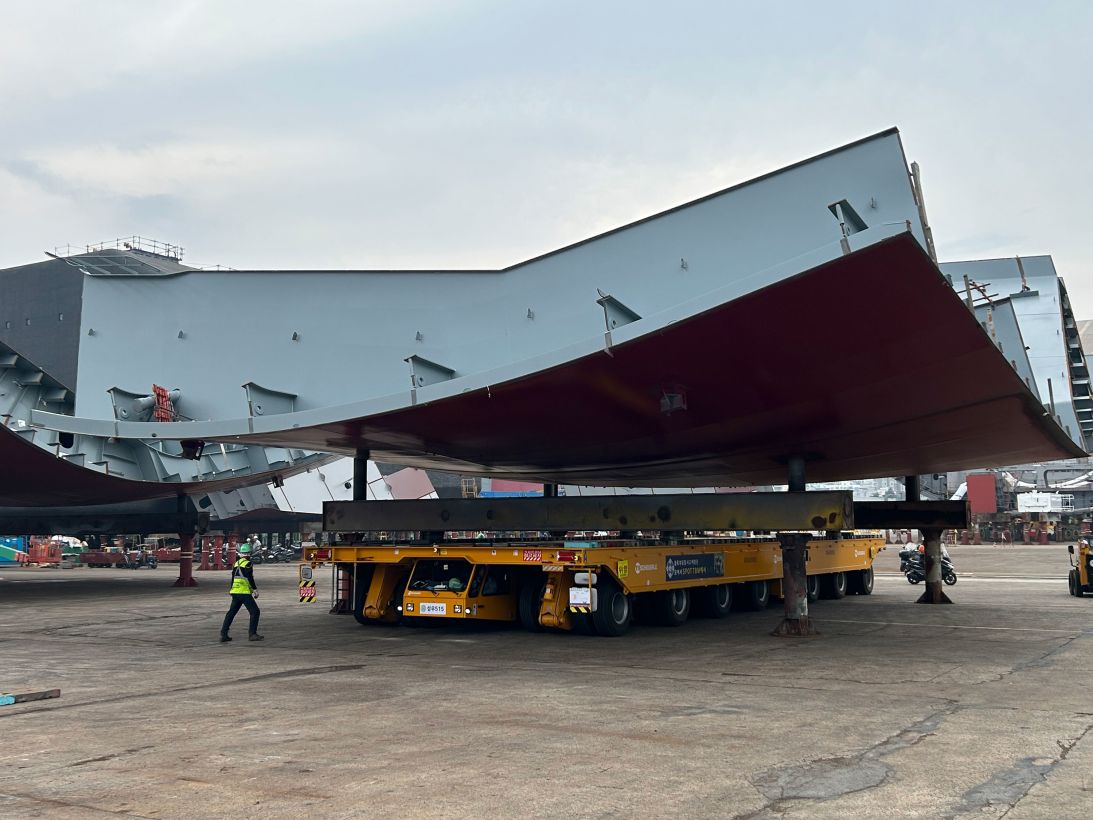
On Wednesday afternoon, in the commercial section of a Hyundai yard, parts of the giant ship moved along the road atop a unique flatbed vehicle, its driver in a cab beneath steel plates. Three bicycle riders wearing yellow vests worked with drivers to report the slab’s location, point out obstacles that could be overcome by hydraulically lifting the slab, and warn other traffic to stay out of the way.
Before and after the steel slabs passed, trucks and scooters entered and exited the assembly building to pick up and receive cargo. Although enthusiastic, safety comes first, as required by signage on campus.
“No job in our company is important enough to hurt you,” one sign reads.
Nearby, a giant overhead crane that rises some 360 feet above the garden and can lift about 1,300 tons moves on tracks, with Beethoven’s “Für Elise” at the beginning warning its movements.
A CNN reporter asked, “Can we replicate this in America, to make American shipbuilding great again?”
Hanwha hopes so. Last year, the company acquired the Philadelphia Shipyard in Pennsylvania, and earlier this year announced it would pour $5 billion into the facility and explore commercial and eventually military operations.
Hyundai also hopes to expand its presence in the United States.
However, U.S. law prohibits the Navy from purchasing foreign-built vessels (even from allies like South Korea) or building its own vessels abroad, due to security concerns and a desire to protect the U.S. shipbuilding industry.
The fallout from a migrant attack on a South Korean battery factory in Georgia has heightened concerns that U.S.-South Korea cooperation could be undermined.
In order for the U.S. Navy to build ships in South Korea, Congress and the Trump administration will need to change these laws and regulations to ensure a smooth visa relationship.
A recent agreement between the United States and Finland, under which four U.S. Coast Guard icebreakers will be built in Finnish shipyards and seven more to be built on U.S. shores, could serve as a template for overseas naval shipbuilding, although different regulations apply to the Navy, which is part of the Department of Defense, and the Coast Guard, which is part of the Department of Homeland Security.
Mercogliano, a professor at Campbell University, said Congress could ease requirements for commercial and naval auxiliary and supply ships to be American-made.
“I think there is great potential to start shipbuilding in South Korea and then move it to the United States,” he says.
But Hanwha’s Chung is aiming even higher.
When asked if he wanted to see American warships being built at the Geoje shipyard, his answer was immediate and clear.
“yes!”
