

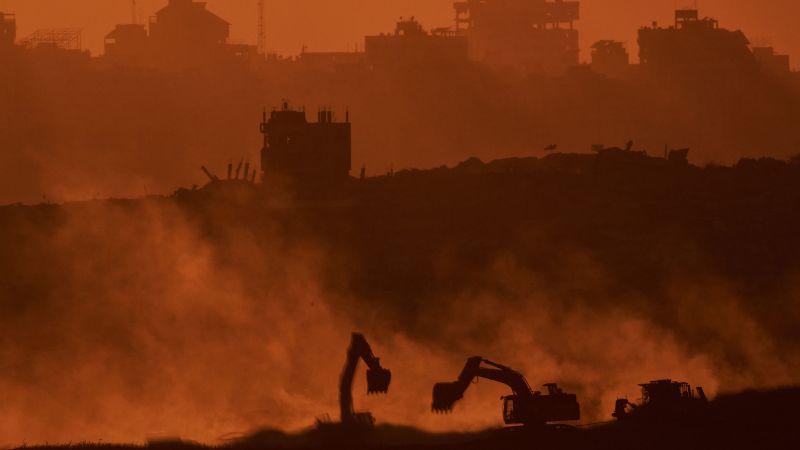
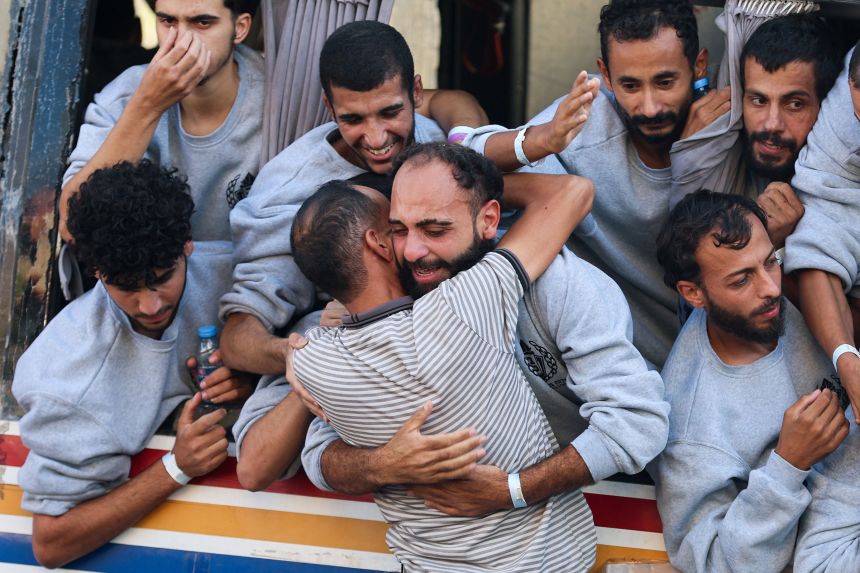
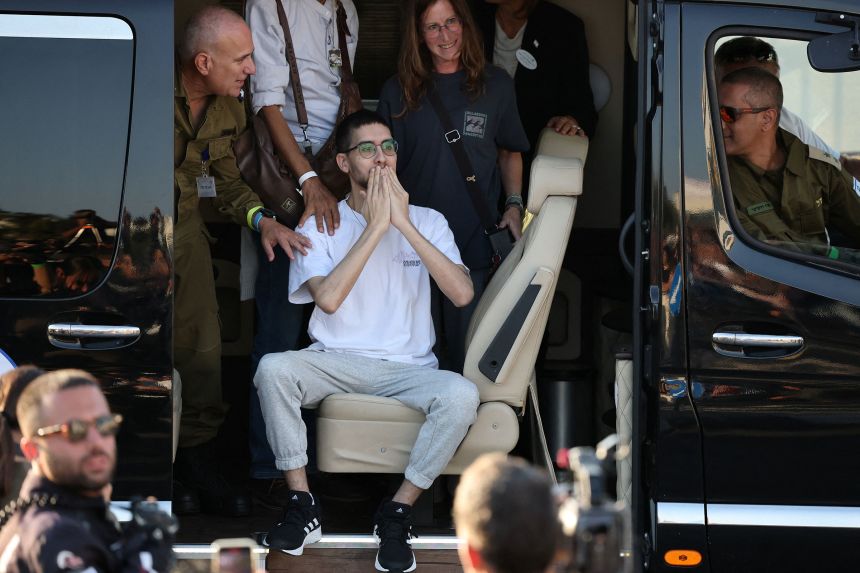
Monday’s release of the last 20 surviving Israeli hostages and about 2,000 Palestinian prisoners and detainees marks a pivotal moment in the Gaza war, but it is unclear whether it signals an end to the conflict.
The plan’s chief architect, U.S. President Donald Trump, visited Israel and Egypt and declared an end to the war at a grand summit of dozens of world leaders, before departing with unanswered questions.
Only the first phase of the plan has been implemented, and so far only a few of the 20 goals of President Trump’s plan have been accomplished. Many of the thorniest questions remain unresolved, including whether Hamas will lay down its arms and who will rule Gaza.
Here’s what we know:
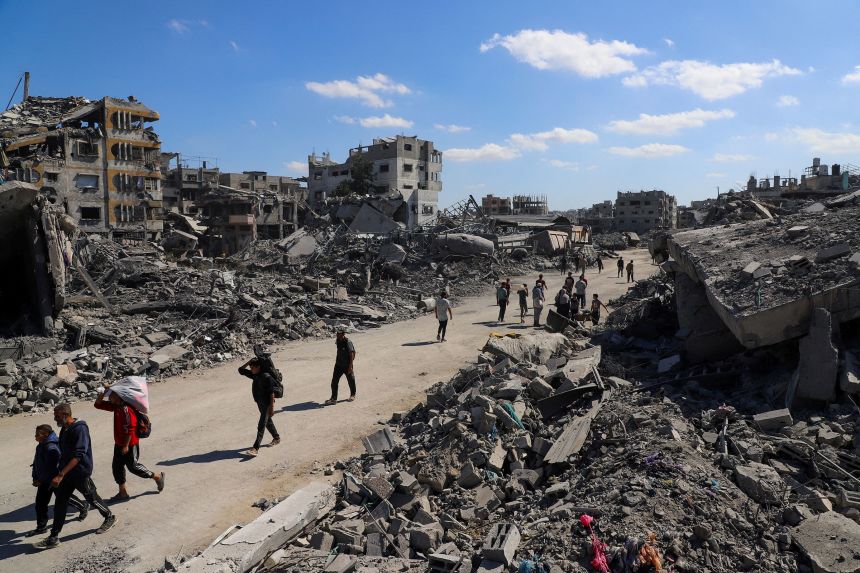
Israeli drones, airstrikes and artillery fire in Gaza ceased this week for the first time in months, but Hamas’ military wing has not targeted Israeli forces in the enclave. This means that fighting in Gaza has actually ceased.
However, Israeli forces still control about half of the Gaza Strip and will only withdraw if Hamas meets further conditions.
Whether that will lead to an end to the war depends on who you ask.
“The war is over,” President Trump declared on a flight to the Middle East to preside over the signing of a cease-fire agreement. The document signed by President Trump and the mediator declared an “end” to the war and the “opening” of a “new chapter.”
But just hours before Trump’s arrival, Israeli Prime Minister Benjamin Netanyahu said that “the military operation is not over” and that the country’s enemies “are trying to recover to attack us again.”
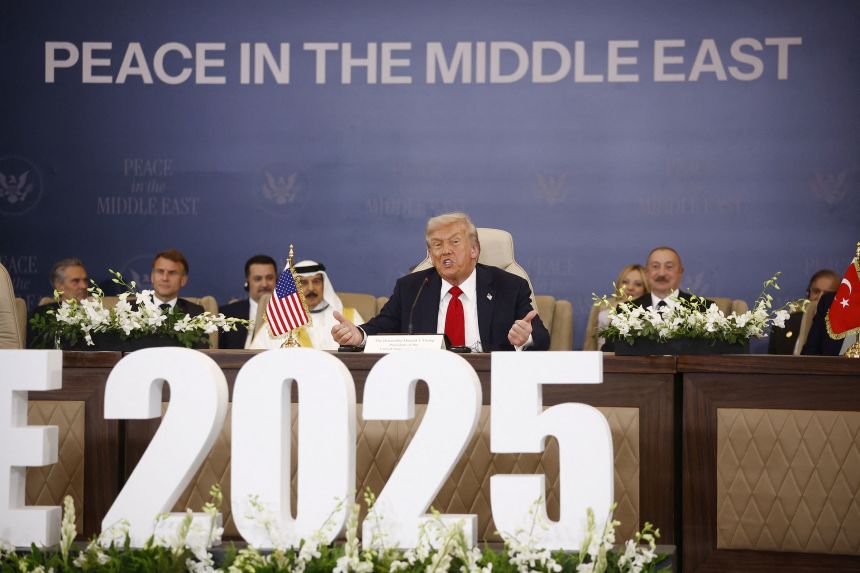
President Trump told reporters on Monday that negotiations for the next phase of the deal have already begun, but he did not say who was mediating or what was being discussed. His planning stages are “a little bit of everything mixed together,” he added.
Regional diplomats and Israeli officials told CNN on Tuesday that a second phase of talks had already begun between technical teams in Sharm el-Sheikh.
Osama Hamdan, a senior Hamas official, said last week that the second phase of negotiations would focus on governance of Gaza, where a Palestinian technocratic administration runs the enclave.
Under Trump’s plan, Palestinian groups would be supervised by an international body called the Peace Commission, which would be chaired by the US president, including former British Prime Minister Tony Blair, whose role in the 2003 Iraq War caused controversy in the Middle East, and “other members and heads of state to be announced.”
Hamas welcomes Arab and Islamic support, but has signaled it may reject international institutions governing Gaza.
“It would be easy if we left it to the Palestinians (for the second phase of negotiations), but it would be difficult if the Israelis decided to intervene in the Palestinian issue,” he said.
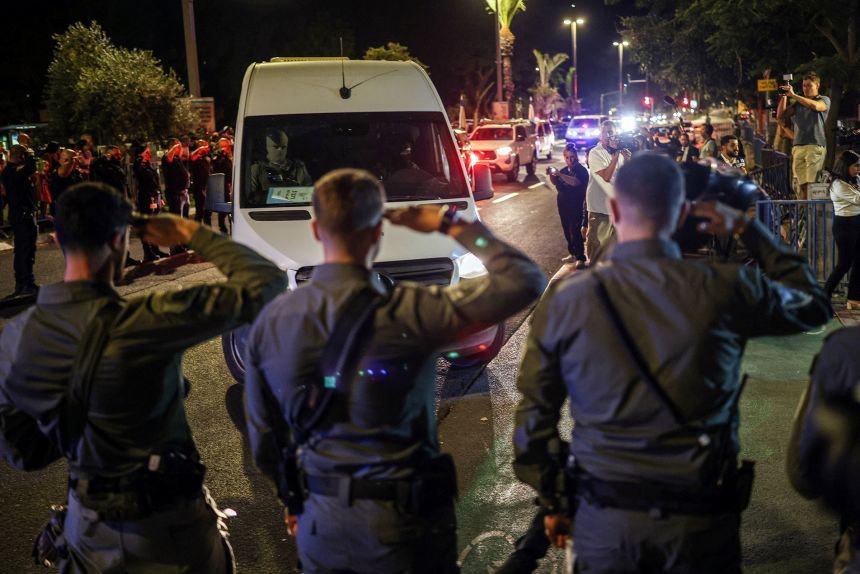
Hamas claims it is ready to hand over control of Gaza, but has avoided questions related to Israel’s main demand for disarmament.
Since the ceasefire took effect, armed members of the group have already redeployed to parts of the district and are clashing with other groups and clans opposed to the ceasefire.
President Trump told world leaders in Sharm el-Sheikh that Gaza must be “demilitarized” and a new civilian police force created to begin recovery. According to the agreement, Hamas also agreed to destroy all “military, terrorist, and offensive infrastructure, including tunnels and weapons production facilities.”
The International Stabilization Force (ISF) is expected to be deployed to Gaza once Israel withdraws, but major participants are already calling for clarity.
Egypt, which is expected to play a major role in the force, wants the UN Security Council to approve a mission to “legitimize” Egypt’s presence in the strip so that it is not considered an “occupying power,” Egypt’s foreign minister told CNN.
Israeli forces have withdrawn just a few kilometers (miles) from their positions and still control half of the enclave. Further withdrawals are likely only if multinational forces are deployed to Gaza.
Israel had committed to a gradual withdrawal from the Gaza Strip, accepting President Trump’s plan that it would not “occupy or annex Gaza,” but Israeli officials have warned that the withdrawal process is conditional on Hamas fulfilling its obligations, including disarming and demilitarizing the enclave.
Far-right members of Prime Minister Benjamin Netanyahu’s ruling coalition, whose support is essential to staying in power, have fiercely opposed a withdrawal from Gaza, having previously called for Palestinians to be encouraged to leave so they can establish Jewish settlements there.
Perhaps one of the most vexing issues to ending the conflict once and for all remains the establishment of a Palestinian state.
A number of complex issues are hampering the process, including Israel’s opposition to a Palestinian state, the expansion of Jewish settlements in the West Bank, the ongoing conflict in Gaza, and an aging and corrupt Palestinian leadership that the United States and other Arab states say needs reform.
More than 150 countries have recognized a Palestinian state, with Britain, France, Canada and Australia joining the group last month. In recent weeks, the Trump administration has harshly criticized allies for recognizing Palestinian statehood.
Remarkably, however, President Trump’s Gaza plan acknowledges the Palestinians’ “desire” to establish a state, but does not say whether the United States would recognize such a state.
President Trump has shown other signs of flexibility recently. Palestinian Authority President Mahmoud Abbas shook hands with President Trump in Sharm el-Sheikh, just weeks after the United States canceled his visa to attend the United Nations General Assembly.
Upon leaving Egypt, President Trump did not rule out supporting a Palestinian state.
“I’m not talking about a single nation or a dual nation or two nations, I’m talking about rebuilding Gaza,” Trump told reporters on his flight home.
“Many people prefer a one-state solution, but some people prefer a two-state solution. We need to figure it out,” he said. “I’m not commenting on that.”
